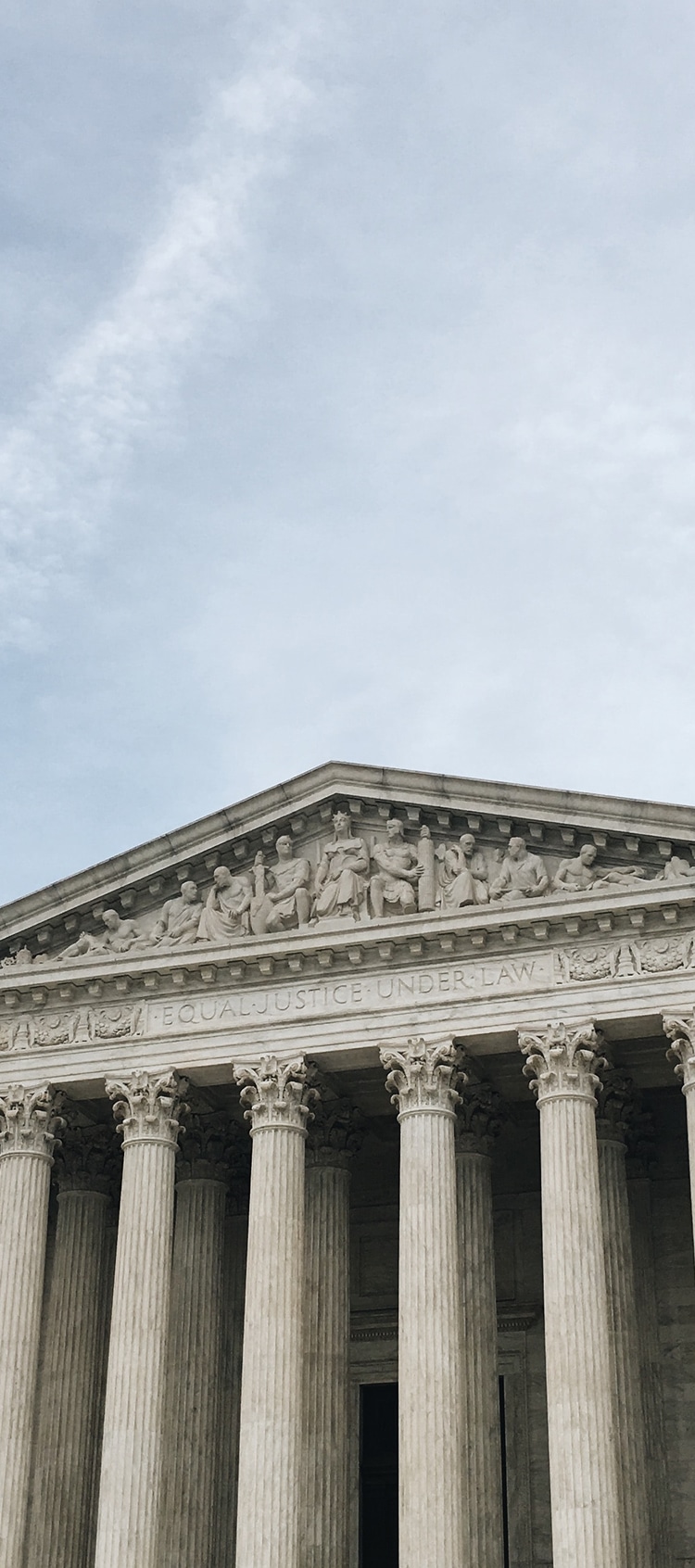
workers at a job site The facade of a classical government building with tall columns and a sculpted pediment. The phrase “EQUAL JUSTICE UNDER LAW” is inscribed above the entrance. The sky is lightly clouded above.

St. Louis Workplace Accident Attorney Fighting for Injured Workers

When a workplace accident disrupts your life, the physical pain often pales in comparison to the mounting medical bills, lost wages, and uncertainty about your future ability to provide for your family. You’re dealing with insurance adjusters who seem more interested in protecting their bottom line than ensuring you receive proper medical care, and your employer may be pressuring you to return to work before you’re ready.


$5B+
Won In Negotiated Settlements
Top 1%
Trial Lawyers In The USA
1200+
5-Star Reviews Nationwide

Case Evaluation

Tell us about your situation to see if you have a case.

    This site is protected by reCAPTCHA and the Google Privacy Policy and Terms of Service apply.

    Let Us Make Your Case, Our Cause

    At OnderLaw, we understand these overwhelming pressures because we’ve helped thousands of injured workers navigate this difficult journey, and we’re ready to explore every legal avenue—from workers’ compensation to third-party liability claims—to secure the compensation you deserve. Call us today at (314) 408-6136 for a free consultation with no upfront costs, because you shouldn’t have to choose between your health and your financial stability.

    As a leading workplace accident lawyer serving St. Louis and surrounding Missouri communities, OnderLaw brings a comprehensive approach that goes beyond traditional workers’ compensation claims. According to the Missouri Department of Labor (2024 preliminary data), there were 89,335 workplace injuries reported across the state, demonstrating the widespread nature of this crisis that affects families in every industry from construction sites to office buildings. Our attorneys understand that while workers’ compensation provides important benefits, it may not fully address your losses, which is why we investigate potential third-party claims against equipment manufacturers, property owners, contractors, and other parties whose negligence contributed to your injury. This multi-faceted approach, combined with our contingency fee structure that means you pay nothing unless we win, ensures that every injured worker can access the legal representation they need regardless of their financial situation.


    James Onder Attorney OnderLaw | Photo Jim Onder

    Onder Wins

    OnderLaw’s track record of recovering over $5 billion in negotiated settlements for injured clients reflects our commitment to taking on causes, not just cases, and fighting for maximum compensation through every available legal avenue.

    • $5+ Billion In Negotiated Settlements
    • $300M+ In Jury Verdicts
    • Voted Best Law Firm In St. Louis 
    Personal Injury Case Consultation

    “Every case is an opportunity to protect someone else’s family from tragedy”

    Attorney Jim Onder in Downtown St. Louis in front of the courthouse
    Jim Onder
    Founder & Managing Partner

    Understanding Personal Injury Law in Missouri

    Navigating the legal landscape after a car accident requires understanding how Missouri’s unique framework differs from neighboring states, particularly when determining fault and potential compensation.

    The distinctions between Missouri and Illinois law can dramatically impact your case’s value, making it crucial to work with attorneys who understand both jurisdictions and can maximize your recovery regardless of where your accident occurred.

    Workers' Compensation & Exclusive Remedy

    The Missouri Workers’ Compensation Act, codified in Chapter 287 of the Missouri Revised Statutes, establishes what’s known as the “exclusive remedy doctrine” under RSMo §287.120, which generally prevents employees from suing their employers directly when the employer carries workers’ compensation insurance. However, this limitation comes with important exceptions that skilled attorneys can help you identify, including situations involving intentional harm by the employer, injuries caused by third parties like equipment manufacturers or subcontractors, and cases where employers fail to maintain the legally required insurance coverage for businesses with five or more employees.

    Workers' Comp vs. Personal Injury Damages

     Workers’ compensation provides medical treatment, temporary disability benefits calculated at two-thirds of your average weekly wage, permanent disability awards based on statutory schedules, and vocational rehabilitation services without requiring proof of employer fault. In contrast, third-party personal injury claims—which operate under Missouri’s five-year statute of limitations per RSMo §516.120—may allow recovery of full lost wages, pain and suffering compensation, future medical expenses beyond what workers’ comp covers, and in cases of egregious conduct, punitive damages that require clear and convincing evidence under RSMo §510.261.

    Premises Liability in Workplace Settings

    When your workplace accident occurs on property not owned by your employer—such as a client’s facility, a construction site owned by a developer, or a leased office building with dangerous conditions—the property owner may bear liability for unsafe conditions that contributed to your injury. This intersection of workplace injury law and premises liability creates opportunities for recovery that extend beyond the limitations of workers’ compensation, particularly in cases involving inadequate security, poor maintenance, building code violations, or hidden hazards that property owners failed to address despite actual or constructive knowledge of the danger.

    OnderLaw Recent Case Results

    Our greatest results have been the relationships we’ve forged with clients we’ve helped and the lives they’ve achieved after horrific accidents with the settlements our work brought about.

    Every case is different and handled differently, but we are proud of what we have accomplished on behalf of previous clients. From multi billion dollar mass tort settlements to individual personal injury verdicts, we fight for every penny of compensation our clients deserve.

    Past results do not guarantee future outcomes; every case is different.

    Recent victories creating lasting change across Missouri

    Types of Workplace Accident Cases We Handle

    The diversity of workplace environments in the St. Louis metropolitan area means that our legal team must understand the unique hazards and legal considerations across multiple industries, from manufacturing plants along the Mississippi River to office buildings in Clayton. Our comprehensive approach addresses twelve distinct categories of workplace accidents, each presenting specific challenges and opportunities for recovery beyond stand

    Construction Site Accidents

    Construction workers face some of the highest injury rates in Missouri, with falls from heights, scaffolding collapses, and equipment failures causing devastating injuries that often involve multiple responsible parties beyond the direct employer. When general contractors fail to coordinate safety measures, subcontractors violate OSHA standards, or equipment manufacturers provide defective safety gear, injured workers may pursue third-party claims that could recover damages far exceeding workers’ compensation limits.


    Slip and Fall Workplace Injuries

    Workplace slip and fall accidents caused by wet floors, uneven surfaces, inadequate lighting, or unmarked hazards often implicate property owner liability separate from employer responsibility under workers’ compensation. When these accidents occur in leased spaces, retail environments, or client facilities, our attorneys can pursue premises liability claims against property owners who failed to maintain safe conditions or warn of known dangers.

    Industrial and Factory Accidents

     Manufacturing and industrial facilities present unique dangers from unguarded machinery, chemical exposures, conveyor belt entanglements, and equipment malfunctions that frequently involve product liability claims against equipment manufacturers. When machine guarding failures result from design defects, manufacturing errors, or inadequate warnings, injured workers may be able to pursue product liability actions that operate independently of workers’ compensation claims.

    Office and Retail Worker Injuries

    Office and retail environments may seem safer than construction sites or factories, but repetitive stress injuries, ergonomic failures, customer-caused injuries, and workplace violence create significant risks that often involve third-party liability. When office workers suffer injuries from defective chairs, improperly maintained elevators, or slip and fall accidents in common areas, property owners and product manufacturers may bear liability beyond employer workers’ compensation coverage.

    Warehouse and Distribution Center Accidents

    The explosive growth of e-commerce has created thousands of warehouse jobs in the St. Louis region, but facilities operated by Amazon, FedEx, UPS, and other logistics companies present serious hazards from forklift accidents, loading dock injuries, and repetitive motion disorders. When warehouse workers suffer injuries from improperly stacked inventory, defective material handling equipment, or unsafe loading dock conditions, multiple parties including property owners, equipment lessors, and third-party logistics companies may share liability.

    Transportation and Delivery Driver Accidents

    Commercial drivers, delivery personnel, and workers who drive as part of their job duties face unique risks that often involve complex insurance coverage issues and multiple potentially liable parties. When delivery drivers suffer injuries in vehicle accidents, loading incidents, or dog attacks while making deliveries, the interplay between workers’ compensation, commercial auto insurance, and third-party liability claims requires careful analysis.

    Healthcare Worker Injuries

    Healthcare workers experiencing record rates of workplace injuries from patient handling, needle sticks, workplace violence, and exposure to infectious diseases often work in facilities where multiple entities share responsibility for safety. When nurses, orderlies, and other healthcare workers suffer injuries in leased medical facilities, landlord responsibility for maintaining safe premises may identify property owner liability for inadequate security, poor maintenance, or building code violations.

    Restaurant and Hospitality Worker Accidents

    Restaurant and hospitality workers face numerous hazards from burns, cuts, slip and fall accidents on wet kitchen floors, and injuries from defective kitchen equipment that frequently involve third-party liability beyond employer workers’ compensation coverage. When restaurant workers suffer injuries from defective cooking equipment, improperly maintained walk-in coolers, or slip and fall accidents caused by third-party vendor spills, premises liability expertise can identify additional sources of compensation.

    Toxic Exposure and Occupational Diseases

    Workers exposed to asbestos, chemicals, mold, and other toxic substances often face long-latency diseases that may not manifest until years after exposure, creating unique challenges in identifying responsible parties and preserving claims. When building owners knowingly allow asbestos-containing materials to deteriorate, chemical suppliers fail to provide adequate warnings, or property managers ignore mold infestations, injured workers may have claims that extend beyond workers’ compensation time limits.

    Workplace Violence and Assault

    Workplace violence incidents, whether perpetrated by coworkers, customers, or third parties, raise important questions about employer and property owner obligations to provide safe work environments through adequate security measures. When security failures, inadequate lighting, broken locks, or ignored threats contribute to workplace assaults, negligent security expertise becomes essential in pursuing claims against property owners and security companies who failed to implement reasonable protective measures.

    Equipment and Machinery Accidents

    Defective equipment and machinery accidents often present the clearest path to third-party recovery through product liability claims against manufacturers, distributors, and maintenance companies responsible for dangerous conditions. When workers suffer injuries from equipment failures, inadequate safety devices, or improper maintenance by third-party contractors, these claims may proceed simultaneously with workers’ compensation benefits to achieve full compensation.

    Falls from Heights

    Falls from ladders, roofs, scaffolds, and elevated work platforms remain among the most severe workplace accidents, often involving multiple defendants including property owners, general contractors, and equipment suppliers who failed to provide adequate fall protection. When fall protection failures result from defective equipment, inadequate training by third-party safety consultants, or property owner negligence in maintaining safe structures, injured workers may be able to recover damages far exceeding workers’ compensation limits.

    Led by Attorneys Who Believe in Causes,
    Not Just Cases

    Our Personal Injury Attorneys have decades of experience transforming personal tragedies into wins for our clients.

    Who Can Be Held Liable Beyond Your Employer

    While workers’ compensation limits claims against your direct employer, third-party liability claims allow you to pursue additional compensation from other negligent parties who contributed to your injury.

    Equipment Manufacturers

     When equipment failures, inadequate safety devices, or design defects cause workplace injuries, manufacturers may be held liable through product liability claims that operate independently of workers’ compensation.

    Property Owners

    Property owners who fail to maintain safe conditions, provide adequate security, or address known hazards may bear premises liability for workplace injuries occurring on their property.

    General Contractors

     On multi-employer worksites, general contractors who fail to coordinate safety measures or enforce OSHA standards may share liability for injuries to subcontractor employees.

    Subcontractors

     Subcontractors whose negligence creates hazardous conditions affecting workers from other companies may be liable for injuries beyond workers’ compensation exclusivity.

    Chemical Suppliers

     Suppliers who fail to provide adequate warnings about toxic substances or deliver contaminated materials may face product liability claims for resulting occupational diseases.

    Third-Party Logistics Companies

     In warehouse and distribution settings, third-party logistics companies may share liability when their negligence contributes to worker injuries alongside staffing agencies and property owners.

    The Legal Process for Workplace Accident Cases

    Navigating the legal process after a workplace accident requires strategic coordination between workers’ compensation proceedings and potential third-party claims, with each path following distinct procedures and timelines that demand careful management to maximize your recovery.

    1. Initial Consultation & Evidence Preservation

      The initial consultation with our firm involves comprehensive case evaluation to identify all potential claims, preserve critical evidence before it disappears, and ensure compliance with strict notice requirements that could otherwise bar recovery. During this crucial early phase, your legal team will gather witness statements while memories remain fresh, photograph accident scenes before conditions change, obtain surveillance footage before automatic deletion, and secure equipment for expert examination before repairs or disposal eliminate crucial evidence.

    2. Investigation & Liable Party Identification

      The investigation phase extends beyond simple fact-gathering to include detailed analysis of employment relationships, insurance coverage, property ownership records, and regulatory compliance that may reveal additional liable parties. Your legal team will review OSHA inspection records for patterns of violations, examine property maintenance logs for evidence of known hazards, analyze equipment service records for maintenance failures, and investigate prior similar incidents that demonstrate notice of dangerous conditions.

    3. Workers' Compensation Proceedings

      Workers’ compensation cases follow streamlined administrative procedures with informal discovery, medical evaluations by court-appointed physicians, and hearings focused on medical evidence and wage calculations without jury involvement. This provides immediate medical care and wage replacement while positioning your case for maximum recovery through parallel third-party claims.

    4. Third-Party Civil Litigation

      Third-party personal injury claims proceed through formal civil litigation including written discovery, depositions of witnesses and experts, motion practice on legal issues, and potential jury trials where compelling evidence of negligence may result in substantial verdicts for injured workers.

    5. Strategic Coordination & Settlement

      The strategic coordination of multiple claims requires careful timing to maximize recovery while avoiding potential conflicts between workers’ compensation subrogation rights and third-party settlements. Your attorney must navigate the employer’s subrogation lien under RSMo §287.150, which entitles the workers’ compensation carrier to reimbursement from third-party recoveries, while protecting your interests through proper allocation of settlements.

    STATUTE OF LIMITATIONS & KEY DEADLINES

    Workers' Compensation Filing Deadline

    Missouri workers’ compensation claims must be filed within two years of the injury or last payment of benefits under RSMo §287.430, though this extends to three years if your employer failed to file required reports with the Division of Workers’ Compensation. Missing these deadlines could permanently bar your right to compensation.

    Third-Party Personal Injury Claims

    Third-party personal injury claims have a five-year statute of limitations under RSMo §516.120, while Illinois has different deadlines if your accident occurred across the river, making immediate consultation with an attorney essential to preserve all potential claims.

    Injury Reporting Requirements

    According to Missouri law (RSMo §287.420), you must report your injury within 30 days, but sooner is always better for your claim because delays can lead to disputes about whether the injury occurred at work, allow evidence to disappear, and give insurance companies ammunition to argue your injury isn’t serious.

    Toxic Exposure & Occupational Disease Claims

    Workers exposed to asbestos, chemicals, mold, and other toxic substances often face long-latency diseases that may not manifest until years after exposure, creating unique challenges in identifying responsible parties and preserving claims. Injured workers may have claims that extend beyond workers’ compensation time limits when building owners or chemical suppliers bear responsibility.

    Compensation in Workplace Accident Cases

    Workers' Compensation Benefits

    • Medical expenses for all reasonable and necessary treatment related to your work injury
    • Temporary total disability payments at two-thirds of your average weekly wage subject to statutory maximums
    • Permanent partial disability awards based on scheduled loss percentages for specific body parts
    • Vocational rehabilitation services when you cannot return to your previous occupation
    • Death benefits for surviving family members including burial expenses up to $5,000

    Third-Party Personal Injury Damages

    • Full lost wages rather than the two-thirds limitation of workers’ comp
    • Compensation for past and future pain and suffering that acknowledges the human cost of your injuries
    • Loss of enjoyment of life when injuries prevent participation in activities you once loved
    • Future medical expenses beyond what workers’ compensation may approve
    • Loss of earning capacity when injuries permanently reduce your ability to work
    • In cases involving egregious conduct, punitive damages under RSMo §510.261 upon clear and convincing evidence of intentional harm or conscious disregard for worker safety

    Factors Affecting Case Value

    Medical expenses encompass not just current treatment but projected future surgeries, rehabilitation, medications, medical equipment, home modifications for disabilities, and attendant care that may extend for decades in cases of permanent injury. Lost earning capacity calculations performed by vocational experts and economists consider your age, education, work history, transferable skills, labor market conditions, and the difference between pre-injury and post-injury earning potential over your expected work life.

    What Our Clients Say

    I highly recommend Mr. Onder. He is an excellent attorney and addresses client issues and concerns in a fast and efficient manner, answers any questions we have, and keeps us informed about the progress of our case.

    Bill

    The firm was very willing to hear my problems and discuss with me even though I was not qualified for a case. Their staff spent about 30 minutes with me discussing records and diagnosis and I appreciate them trying to help me.

    Andy

    I was in a bad car accident where I was hit, and my car flipped and almost crushed and calling Jim Onder was the BEST DECISION I made to help me get what I deserved (it was the other cars fault and witnesses will say it also) for everything that I went through. Beside all my physical pain I was having a hard time dealing with things after the accident and the insurance company and I missed lots of work. I don't know how I would have dealt with it...

    Karly

    I have known Jim Onder and his team for a few years now. I have always been impressed by the way they take care of their clients. It's not always about the case, but the individual. I would recommend anyone seeking legal counsel to give Jim and his team a call.

    John

    I don't have enough words to describe how amazing the experience with this firm was. They work very hard to make sure you have winning results. I could not have asked for better services. From the moment I first called until my case was over, I was at ease that I had made the right choice.

    Mike

    Why Choose OnderLaw for Your Truck Accident Case  

    Our extensive experience handling every type of workplace accident—from construction site catastrophes to office slip and falls—means we understand the unique challenges and opportunities each case presents. We have successfully pursued claims against Fortune 500 companies, equipment manufacturers, property management companies, and government entities, demonstrating that no defendant is too large or powerful when workers’ rights are at stake. Our premises liability expertise proves particularly valuable in workplace accident cases, as we recognize how property owner negligence often contributes to workplace injuries through inadequate maintenance, security failures, or building code violations that other attorneys might miss.

    The financial burden of pursuing complex workplace accident claims shouldn’t prevent injured workers from seeking justice, which is why OnderLaw operates on a contingency fee basis with no upfront costs or fees unless we successfully recover compensation for you. We advance all case expenses including expert witnesses, court costs, investigation fees, and medical record acquisition, eliminating financial barriers that might otherwise force you to accept inadequate settlements. Our 24/7 availability ensures you can reach us when you need us most, whether immediately after an accident, during a hospital stay, or when insurance companies pressure you for statements outside business hours.

    $5B+
    In Negotiated Settlements
    $500M+
    In Jury Verdicts
    Attorney Jim Onder in Downtown St. Louis in front of the courthouse

    Take Action Today—Your Recovery Can’t Wait

    The path forward after a workplace accident may seem overwhelming, but you don’t have to navigate this journey alone when experienced legal advocates stand ready to fight for your rights and recovery. Every day you delay seeking legal representation potentially weakens your case as evidence disappears, witnesses forget crucial details, and insurance companies build defenses designed to minimize or deny your rightful compensation. Our contingency fee structure means you pay nothing unless we successfully recover compensation, eliminating financial barriers that might otherwise prevent you from pursuing the full value of your claim.


    24/7
    Call Us Anytime
    $0
    Zero Upfront Costs

    Contact Our Attorneys Now

    Our free consultation helps you understand your rights and options.

      This site is protected by reCAPTCHA and the Google Privacy Policy and Terms of Service apply.

      Frequently Asked Questions

      What should I do immediately after a workplace accident in St. Louis?

      Report the injury to your supervisor immediately, seek medical attention even for minor injuries, document everything with photos and witness information, and contact an attorney before giving recorded statements. According to Missouri law (RSMo §287.420), you must report your injury within 30 days, but sooner is always better for your claim because delays can lead to disputes about whether the injury occurred at work, allow evidence to disappear, and give insurance companies ammunition to argue your injury isn’t serious. Your health and safety come first, which also helps document the incident properly for any future claims you may need to pursue.

      Can I sue my employer for a workplace accident in Missouri?

      Generally, workers’ compensation is your exclusive remedy against your employer in Missouri when they carry the required insurance coverage, as established under RSMo §287.120. However, you may have claims against third parties like equipment manufacturers, property owners, or contractors whose negligence contributed to your injury, and additionally, intentional harm or gross negligence by employers may create exceptions to workers’ compensation exclusivity that allow direct lawsuits. Understanding these distinctions requires careful legal analysis of your specific situation and the circumstances surrounding your injury.

      How long do I have to file a workplace accident claim in St. Louis?

      Missouri workers’ compensation claims must be filed within two years of the injury or last payment of benefits under RSMo §287.430, though this extends to three years if your employer failed to file required reports with the Division of Workers’ Compensation. Third-party personal injury claims have a five-year statute of limitations under RSMo §516.120, while Illinois has different deadlines if your accident occurred across the river, making immediate consultation with an attorney essential to preserve all potential claims. Missing these deadlines could permanently bar your right to compensation, regardless of how strong your case might be.

      What if my employer doesn't have workers' compensation insurance?

       Missouri law requires employers with five or more employees to carry workers’ compensation insurance, and construction employers must have coverage regardless of employee count. If your employer lacks required coverage, you may be able to file a personal injury lawsuit directly against them without the limitations of workers’ compensation exclusivity, and the state’s Second Injury Fund may also provide benefits in certain situations involving uninsured employers. This violation of Missouri law opens additional legal avenues that could result in more comprehensive compensation for your injuries.

      Can I be fired for filing a workplace accident claim?

      Missouri law under RSMo §287.780 explicitly prohibits employer retaliation for filing workers’ compensation claims, pursuing benefits, or testifying in proceedings related to workplace injuries. If you’re terminated, demoted, or harassed for pursuing benefits, you may have additional claims for wrongful termination or discrimination that could result in reinstatement, back pay, and additional damages for emotional distress caused by illegal retaliation. Documenting any changes in your employment status or treatment after filing a claim becomes crucial evidence in protecting your rights.


      What compensation can I receive for a workplace accident?

       Through workers’ compensation, you may receive medical expenses for all reasonable and necessary treatment, temporary disability benefits at two-thirds of your average weekly wage, permanent disability awards based on statutory schedules, vocational rehabilitation services, and death benefits for surviving family members. Through third-party claims against negligent parties other than your employer, you may be able to recover pain and suffering compensation, full lost wages rather than two-thirds, future medical costs beyond workers’ comp coverage, loss of earning capacity, and in cases of egregious conduct, punitive damages that punish defendants for conscious disregard of worker safety. The total compensation available depends on the specific circumstances of your case and the parties involved in causing your injury.

      Do I need a lawyer for a workplace accident case?

      While not legally required, attorneys significantly increase compensation amounts by identifying all sources of recovery, properly valuing claims, negotiating with experienced insurance adjusters, and presenting compelling evidence of damages. Complex cases involving severe injuries, disputed claims, or third-party liability especially benefit from legal representation, as attorneys understand how to coordinate workers’ compensation benefits with third-party claims, navigate subrogation issues, and maximize net recovery while protecting your rights throughout the process. The insurance companies will have their own lawyers working to minimize your compensation, making it important to have experienced advocates on your side.


      What if I was partially at fault for my workplace accident?

      Missouri workers’ compensation operates as a no-fault system, meaning you may receive benefits regardless of fault except in cases of intoxication or deliberate safety violations that directly cause injury. In third-party personal injury claims, Missouri’s pure comparative fault system allows recovery even if you share some responsibility for the accident, though damages may be reduced by your percentage of fault, making skilled legal representation essential to minimize fault attribution and maximize recovery despite any contributory negligence. Most workplace accidents involve multiple contributing factors, and experienced attorneys know how to present your case in the most favorable light while countering attempts to shift blame onto you.