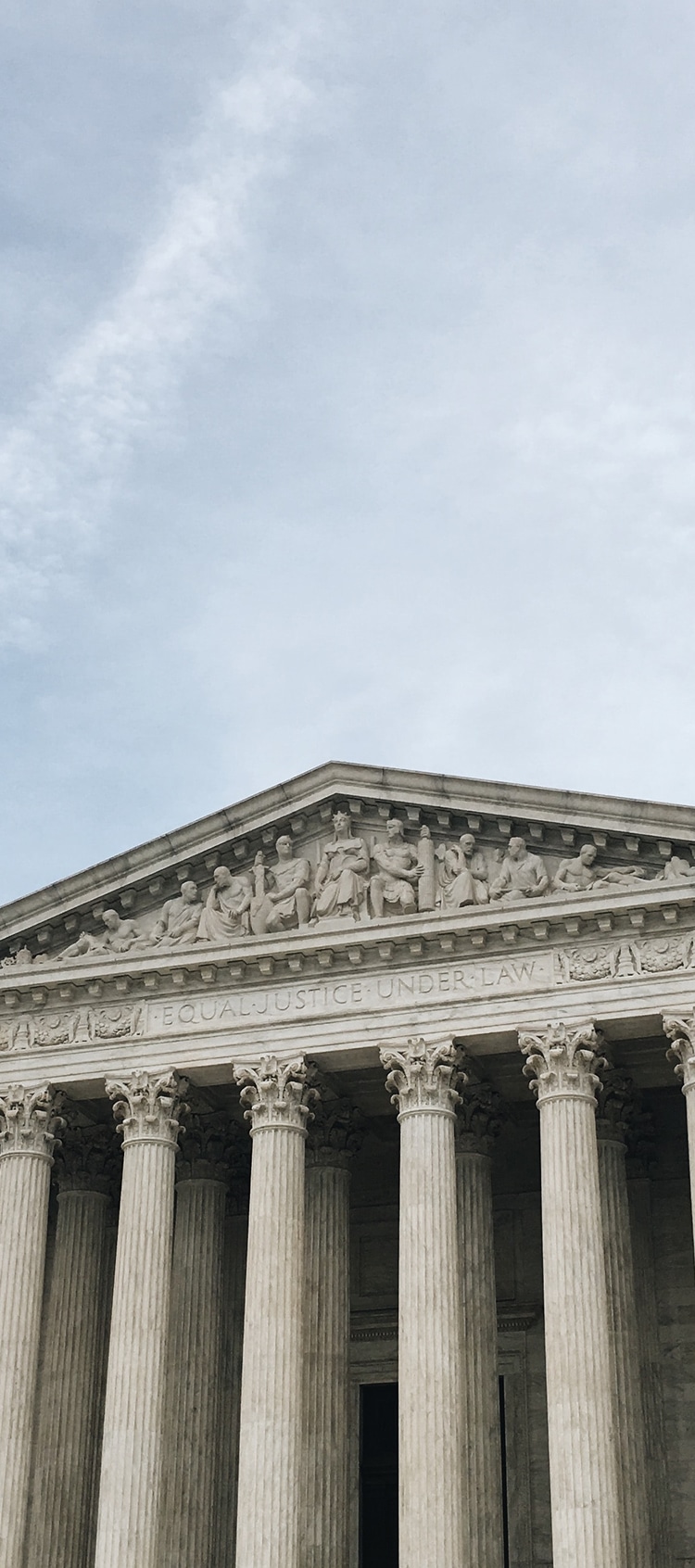
cars on the open road The facade of a classical government building with tall columns and a sculpted pediment. The phrase “EQUAL JUSTICE UNDER LAW” is inscribed above the entrance. The sky is lightly clouded above.

Filing a Camp Lejeune Lawsuit: Complete Process Guide

The water you trusted at Camp Lejeune between 1953 and 1987 contained toxic chemicals that may have caused serious health problems for you or your loved ones, and now you’re facing mounting medical bills, time away from work your family can’t afford, and uncertainty about what comes next.

$5B+
Won In Negotiated Settlements
Top 1%
Trial Lawyers In The USA
1200+
5-Star Reviews Nationwide

Case Evaluation

Tell us about your situation to see if you have a case.

    This site is protected by reCAPTCHA and the Google Privacy Policy and Terms of Service apply.

    Let Us Make Your Case, Our Cause

    While nothing can undo the harm caused by decades of exposure to contaminated water at the Marine Corps base, understanding how the lawsuit process works can help you take concrete steps toward securing compensation for medical care and financial stability. Because these cases involve complex federal procedures and strict deadlines, having experienced legal guidance makes a critical difference—our team offers free consultations with no upfront costs to help you understand your options and navigate this journey, so call (314) 408-6136 today to discuss your case with attorneys who have recovered over $5 billion in negotiated settlements for clients nationwide.

    If you’ve already determined you may be eligible for a Camp Lejeune claim through initial screening or the administrative process, this comprehensive guide explains exactly what happens next in pursuing your case. The Camp Lejeune Justice Act created specific procedures that differ significantly from typical personal injury cases, so understanding each step—from gathering crucial evidence to potential trial proceedings—helps you prepare effectively while your legal team handles the complex federal requirements these claims demand.

    James Onder Attorney OnderLaw | Photo Jim Onder

    Onder Wins

    Unlike many firms that treat clients like case numbers, we provide direct attorney access throughout your case, ensuring you work with experienced lawyers who understand both the legal complexities and personal challenges you’re facing after a serious collision.

    • $5+ Billion In Negotiated Settlements
    • $300M+ In Jury Verdicts
    • Voted Best Law Firm In St. Louis 
    Personal Injury Case Consultation

    “Every case is an opportunity to protect someone else’s family from tragedy”

    Attorney Jim Onder in Downtown St. Louis in front of the courthouse
    Jim Onder
    Founder & Managing Partner

    Understanding the Camp Lejeune Lawsuit Timeline

    Camp Lejeune lawsuits follow a specific timeline through the federal court system, with multiple factors determining how quickly your case moves from filing to resolution.

    Timeline Expectations

    When you’re dealing with serious health conditions potentially linked to Camp Lejeune’s contaminated water, waiting for compensation feels overwhelming, especially when medical bills keep arriving and your ability to work remains compromised. Understanding the realistic timeline for these cases helps you plan financially and emotionally for the journey ahead, allowing you to make informed decisions about medical treatment and family needs while your case progresses through the federal court system. According to Eastern District of North Carolina case management data from 2024, Camp Lejeune lawsuits typically take 18 to 36 months from filing to resolution, though some cases may resolve faster through settlement negotiations while others requiring trial could extend beyond this timeframe.

    Factors Affecting Your Case

    The timeline for your specific case depends on several interconnected factors that your legal team will evaluate carefully. Cases involving multiple health conditions or those requiring extensive expert testimony to establish causation typically take longer to resolve, while straightforward cases with clear medical documentation and strong exposure evidence may move more quickly through the system. Additionally, the court’s management of these cases through bellwether trials—representative cases selected for early trial to establish patterns for settlement values—affects how quickly individual cases reach resolution, because these test cases provide important guidance for evaluating thousands of similar claims.

    Administrative vs. Lawsuit Timeline

    Your lawsuit timeline differs significantly from the administrative claim process, which requires a mandatory six-month waiting period under federal law (28 U.S.C. § 2675) before you can file suit if the Navy doesn’t respond to your claim. After this administrative phase, the actual lawsuit proceeds through distinct stages: filing the complaint, discovery where both sides exchange evidence, potential mediation or settlement conferences, and possibly trial if settlement negotiations don’t produce fair compensation. Each phase serves a specific purpose in building your case and establishing the compensation you may be entitled to receive for the harm you’ve suffered, so understanding what happens at each stage helps reduce uncertainty during what can feel like a lengthy process.

    OnderLaw Recent Case Results

    Our greatest results have been the relationships we’ve forged with clients we’ve helped and the lives they’ve achieved after horrific accidents with the settlements our work brought about.

    Every case is different and handled differently, but we are proud of what we have accomplished on behalf of previous clients. From multi-billion dollar mass tort settlements to individual personal injury verdicts, we fight for every penny of compensation our clients deserve.

    Past results do not guarantee future outcomes, every case is different*

    Recent victories creating lasting change across Missouri

    Steps in the Camp Lejeune Lawsuit Process

    The Camp Lejeune lawsuit process involves several critical steps, from filing your initial administrative claim through potential trial proceedings.

    Filing Your Administrative Claim

    Before you can file a lawsuit under the Camp Lejeune Justice Act, federal law requires you to first submit an administrative claim to the Department of the Navy, giving the government an opportunity to resolve your case without litigation. This mandatory step, required by 28 U.S.C. § 2675, involves submitting detailed information about your exposure at Camp Lejeune, your medical conditions, and the damages you’ve suffered as a result of the contaminated water exposure. The administrative claim must be filed with the Navy’s Tort Claims Unit, which has established specific procedures for Camp Lejeune cases following the overwhelming response of over 500,000 claims reported by the Department of Navy via Reuters in August 2024. Your claim needs to include proof that you lived, worked, or were otherwise exposed at Camp Lejeune for at least 30 days between August 1, 1953, and December 31, 1987, as required by the Camp Lejeune Justice Act of 2022 (Pub. L. 117-168, §804). During the six-month waiting period after filing your administrative claim, the Navy may offer to settle your case through the Elective Option program or through direct negotiation, potentially avoiding the need for a lawsuit entirely. If the Navy denies your claim or fails to act within six months, you then have 180 days to file your lawsuit in federal court, making it crucial to work with legal counsel who tracks these deadlines carefully and ensures you don’t lose your right to pursue compensation.


     

    Gathering Essential Documentation

    Building a strong Camp Lejeune case requires comprehensive documentation that proves your presence at the base during the contamination period and establishes the connection between your toxic exposure and current health conditions. Because many veterans struggle to locate decades-old military records or medical documentation from their time in service, starting this evidence-gathering process early with experienced legal help ensures you don’t miss critical information that could strengthen your case. Your legal team can assist in obtaining records through proper channels, including the National Personnel Records Center in St. Louis, which maintains military service records that prove your presence at Camp Lejeune during the relevant timeframe—a local resource that makes the process more accessible for Missouri and Illinois veterans. The most crucial documents for your case include your DD-214 discharge papers or other service records showing your assignment to Camp Lejeune, base housing records if you lived on the installation, and any orders or documentation placing you at the base for at least 30 days during the contamination period from August 1953 through December 1987. Medical records form the foundation of proving causation, requiring both historical documentation of your health during and after service, as well as current medical records showing your diagnosis and treatment for conditions potentially linked to the toxic water exposure.

    Selecting a Camp Lejeune Attorney

    Choosing the right legal representation for your Camp Lejeune case can mean the difference between receiving fair compensation for your suffering and accepting an inadequate settlement that doesn’t cover your ongoing medical needs and losses. Because these cases involve complex federal procedures, specific venue requirements in the Eastern District of North Carolina, and unique aspects of the Camp Lejeune Justice Act, you need counsel with demonstrated experience handling these claims rather than a general personal injury practice. When evaluating potential representation, ask specific questions about experience with Camp Lejeune cases, including how many claims have been filed, familiarity with the Eastern District of North Carolina’s procedures, and the approach to handling the unique challenges these cases present. Understanding fee arrangements is crucial—under federal law (28 U.S.C. § 2678), attorney fees are subject to specific limitations, and most Camp Lejeune attorneys work on contingency, meaning you pay nothing upfront and only pay fees if they recover compensation for your case, removing financial barriers to pursuing justice.

    Filing Your Federal Lawsuit

    After the six-month administrative waiting period expires or your claim is denied, you can file your federal lawsuit in the U.S. District Court for the Eastern District of North Carolina, the exclusive venue for all Camp Lejeune cases as mandated by the Camp Lejeune Justice Act. This formal complaint initiates the litigation process, detailing your exposure at Camp Lejeune, the specific health conditions you’ve developed, and the damages you’re seeking for medical expenses, lost wages, pain and suffering, and other losses caused by the contaminated water. Because the Camp Lejeune Justice Act established a two-year filing window that closed on August 10, 2024, except for cases filed within 180 days of an administrative denial, timing remains critical for preserving your right to compensation if your administrative claim was recently denied. Your complaint must meet specific federal pleading standards, clearly establishing that you meet the 30-day exposure requirement during the covered period from August 1, 1953, through December 31, 1987, and demonstrating how the toxic water caused or contributed to your injuries. The multidistrict litigation (MDL) structure in the Eastern District of North Carolina means your case will be coordinated with thousands of others for pretrial proceedings, allowing for efficient handling of common legal issues while preserving your individual right to prove your specific damages.

    The Discovery Process

    Discovery represents the most intensive phase of your Camp Lejeune lawsuit, where both sides exchange evidence, take testimony, and build their respective cases for trial or settlement negotiations. During this process, which typically lasts 6 to 12 months according to Eastern District of North Carolina case management procedures, you’ll work closely with your legal team to respond to the government’s requests for information while also seeking evidence that supports your claims. The discovery process includes several interconnected components: Document requests seek your medical records, employment history, and military service records, while interrogatories—written questions under oath—ask about your time at Camp Lejeune, your water usage patterns, and your medical treatment history. Ultimately, depositions provide sworn testimony where you explain your experiences and injuries directly, giving you the opportunity to tell your story in detail about how the contaminated water exposure has affected your life, your family, and your future. Expert witnesses play a crucial role during discovery, with medical experts providing opinions about the causation between your toxic exposure and your specific health conditions, while scientific experts may testify about the contamination levels and exposure pathways at Camp Lejeune.

    Settlement Negotiations and Mediation

    Most Camp Lejeune lawsuits will resolve through settlement negotiations rather than proceeding to trial, offering a faster path to compensation while avoiding the uncertainty and emotional toll of a courtroom battle. Settlement discussions typically begin after discovery provides both sides with a clear picture of the evidence, allowing for realistic evaluation of your case’s strengths and potential value based on your specific injuries, medical expenses, and other damages. The settlement process in Camp Lejeune cases often involves mediation, where a neutral third party helps facilitate negotiations between your legal team and government lawyers, working to find common ground that fairly compensates you while resolving the government’s liability. During mediation or settlement conferences, your legal team presents evidence of your damages, including past and future medical expenses, lost wages, diminished earning capacity, and the pain and suffering you’ve endured due to your illness. Several factors influence settlement values in Camp Lejeune cases, including the type and severity of your illness, with certain cancers and serious conditions typically commanding higher settlements than less severe injuries according to early case resolution patterns.

    Preparing for Trial (If Necessary)

    While most Camp Lejeune cases settle before trial, some proceed to court when settlement offers don’t adequately compensate for the harm suffered or when the government disputes key aspects of liability or causation. The Eastern District of North Carolina has established a bellwether trial program, selecting representative cases for early trials that help establish values and liability patterns for the broader group of Camp Lejeune plaintiffs. As of early 2024, a federal district court ruling determined that Camp Lejeune cases proceed as bench trials before a judge rather than jury trials, though this ruling remains subject to potential appellate review that could change how these cases are tried. During a bench trial, the judge serves as both the legal authority and the finder of fact, evaluating evidence and witness credibility to determine both liability and damages without a jury’s involvement. Trial preparation intensifies in the months before your court date, with your legal team working to organize evidence, prepare witness testimony, and develop compelling arguments that demonstrate how Camp Lejeune’s contaminated water caused your injuries and why you deserve full compensation.

    Led by Attorneys Who Believe in Causes,
    Not Just Cases

    Our Personal Injury Attorneys have decades of experience transforming personal tragedies into wins for our clients.

    Common Challenges in Camp Lejeune Lawsuits

    Camp Lejeune lawsuits face unique challenges that don’t exist in typical personal injury cases, primarily centered on proving causation between decades-old toxic exposure and current health conditions when medical records may be incomplete or unavailable.
    Because the contamination occurred between 1953 and 1987, many veterans struggle to locate documentation proving their presence at Camp Lejeune, especially if records were lost in the 1973 National Personnel Records Center fire in St. Louis or if they received medical care at facilities that no longer maintain old records.

    Documentation Challenges

    Your legal team can help overcome these documentation challenges by using alternative evidence sources, such as buddy statements from fellow service members, unit histories showing your assignment to Camp Lejeune, or reconstructing your service history through available military records, though gathering this evidence requires persistence and knowledge of which agencies maintain historical information.

    Government Defense Strategies

    The government’s defense strategies in Camp Lejeune cases often focus on challenging medical causation, arguing that your health conditions resulted from other factors like genetics, lifestyle choices, or subsequent environmental exposures rather than the contaminated water. While the VA recognizes 15 presumptive conditions for benefits purposes according to VA.gov data from 2024, establishing legal causation in court requires robust medical evidence and expert testimony demonstrating that your specific exposure more likely than not caused or substantially contributed to your illness.

    Proving Medical Causation

    This burden of proof, while challenging, can be met through comprehensive medical evaluations, expert opinions from toxicologists and oncologists, and scientific literature documenting the health effects of the specific chemicals found in Camp Lejeune’s water supply, though building this evidence requires experienced legal counsel who understands both the medical science and the legal standards for proving causation in toxic exposure cases.

    Learn More

    Statute of Limitations Issues

    Statute of limitations issues can complicate some Camp Lejeune cases, particularly for families pursuing wrongful death claims or for veterans who only recently discovered the connection between their illness and their military service at the base. Although the Camp Lejeune Justice Act created a specific two-year filing window that closed on August 10, 2024, claims can still be filed within 180 days of an administrative denial, making it crucial to act quickly if you’ve recently learned about your potential claim or received a denial from the Navy.

    What to Expect During Your Camp Lejeune Lawsuit

    Understanding the practical realities of pursuing a Camp Lejeune lawsuit helps you maintain realistic expectations while navigating this lengthy legal process, which requires patience and persistence even as you deal with serious health challenges.

    Your Role in the Process

    Your legal team handles the vast majority of legal work, from filing documents and responding to motions to conducting discovery and negotiating with government lawyers, but you’ll need to remain actively involved by providing information, attending key proceedings, and making important decisions about your case. Regular communication with your legal team ensures you stay informed about developments, understand your options at each stage, and feel confident in the decisions being made about your case, because transparency and collaboration between you and your attorneys form the foundation of effective representation.

    Ongoing Documentation Requests

    Throughout your lawsuit, you can expect periodic requests from your legal team for additional documentation, clarification about your military service or medical treatment, or assistance in locating witnesses who can support your claims about exposure or damages. While these requests might feel burdensome when you’re dealing with illness, providing thorough and timely responses strengthens your case and helps your attorneys advocate effectively for maximum compensation. Your legal team should explain why specific information is needed, how it will be used in your case, and what impact it might have on your potential recovery, maintaining transparency throughout the process so you understand how each piece of evidence contributes to building the strongest possible case for the compensation you deserve.

    Emotional Considerations

    The emotional aspects of litigation deserve consideration, as pursuing a Camp Lejeune lawsuit means repeatedly revisiting traumatic experiences, discussing intimate medical details, and confronting the reality of how toxic exposure has altered your life’s trajectory. Support resources, including veteran service organizations in the St. Louis area and online communities of Camp Lejeune survivors, can provide valuable emotional support and practical advice from others who understand what you’re experiencing. Remember that seeking compensation isn’t just about money—it’s about holding the government accountable for decades of toxic exposure, securing resources for your medical care, and protecting your family’s financial future after suffering preventable harm, which is why having compassionate legal representation that understands both the legal and human dimensions of these cases makes such a significant difference in your experience throughout the litigation process.

    Understanding the practical realities of pursuing a Camp Lejeune lawsuit helps you maintain realistic expectations while navigating this lengthy legal process, which requires patience and persistence even as you deal with serious health challenges.

    The Camp Lejeune Lawsuit Process

    Understanding each step of the legal process helps you prepare effectively while your legal team handles the complex federal requirements.

    1. File Administrative Claim

      Submit detailed claim to Department of the Navy with proof of 30-day exposure at Camp Lejeune between August 1, 1953, and December 31, 1987, medical documentation, and specific dollar amount for damages.

    2. Six-Month Waiting Period

      Federal law (28 U.S.C. § 2675) requires waiting six months for Navy response. During this time, the Navy may offer settlement through the Elective Option program or direct negotiation.

    3. File Federal Lawsuit

      If claim is denied or Navy fails to act within six months, file lawsuit in U.S. District Court for the Eastern District of North Carolina within 180 days. Complaint details exposure, health conditions, and damages sought.

    4. Discovery Phase (6-12 Months)

      Both sides exchange evidence through document requests, interrogatories (written questions under oath), and depositions (sworn testimony). Expert witnesses provide opinions on medical causation.

    5. Settlement Negotiations / Mediation

      After discovery, settlement discussions begin with realistic case evaluation. Mediation involves neutral third party facilitating negotiations. Most cases resolve at this stage.

    6. Trial (If Necessary)

      If settlement not reached, case proceeds to bench trial (judge, not jury) in Eastern District of North Carolina. Bellwether trials help establish values and liability patterns for broader cases.

    Camp Lejeune Lawsuit Costs and Fees

    One of the most common concerns for veterans considering a Camp Lejeune lawsuit is the potential cost, especially when they’re already facing mounting medical bills and may have limited income due to their illness.

    Contingency Fee Arrangements

    Fortunately, most Camp Lejeune attorneys work on a contingency fee basis, meaning you pay no upfront costs or hourly fees, and your legal team only gets paid if they successfully recover compensation for your case. This arrangement, governed by federal law under 28 U.S.C. § 2678, ensures that financial constraints don’t prevent deserving veterans and their families from pursuing justice for the harm they’ve suffered, because the contingency structure removes the financial risk that might otherwise prevent people from seeking legal help.

    Fee Limitations and Structure

    Under the federal statutory framework, attorney fees in Camp Lejeune cases are subject to specific limitations, and you should discuss the specific fee arrangement with your legal team before signing any agreement to ensure you understand what percentage applies to your case. These percentages typically apply to the total recovery, meaning if your case settles or results in a judgment for a certain amount, your attorney’s fee comes from that recovery rather than requiring additional payment from you. It’s important to understand the distinction between attorney fees and case expenses, which might include costs for obtaining medical records, hiring expert witnesses, or conducting depositions—your legal team should explain how these expenses are handled and whether they’re advanced by the firm or deducted from any recovery, so you have a complete picture of the financial aspects of your case.

    Required Offsets

    If your case doesn’t result in a recovery, you typically owe nothing for attorney fees under a contingency arrangement, providing important protection against financial risk. The Camp Lejeune Justice Act requires certain offsets for VA disability benefits, Medicare, and Medicaid payments you’ve received for the same conditions, which will be deducted from any settlement or judgment, but your legal team can help you understand how these offsets apply to your specific situation. Understanding the financial aspects of your lawsuit, including potential tax implications of any settlement (which may be partially tax-free for physical injury claims according to IRS guidelines), helps you plan effectively and make informed decisions throughout the legal process—which is why having transparent communication with your legal team about fees and costs from the very beginning establishes the foundation for a trusting attorney-client relationship.

    One of the most common concerns for veterans considering a Camp Lejeune lawsuit is the potential cost, especially when they’re already facing mounting medical bills and may have limited income due to their illness.

    What Our Clients Say

    I highly recommend Mr. Onder. He is an excellent attorney and addresses client issues and concerns in a fast and efficient manner, answers any questions we have, and keeps us informed about the progress of our case.

    Bill

    The firm was very willing to hear my problems and discuss with me even though I was not qualified for a case. Their staff spent about 30 minutes with me discussing records and diagnosis and I appreciate them trying to help me.

    Andy

    I was in a bad car accident where I was hit, and my car flipped and almost crushed and calling Jim Onder was the BEST DECISION I made to help me get what I deserved (it was the other cars fault and witnesses will say it also) for everything that I went through. Beside all my physical pain I was having a hard time dealing with things after the accident and the insurance company and I missed lots of work. I don't know how I would have dealt with it...

    Karly

    I have known Jim Onder and his team for a few years now. I have always been impressed by the way they take care of their clients. It's not always about the case, but the individual. I would recommend anyone seeking legal counsel to give Jim and his team a call.

    John

    I don't have enough words to describe how amazing the experience with this firm was. They work very hard to make sure you have winning results. I could not have asked for better services. From the moment I first called until my case was over, I was at ease that I had made the right choice.

    Mike

    Evidence Requirements for Camp Lejeune Cases

    Building a strong Camp Lejeune case requires comprehensive documentation that proves your presence at the base during the contamination period and establishes the connection between your toxic exposure and current health conditions.

    Service Records and Presence Documentation

    The most crucial documents for your case include your DD-214 discharge papers or other service records showing your assignment to Camp Lejeune, base housing records if you lived on the installation, and any orders or documentation placing you at the base for at least 30 days during the contamination period from August 1953 through December 1987. For civilian employees or family members who were exposed, employment records, dependent ID cards, school enrollment records, or base hospital birth certificates can establish the necessary presence at Camp Lejeune, though gathering these documents often requires persistence and knowledge of which agencies maintain records from decades past.

    Medical Documentation

    Medical records form the foundation of proving causation, requiring both historical documentation of your health during and after service, as well as current medical records showing your diagnosis and treatment for conditions potentially linked to the toxic water exposure. Your legal team will review this evidence to identify any gaps that need filling, such as obtaining expert medical opinions linking your condition to the specific chemicals found in Camp Lejeune’s water supply, including trichloroethylene (TCE), perchloroethylene (PCE), benzene, and vinyl chloride, according to contamination data from the Agency for Toxic Substances and Disease Registry (ATSDR, 2024).

    Organizing Your Evidence

    Organizing your documentation effectively means creating a clear timeline that shows when you were at Camp Lejeune, what water sources you were exposed to based on your housing or work location, and how your health has been affected over time. Because the government will scrutinize every aspect of your claim, having complete, well-organized documentation from the start strengthens your position in settlement negotiations and provides the evidence needed if your case proceeds to trial—which is why working with attorneys experienced in these specific claims makes such a significant difference in case outcomes.

    Building a strong Camp Lejeune case requires comprehensive documentation that proves your presence at the base during the contamination period and establishes the connection between your toxic exposure and current health conditions.

    Resources for Camp Lejeune Claimants

    Your legal team can assist in obtaining records through proper channels, and support resources are available for veterans navigating this process.

    Records Resources
    Veteran Support
    National Personnel Records Center (St. Louis)

    Maintains military service records that prove your presence at Camp Lejeune during the relevant timeframe—a local resource that makes the process more accessible for Missouri and Illinois veterans.

    Agency for Toxic Substances and Disease Registry (ATSDR)

    Provides contamination data documenting the specific chemicals found in Camp Lejeune’s water supply.


    VA Camp Lejeune Benefits

    The VA recognizes 15 presumptive conditions for benefits purposes according to VA.gov data from 2024.


    Veteran Service Organizations (St. Louis Area)

    Can provide valuable emotional support and practical advice from others who understand what you’re experiencing.


    Frequently Asked Questions About Camp Lejeune Lawsuits

    How long does a Camp Lejeune lawsuit take from start to finish?

    Based on Eastern District of North Carolina case management data from 2024, a typical Camp Lejeune lawsuit takes between 18 and 36 months from filing to resolution, though this timeline can vary significantly depending on your case’s specific circumstances. The process begins with a mandatory six-month administrative claim period, followed by the lawsuit filing, discovery phase lasting 6-12 months, and then either settlement negotiations or trial preparation, with cases selected for bellwether trials potentially taking longer. Factors that can extend your timeline include complex medical conditions requiring extensive expert testimony, disputes over causation that require additional evidence development, or selection for a bellwether trial that could provide guidance for thousands of other cases. Conversely, cases with clear exposure documentation, well-established medical causation, and straightforward damages might resolve more quickly through settlement negotiations, potentially concluding within 12-18 months of filing the lawsuit, though your legal team can provide a more specific timeline estimate based on your individual circumstances.

    Do I need to travel to North Carolina for my Camp Lejeune lawsuit?

    In most Camp Lejeune cases, you won’t need to travel to North Carolina for routine proceedings, as modern technology and federal court procedures allow for remote participation in many aspects of litigation, with your legal team handling court appearances on your behalf. Depositions, where you provide sworn testimony about your exposure and injuries, can often be conducted in St. Louis or wherever you currently reside, saving you the expense and physical strain of traveling while dealing with serious health conditions. Your legal team will handle most court appearances, filing requirements, and procedural matters without requiring your physical presence in North Carolina, allowing you to focus on your health and family while your attorneys manage the complex litigation requirements. However, if your case proceeds to trial—particularly if selected as a bellwether case—you may need to appear in the Eastern District of North Carolina to provide testimony, though your legal team will work to minimize travel requirements and ensure you’re fully prepared for any necessary appearances, including coordinating travel arrangements and accommodations if trial testimony becomes necessary.

    What happens if I lose my Camp Lejeune lawsuit?

    Under a contingency fee arrangement, if your Camp Lejeune lawsuit doesn’t result in a recovery, you typically owe nothing in attorney fees, protecting you from financial risk while pursuing justice for your injuries. The contingency structure means your legal team only gets paid if they successfully recover compensation for your case, aligning their interests with yours and ensuring they’re motivated to achieve the best possible outcome. Your attorneys typically conduct thorough case evaluations before filing to ensure claims have substantial merit and likelihood of success, though no attorney can guarantee outcomes because every case ultimately depends on the specific facts and evidence presented. If an unfavorable verdict occurs, appeal options may be available depending on the specific legal issues involved, and your legal team can advise whether an appeal has merit based on potential legal errors or evidentiary issues during trial.

    Can I file a Camp Lejeune lawsuit if I already received VA benefits?

    Yes, receiving VA disability benefits for conditions related to Camp Lejeune exposure doesn’t prevent you from filing a lawsuit, though the Camp Lejeune Justice Act requires that any VA benefits received for the same conditions be offset from your recovery. This offset provision means that if you receive a settlement or judgment, the amount will be reduced by VA disability payments you’ve already received for the covered conditions, ensuring you’re not compensated twice for the same injury while still allowing you to pursue additional damages not covered by VA benefits. The offset applies only to benefits received for the specific conditions at issue in your lawsuit, so VA compensation for unrelated service-connected disabilities won’t affect your Camp Lejeune recovery. It’s crucial to disclose all VA benefits to your legal team from the start, as this information affects case valuation and settlement negotiations, and transparency ensures your attorneys can accurately assess your potential recovery after required offsets, helping you make informed decisions about whether pursuing a lawsuit makes financial sense given the offset requirements.

    What evidence is most important in a Camp Lejeune lawsuit?

    The most critical evidence in a Camp Lejeune lawsuit includes proof of your presence at the base for at least 30 days during the contamination period from August 1, 1953, through December 31, 1987, which can be established through military service records, dependent ID cards, base housing records, or employment documentation. Medical evidence forms the second crucial pillar, requiring comprehensive documentation of your diagnosis, treatment history, and current condition, along with expert medical opinions linking your illness to the specific toxic chemicals found in Camp Lejeune’s water supply according to ATSDR contamination data. Your timeline documentation, showing when you lived or worked on base and in which areas, helps establish the extent and duration of your exposure, particularly important since different base locations had varying contamination levels during different time periods. Beyond these foundational elements, supporting evidence might include buddy statements from fellow service members who can verify your presence and water usage, photographs or personal documents placing you at Camp Lejeune, and scientific literature supporting the causal connection between your specific chemical exposures and your medical conditions, though your legal team will help you identify and gather the most important evidence for your particular case.


    How is my Camp Lejeune lawsuit different from the administrative claim?

    The administrative claim serves as a mandatory first step under federal law, requiring you to present your case to the Department of the Navy and wait six months before filing a lawsuit, essentially giving the government an opportunity to resolve your claim without litigation. While the administrative process involves submitting documentation and stating a specific dollar amount for damages, it lacks the procedural protections and evidence development opportunities available in a federal lawsuit, where you can conduct discovery, take depositions, and present expert testimony to fully prove your case. The burden of proof differs between these processes, with the administrative claim evaluated under internal Navy procedures while a lawsuit requires meeting federal court standards for proving causation and damages through admissible evidence and expert testimony. Perhaps most significantly, the potential for compensation may differ substantially, as administrative settlements are often standardized based on claim categories, while a lawsuit allows for individualized assessment of your specific damages, potentially resulting in higher compensation that fully accounts for your unique circumstances and losses, though pursuing a lawsuit requires more time and involves more complex procedures than the administrative process.

    Moving Forward with Your Camp Lejeune Claim  

    The journey from toxic exposure at Camp Lejeune to fair compensation requires navigating complex federal procedures, gathering decades-old evidence, and persevering through a lengthy legal process while managing serious health conditions. Yet thousands of veterans and their families are successfully pursuing these claims, holding the government accountable for decades of preventable toxic exposure and securing the resources needed for medical care and financial stability. Your service to our country deserves recognition, and the harm you suffered due to contaminated water at Camp Lejeune deserves compensation—this legal process, while challenging, provides the path to both justice and practical support for you and your family, though having experienced legal guidance makes the difference between navigating this journey confidently and feeling overwhelmed by the complexity.

    Taking the first step means consulting with experienced legal counsel who can evaluate your case, explain your options, and guide you through each stage of the legal process with compassion and expertise. Remember that time limits apply even after the main filing deadline, particularly the 180-day window following an administrative denial, making it crucial to act promptly to protect your rights.

    $5B+
    In Negotiated Settlements
    $500M+
    In Jury Verdicts
    Attorney Jim Onder in Downtown St. Louis in front of the courthouse

    Get Started with Your Camp Lejeune Claim Today

    Remember that time limits apply even after the main filing deadline, particularly the 180-day window following an administrative denial, making it crucial to act promptly to protect your rights.

    Our team has recovered over $5 billion in negotiated settlements for clients nationwide, and we’re here to help you understand your options and fight for the compensation you may be entitled to receive—call (314) 408-6136 today for a free consultation about your Camp Lejeune case, because you deserve legal representation that combines national mass tort experience with local St. Louis presence and genuine commitment to helping veterans secure justice.

    24/7
    Call Us Anytime
    $0
    Zero Upfront Costs

    Contact Our Attorneys Now

    Our free consultation helps you understand your rights and options.

      This site is protected by reCAPTCHA and the Google Privacy Policy and Terms of Service apply.