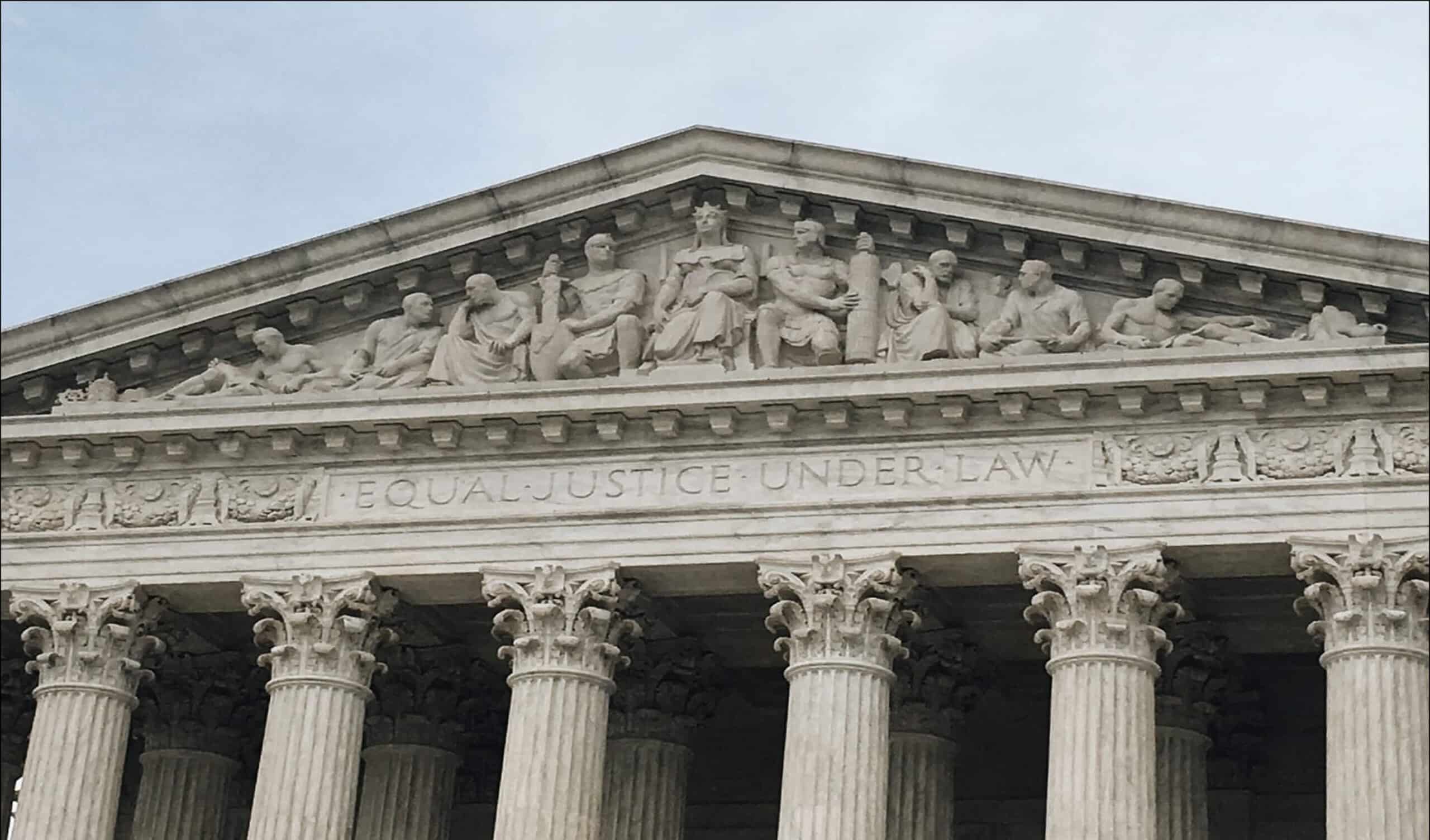
The facade of the U.S. Supreme Court building, featuring Corinthian columns and a sculpted frieze above the entrance with the inscription EQUAL JUSTICE UNDER LAW.

St. Louis Asbestos & Mesothelioma Attorneys Fighting for Victims

A mesothelioma diagnosis changes everything in an instant—you’re facing a rare and aggressive cancer caused by asbestos exposure that likely happened decades ago, and suddenly you’re navigating treatment decisions, mounting medical bills, and uncertainty about your family’s future.

$5B+
Won in Negotiated Settlements
Top 1%
Trial Lawyers in the USA
1200+
5-Star Reviews Nationwide

    This site is protected by reCAPTCHA and the Google Privacy Policy and Terms of Service apply.

    The physical symptoms are exhausting enough without the financial strain of lost wages and expensive treatments that insurance companies often dispute, leaving you wondering how to afford the specialized care you need while protecting your family’s security.

    You didn’t ask for this disease, and you shouldn’t have to fight alone. Because mesothelioma stems from preventable asbestos exposure, Missouri and Illinois law may allow you to pursue compensation from the companies responsible for your illness. Our team at OnderLaw has recovered over $5 billion in negotiated settlements for clients injured by corporate negligence, and we understand both the medical realities you’re facing and the legal complexities of asbestos litigation. We offer a free consultation to review your case, and you’ll pay no upfront costs—we only collect fees if we secure compensation for you. Call (314) 408-6136 to speak with our attorneys today.

    Time matters in mesothelioma cases because Missouri allows five years from diagnosis to file a personal injury claim under RSMo § 516.120, while Illinois provides only two years under 735 ILCS 5/13-202. Although these deadlines may seem distant when you’re focused on treatment, gathering evidence about decades-old workplace exposures takes time, and we need to act while witnesses and records are still available. Our attorneys serve clients throughout Missouri and Southern Illinois, bringing national resources and local knowledge to every case we handle.

    James Onder Attorney OnderLaw | Photo Jim Onder

    Onder Wins

    Unlike many firms that treat clients like case numbers, we provide direct attorney access throughout your case, ensuring you work with experienced lawyers who understand both the legal complexities and personal challenges you’re facing after a serious collision.

    • $5+ Billion In Negotiated Settlements
    • $300M+ In Jury Verdicts
    • Voted Best Law Firm In St. Louis 
    Personal Injury Case Consultation

    “Every case is an opportunity to protect someone else’s family from tragedy”

    Attorney Jim Onder in Downtown St. Louis in front of the courthouse
    Jim Onder
    Founder & Managing Partner

    Understanding Mesothelioma Law in Missouri & Illinois

    Mesothelioma litigation operates under unique legal principles because this cancer results exclusively from asbestos exposure, creating clear causation that spans decades between exposure and diagnosis.

    Filing Deadlines

    The statute of limitations—the deadline for filing a lawsuit—operates differently in each state and depends on whether you’re filing a personal injury claim or a wrongful death action. In Missouri, personal injury claims must be filed within five years from the date of diagnosis under RSMo § 516.120, which the state legislature has maintained unchanged since 1939. This five-year window begins when you receive a definitive mesothelioma diagnosis, not when you were first exposed to asbestos or when you first experienced symptoms. Missouri courts apply what’s called the “discovery rule” under RSMo § 516.100, meaning the clock starts when the injury becomes “capable of ascertainment”—in practical terms, when a doctor confirms mesothelioma through biopsy or imaging. Illinois provides a shorter timeframe of two years from diagnosis for personal injury claims under 735 ILCS 5/13-202. For wrongful death claims, Missouri allows three years from death under RSMo § 537.100, while Illinois provides two years under 740 ILCS 180/2.

    Missouri & Illinois Laws

    One critical consideration for St. Louis area residents is Missouri’s borrowing statute under RSMo § 516.190, which can affect cases involving exposure in multiple states. If you were exposed to asbestos in Illinois but now live in Missouri, the shorter Illinois deadline may apply to your Missouri lawsuit. Because venue rules and statute of limitations issues can become complex in cross-border cases—especially after Missouri’s 2019 venue reforms under SB 7 that require each plaintiff to independently establish proper venue—consulting with an attorney immediately after diagnosis protects your rights.

    Workers' Comp Exceptions

    Recent legislative changes have expanded options for some victims. In 2019, Illinois passed PA 101-6, which allows civil lawsuits against employers when workers’ compensation claims are barred by the 25-year statute of repose for latent occupational diseases. This means Illinois workers whose mesothelioma developed more than 25 years after their last exposure can now pursue civil claims that were previously blocked. Missouri maintains a unique exception to workers’ compensation exclusivity under RSMo § 287.200(3) specifically for mesothelioma—if your employer didn’t elect special mesothelioma coverage, you may be able to sue them directly in civil court rather than being limited to workers’ compensation benefits. This exception, extended through December 31, 2038, applies only to mesothelioma and not to other asbestos-related diseases.

    Types of Mesothelioma Cases We Handle

    Our St. Louis team handles all forms of mesothelioma litigation, drawing on decades of experience with asbestos cases and relationships with medical experts who can establish the connection between your diagnosis and workplace or environmental exposures. Because different types of mesothelioma affect different parts of the body and may point to specific exposure sources, understanding these medical distinctions helps us build stronger cases.

    Pleural mesothelioma cases

    Represent approximately 75% of all mesothelioma diagnoses according to CDC data and affect the pleura—the thin membrane lining the lungs and chest cavity. Because asbestos fibers are most commonly inhaled, they lodge in lung tissue and migrate to the pleural lining, where they cause inflammation and cellular changes over decades. These cases typically involve occupational exposures in construction, shipyards, manufacturing, or industrial settings where workers handled asbestos insulation, fireproofing materials, or asbestos-containing products.

    Peritoneal mesothelioma cases

    Affect the peritoneum—the abdominal cavity lining—and account for roughly 20% of mesothelioma diagnoses. While less common than pleural mesothelioma, peritoneal cases may have slightly better prognosis with aggressive treatment including heated intraperitoneal chemotherapy. Victims often experience abdominal pain, swelling, bowel changes, and unexplained weight loss. Peritoneal mesothelioma can result from swallowing asbestos fibers or from fibers that migrate through the lymphatic system from the lungs to the abdomen.

    Occupational exposure cases

    Form the foundation of most mesothelioma litigation because the vast majority of victims were exposed through their jobs. In the St. Louis area, workers at Monsanto Chemical Company, McDonnell Douglas (now Boeing), Anheuser-Busch facilities, Union Electric (now Ameren), local shipyards, refineries, and countless construction sites encountered asbestos in insulation, gaskets, brake linings, floor tiles, roofing materials, and hundreds of other products. Occupational cases require detailed work history documentation, identification of specific asbestos-containing products used at each job site, and often testimony from co-workers who can confirm exposure conditions.

    Secondary exposure cases

    Involve family members who developed mesothelioma from asbestos fibers carried home on workers’ clothing, hair, or skin. Spouses who laundered work clothes and children who greeted parents after work shifts were exposed to asbestos dust in their homes, leading to diagnoses decades later. These cases present unique challenges
    because the exposure was indirect, but Missouri and Illinois courts recognize that companies have a duty to prevent take-home exposure by providing proper protective equipment and decontamination facilities.

    Veterans cases

    Require specialized knowledge because military service members—particularly Navy veterans—faced extensive asbestos exposure on ships, in shipyards, and at military bases. While veterans can receive VA disability benefits for service-connected mesothelioma, they can also pursue civil claims against the manufacturers of asbestos products used by the military. We coordinate VA benefits with civil litigation to maximize total compensation while ensuring that one claim doesn’t interfere with the other.

    Wrongful death claims

    Allow surviving family members to pursue compensation when a mesothelioma victim passes away. In Missouri, wrongful death claims under RSMo § 537.100 must be filed within three years of death and may include compensation for the victim’s pain and suffering before death, medical expenses, lost wages, and the family’s loss of companionship and support. Illinois provides a two-year deadline under 740 ILCS 180/2.

    Trust fund claims

    Represent a significant portion of mesothelioma compensation because dozens of asbestos companies have filed for bankruptcy and established trust funds to pay current and future claims. These trusts hold billions of dollars, and victims can file claims with multiple trusts simultaneously while also pursuing lawsuits against solvent defendants. Trust claims typically resolve faster than litigation—often within three to six months—but require detailed exposure evidence and medical documentation.

    Led by Attorneys Who Believe in Causes,
    Not Just Cases

    Our Personal Injury Attorneys have decades of experience transforming personal tragedies into systemic changes that protect entire communities.

    St. Louis Industrial Asbestos Exposure History

    St. Louis’s industrial heritage created widespread asbestos exposure that continues to cause mesothelioma diagnoses today, decades after workers left job sites where they encountered the toxic mineral. According to CDC MMWR data from 1999-2015, Missouri recorded 748 mesothelioma deaths during that period, with St. Louis County accounting for a significant portion of those cases. Understanding the city’s asbestos history helps our attorneys identify exposure sources, locate witnesses, and build comprehensive cases.

    Monsanto Chemical Company

    The Monsanto Chemical Company, headquartered in St. Louis for over a century, operated multiple facilities where workers encountered asbestos in insulation, gaskets, and protective equipment. Chemical plants require extensive piping, boilers, and high-temperature equipment—all traditionally insulated with asbestos because of its heat resistance and fireproofing properties. Maintenance workers, pipefitters, insulators, and even office workers in older buildings faced exposure as asbestos insulation deteriorated or was disturbed during repairs and renovations.

    Anheuser-Busch

    Anheuser-Busch’s sprawling St. Louis brewery complex employed thousands of workers who encountered asbestos in boiler rooms, refrigeration systems, and throughout the facility’s infrastructure. Brewery operations require temperature control and fire prevention, making asbestos insulation ubiquitous in older facilities. Workers who maintained brewing equipment, repaired refrigeration systems, or worked in powerhouses that generated steam for the brewing process faced particularly high exposure levels.

    McDonnell Douglas/Boeing

    McDonnell Douglas, which merged with Boeing in 1997, manufactured aircraft in St. Louis for decades, and aircraft construction historically involved extensive asbestos use. Asbestos appeared in cockpit heat shields, engine insulation, brake assemblies, gaskets, and firewall materials because aircraft require lightweight, heat-resistant, fire-retardant materials. Mechanics, assemblers, and workers who retrofitted or repaired aircraft encountered asbestos dust when removing old components or installing new ones.

    Union Electric/Ameren

    Union Electric Company, now Ameren, operated coal-fired power plants throughout the St. Louis area, and power generation facilities were among the heaviest users of asbestos. Boilers, turbines, condensers, and miles of steam pipes were wrapped in asbestos insulation, and workers who maintained this equipment—boilermakers, pipefitters, electricians, and general laborers—faced daily exposure.

    Construction Sites

    Construction sites throughout St. Louis used asbestos in countless building materials from the 1940s through the 1980s. Floor tiles, ceiling tiles, roofing materials, siding, joint compound, plaster, concrete, adhesives, and insulation all commonly contained asbestos. Construction workers, demolition crews, renovation contractors, and building maintenance workers encountered these materials daily, often without protective equipment or warnings about the health risks.

    The Legal Process for Mesothelioma Cases

    Our representation begins with understanding your unique situation—your diagnosis, your work history, your current medical needs, and your family’s concerns. Because mesothelioma cases involve complex medical evidence, decades-old exposure history, and often multiple defendants across different jurisdictions, the legal process requires specialized knowledge and resources that general personal injury firms typically lack.

    1. Initial Consultation

      Initial consultation starts with a comprehensive review of your medical records to confirm your mesothelioma diagnosis and understand your prognosis, treatment plan, and medical expenses. We need to see pathology reports, imaging studies, and physician notes that establish the type of mesothelioma you have and when it was diagnosed, because this information determines which statute of limitations applies and how urgently we need to act. We’ll also discuss your complete work history, asking detailed questions about every job you held, the specific tasks you performed, the products and materials you worked with, and the conditions at each workplace.

    2. Case Investigation

      Case investigation involves our legal team and investigators gathering evidence to support your claim. We obtain employment records, union documents, Social Security earnings records, and military service records that establish where you worked and when. We search our extensive database of asbestos-containing products to identify which specific products were used at your job sites, and we locate product identification documents, safety data sheets, and corporate records that prove defendants knew their products contained asbestos. We interview former co-workers who can testify about workplace conditions and asbestos exposure, and we consult with industrial hygienists who can estimate your cumulative exposure levels.

    3. Filing the Lawsuit

      Filing the lawsuit requires strategic decisions about where to file and whom to sue. After Missouri’s 2019 venue reforms under SB 7, each plaintiff must independently establish proper venue, meaning we must show a connection between you, the defendants, and the chosen jurisdiction. For St. Louis residents, this typically means filing in St. Louis City or County Circuit Court, but Illinois residents may need to file in Madison County or another Illinois venue. We identify all potentially liable defendants—product manufacturers, premises owners, contractors, and possibly employers if Missouri’s mesothelioma exception applies.

    4. Discovery Phase

      Discovery phase is when both sides exchange information through written questions, document requests, and depositions where witnesses testify under oath. Your deposition is typically the most important, as you’ll describe your work history, identify products you used, and explain how you were exposed to asbestos. Defense attorneys will ask detailed questions about every job, every task, and every potential exposure source. We prepare you thoroughly for this testimony and attend your deposition to protect your interests.

    5. Settlement Negotiations

      Settlement negotiations occur throughout the litigation process because most mesothelioma cases resolve before trial. Defendants and their insurers evaluate the strength of your evidence, the severity of your illness, your life expectancy, and the potential jury verdict in your jurisdiction. We present demand packages that document your medical condition, your exposure history, your economic losses, and the pain and suffering you’ve endured. Because mesothelioma cases often involve multiple defendants, we may negotiate separate settlements with different companies.

    6. Trial or Settlement

      Trial or settlement represents the culmination of the legal process. If your case goes to trial, it typically lasts one to three weeks, with both sides presenting evidence and arguing their positions before a jury. We must tell your story in a way that helps jurors understand not just the medical facts but the human impact—how a disease caused by corporate negligence decades ago has devastated your life and your family’s future. Many cases settle during trial as defendants reassess their exposure after seeing how evidence plays before a jury.

    Compensation in Mesothelioma Cases

    Our representation aims to secure compensation that addresses both the economic and non-economic harm this disease causes. While no amount of money can restore your health or undo the decades of latency before your diagnosis, compensation can ease financial burdens, provide access to better medical care, and hold negligent companies accountable for the harm they caused.

    Settlement Amounts

    Many negotiated settlements in mesothelioma cases reach seven figures, though amounts vary widely based on multiple factors. According to industry observations, settlements often range from $1 million to $2 million, though some cases resolve for more and others for less depending on the specific circumstances. Trial verdicts can be substantially higher—some mesothelioma jury awards have reached $10 million or more—but verdicts are less predictable and subject to appeal, making settlement attractive for many clients who need compensation quickly.

    Factors Affecting Compensation

    Several factors influence how much compensation you may be able to recover. The stage and type of your mesothelioma affects both your life expectancy and your medical expenses—early-stage pleural mesothelioma with treatment options may support a different valuation than advanced peritoneal mesothelioma with limited treatment options. Your age and life expectancy matter because younger victims with longer life expectancy have greater lost earning capacity and more years of pain and suffering. The strength of your exposure evidence—how clearly we can prove which products you used and which companies are responsible—directly affects defendants’ willingness to settle and the amounts they may offer.

    Lost Wages and Earning Capacity

    Lost wages and earning capacity include not just the income you’ve already lost due to illness but also the future earnings you would have received if mesothelioma hadn’t cut your career short.

    Medical Expenses

    Medical expenses include all past and future costs related to mesothelioma treatment—surgery, chemotherapy, radiation, clinical trials, palliative care, medications, medical equipment, and travel to specialized treatment centers. Because mesothelioma treatment is expensive and often requires care at distant facilities, medical expenses can easily reach hundreds of thousands of dollars.

    Pain and Suffering

    Pain and suffering compensation addresses the physical pain, emotional distress, loss of life’s enjoyment, and diminished quality of life that mesothelioma causes. Unlike economic damages that can be calculated from bills and pay stubs, pain and suffering is inherently subjective, but juries and defendants consider factors like the severity of symptoms, the side effects of treatment, the progression of disease, and how mesothelioma has affected your daily activities and relationships. Missouri law caps punitive damages at the greater of $500,000 or five times compensatory damages under RSMo § 510.265, though this cap doesn’t apply to compensatory damages for pain and suffering, which remain unlimited.

    Trust Fund Payments

    Trust fund payments from asbestos bankruptcy trusts represent a significant source of compensation for many victims. Dozens of companies that manufactured or used asbestos have filed for bankruptcy and established trusts with billions of dollars to pay current and future claims. Trust payments typically range from $100,000 to over $1 million depending on the trust, your exposure to that company’s products, and your disease severity. Because you can file claims with multiple trusts, total trust compensation can be substantial, and these claims proceed simultaneously with any lawsuits against solvent defendants.

    Our representation aims to secure compensation that addresses both the economic and non-economic harm this disease causes. While no amount of money can restore your health or undo the decades of latency before your diagnosis, compensation can ease financial burdens, provide access to better medical care, and hold negligent companies accountable for the harm they caused.

    What Our Clients Say

    I highly recommend Mr. Onder. He is an excellent attorney and addresses client issues and concerns in a fast and efficient manner, answers any questions we have, and keeps us informed about the progress of our case.

    Bill

    I don't have enough words to describe how amazing the experience with this firm was. They work very hard to make sure you have winning results. I could not have asked for better services. From the moment I first called until my case was over, I was at ease that I had made the right choice.

    Mike

    Jim helped me in my work comp trucking accident. I didn't know how to even start the process. He was very helpful from the moment we met, to giving me his personal cell phone number to call.him when i needed help. Great service, i will give them a call if i ever find my self in another situation. Thank you!

    Rick Cole

    I contacted OnderLaw for my husband's car accident and work comp case. Everyone was very helpful always answered my phone calls. I appreciate all the help they gave me and my husband. I would recommend everyone to contact onder law if they need help.

    Nancy C

    I have known Jim Onder and his team for a few years now. I have always been impressed by the way they take care of their clients. It's not always about the case, but the individual. I would recommend anyone seeking legal counsel to give Jim and his team a call.

    John

    Common Challenges in Mesothelioma Cases

    Attorneys must overcome obstacles that don’t exist in typical personal injury litigation, because the long latency period between exposure and diagnosis creates evidentiary challenges that require specialized knowledge and resources. According to CDC data, the typical latency period of 20-50 years between asbestos exposure and mesothelioma diagnosis means that exposure often occurred decades before symptoms appeared, creating memory challenges for victims who must recall specific products, job sites, and working conditions from 40 or 50 years ago.

    Identifying All Exposure Sources

    Identifying all exposure sources requires detective work because most mesothelioma victims were exposed to asbestos from multiple sources over many years. A construction worker might have encountered asbestos in insulation at dozens of job sites, used asbestos-containing joint compound and floor tiles, and worked near other trades that created asbestos dust. An industrial worker might have been exposed to asbestos in gaskets, packing materials, insulation, and protective equipment at multiple employers. We use detailed questionnaires, multiple interviews, and database searches to identify every potential exposure source.

    Locating Witnesses and Co-Workers

    Locating witnesses and co-workers from decades ago presents logistical challenges. We use union records, Social Security databases, online search tools, and investigative services to find former co-workers who can corroborate your testimony about workplace conditions and specific products. When we locate witnesses, we interview them promptly and preserve their testimony through recorded statements or depositions, because witnesses’ memories fade and their availability isn’t guaranteed.

    Obtaining Employment Records

    Obtaining employment records requires persistence because many companies have been sold or dissolved, and records retention policies vary. We send subpoenas to former employers, successor companies, union pension funds, and government agencies that may have employment records. Social Security earnings records provide a framework of where you worked and when, even if detailed job descriptions aren’t available.

    Proving Causation

    Proving causation in mesothelioma cases is more straightforward than in many toxic tort cases because mesothelioma is a signature disease—it’s caused exclusively by asbestos exposure, not by smoking, genetics, or other factors. However, defendants still challenge causation by arguing that you weren’t exposed to their specific products, that your exposure was too minimal to cause disease, or that you were exposed to asbestos from non-occupational sources. We counter these arguments with medical expert testimony, industrial hygiene evidence, and product identification testimony.

    Dealing with Bankrupt Defendants

    Dealing with bankrupt defendants complicates mesothelioma litigation because many asbestos companies filed for bankruptcy decades ago and established trust funds to pay claims. While these trusts may provide compensation, they also create procedural challenges. We must identify which bankrupt companies’ products you were exposed to, file claims with the appropriate trusts, and provide the specific evidence each trust requires.

    Attorneys must overcome obstacles that don’t exist in typical personal injury litigation, because the long latency period between exposure and diagnosis creates evidentiary challenges that require specialized knowledge and resources. According to CDC data, the typical latency period of 20-50 years between asbestos exposure and mesothelioma diagnosis means that exposure often occurred decades before symptoms appeared, creating memory challenges for victims who must recall specific products, job sites, and working conditions from 40 or 50 years ago.

    Local Resources for Mesothelioma Victims

    We recognize that legal representation is only one part of what victims and families need. Medical treatment, emotional support, financial assistance, and practical help with daily challenges all matter, and connecting clients with local resources improves both quality of life and case outcomes.

    Medical Resources
    Veterans Resources
    Siteman Cancer Center (Washington University/Barnes-Jewish Hospital)

    One of only 53 National Cancer Institute-designated Comprehensive Cancer Centers in the United States. Siteman’s thoracic oncology program treats mesothelioma patients with multimodal therapy including surgery, chemotherapy, and radiation, and the center participates in clinical trials that may offer access to experimental treatments.

    Saint Louis University Hospital Cancer Center

    Provides comprehensive oncology services including palliative care focused on symptom management and quality of life.

    Hospice & Palliative Care

    Hospice and palliative care services focus on comfort and quality of life when curative treatment is no longer effective or when patients choose to focus on symptom management rather than aggressive treatment. According to CDC data (2015), the median survival from mesothelioma diagnosis is approximately 12 months, making palliative care an important consideration for many patients.


    BJC Hospice
    Mercy Hospice

    And numerous other agencies providing in-home care, pain management, and family support.

    Cancer Support Community of Greater St. Louis

    Located at 11775 Borman Drive in St. Louis, offers free support groups, educational workshops, and wellness programs for cancer patients and their families. While mesothelioma-specific support groups are rare due to the disease’s relative rarity, general cancer support groups welcome mesothelioma patients and address many of the same concerns—coping with diagnosis, managing treatment side effects, communicating with family, and planning for the future.

    Patient Advocate Foundation

    Provides case management and financial aid for patients with chronic, life-threatening, or debilitating diseases.

    CancerCare

    Offers financial assistance for transportation, home care, and pain medication.

    Mesothelioma Applied Research Foundation

    Provides travel grants for patients seeking treatment at specialized centers.

    St. Louis VA Medical Center at Jefferson Barracks

    Offers healthcare services for eligible veterans, and VA benefits counselors can help with disability claims.

    VA’s Caregiver Support Program

    Provides resources for family members caring for veterans.

    Additional Information

    Veterans with service-connected mesothelioma may qualify for both VA disability benefits and civil claims against asbestos product manufacturers. Our attorneys coordinate these benefits to maximize total compensation.

    Frequently Asked Questions

    How much does a mesothelioma lawyer cost?

    Our attorneys work on a contingency fee basis, meaning you pay no upfront costs or attorney fees. We only collect fees if we successfully recover compensation for you, typically 33-40% of the total recovery depending on whether the case settles before trial or proceeds through verdict. All case expenses—expert witness fees, court costs, medical record retrieval, investigation expenses, deposition costs—are advanced by our firm, and you only reimburse these expenses if we win your case. This arrangement ensures that financial concerns don’t prevent you from pursuing the compensation you may deserve.

    What is the average mesothelioma settlement in Missouri?

    While every case is unique and past results don’t guarantee future outcomes, many mesothelioma settlements reach seven figures. Industry observations suggest that negotiated settlements often range from $1 million to $2 million, though amounts vary significantly based on factors including your age, disease stage, exposure history, number of defendants, and strength of evidence. Some cases settle for less when evidence is weaker or defendants have limited assets, while others settle for more when liability is clear and damages are substantial. Trial verdicts can exceed settlement amounts—some mesothelioma jury awards have reached $10 million or more—but verdicts are less predictable and subject to appeal.

    How long do I have to file a mesothelioma lawsuit in St. Louis?

    Missouri law provides five years from your mesothelioma diagnosis to file a personal injury lawsuit under RSMo § 516.120, while Illinois residents have only two years from diagnosis under 735 ILCS 5/13-202. For wrongful death claims filed by family members after a victim passes away, Missouri allows three years from the date of death under RSMo § 537.100, and Illinois provides two years under 740 ILCS 180/2. These deadlines are strict—missing them typically means losing your right to compensation permanently. Because gathering evidence about decades-old asbestos exposure takes time, you should contact our attorneys immediately after diagnosis.

    Can family members file a mesothelioma claim?

    Yes, family members may pursue compensation in several situations. If a mesothelioma victim passes away, surviving family members—typically spouses, children, or parents—can file wrongful death claims under Missouri law (RSMo § 537.100) or Illinois law (740 ILCS 180/2) within the applicable statute of limitations. These claims seek compensation for the victim’s pain and suffering before death, medical expenses, lost wages, funeral costs, and the family’s loss of companionship, support, and guidance. Additionally, family members who developed mesothelioma from secondary exposure—asbestos fibers carried home on a worker’s clothing—can file their own personal injury claims against the companies responsible for the original worker’s exposure.

    What if the company that exposed me to asbestos is bankrupt?

    Many asbestos companies have filed for bankruptcy, but this doesn’t prevent you from recovering compensation. When asbestos companies file for bankruptcy, they typically establish trust funds with billions of dollars specifically designated to pay current and future mesothelioma claims. Dozens of these bankruptcy trusts exist, and victims can file claims with multiple trusts simultaneously. Trust claims typically resolve within three to six months and may provide substantial compensation—often $100,000 to over $1 million per trust depending on your exposure to that company’s products and your disease severity. Additionally, you may pursue lawsuits against solvent defendants—other manufacturers whose products you were exposed to, premises owners, contractors, or employers—while simultaneously filing trust claims.

    How long does a mesothelioma lawsuit take?

    The timeline for mesothelioma cases varies based on several factors, but most cases resolve within 12-18 months of filing. Trust fund claims typically resolve faster—often three to six months—because they follow administrative procedures rather than court litigation. Cases that settle before trial usually resolve within 12-18 months as we complete investigation, file the lawsuit, conduct discovery, and negotiate with defendants. Cases that proceed to trial may take two to three years from filing through verdict, though we can expedite cases for seriously ill clients through special trial settings or aggressive scheduling.

    What evidence do I need for a mesothelioma case?

    The most critical evidence is medical documentation confirming your mesothelioma diagnosis—pathology reports from biopsy, imaging studies, and physician notes establishing the type of mesothelioma and when it was diagnosed. Beyond medical records, we need information about your work history including where you worked, when you worked there, what your job duties were, and what products and materials you encountered. Employment records, union documents, Social Security earnings records, and military service records help establish your work history. However, you don’t need to have all this evidence before contacting us—our investigators help gather employment records, locate witnesses, and identify asbestos-containing products even when records are decades old or your memory of specific details is incomplete.

    picture of Jim Onder a top 100 trial personal injury attorney in St. Louis

    Why Choose OnderLaw for Your Mesothelioma Case

    When you’re facing a disease as serious as mesothelioma, the law firm you choose can significantly affect both your compensation and your experience during a difficult time. Our track record speaks to our capabilities—OnderLaw has recovered over $5 billion in negotiated settlements for clients injured by corporate negligence, defective products, and dangerous conditions. While past results don’t guarantee future outcomes, this history demonstrates our ability to handle complex litigation against well-funded corporate defendants and their insurance companies.

    Our dedicated legal team includes attorneys who focus specifically on asbestos cases and have developed the specialized knowledge these cases require. We maintain databases of asbestos-containing products, relationships with medical and industrial hygiene experts, and knowledge of bankruptcy trust procedures that general personal injury firms lack. Our attorneys attend national conferences on asbestos litigation, stay current on legal developments in multiple jurisdictions, and share knowledge across our team to benefit every client.

    We charge no upfront costs or fees, working instead on a contingency basis where we only collect attorney fees if we recover compensation for you. We advance all case expenses—expert witness fees, court costs, deposition expenses, medical record retrieval, investigation costs—and we only recoup these expenses if your case is successful. This arrangement means that financial concerns don’t prevent you from pursuing the compensation you deserve.

    Our national resources and local presence give us advantages that purely local firms can’t match. We have the financial strength to litigate cases through trial against Fortune 500 companies, the relationships to coordinate with co-counsel across the country, and the infrastructure to handle multiple cases simultaneously. Yet we maintain our St. Louis presence and our commitment to personal service—you’ll work with attorneys who know Missouri and Illinois law, understand local courts, and are available when you need them.

    Rapid case evaluation ensures that you don’t lose valuable time. We offer free consultations where we review your medical records and work history, often providing an initial assessment within days. Because mesothelioma progresses quickly and statutes of limitations create deadlines, we move efficiently to investigate your case, identify defendants, and file claims before time runs out.


    Get Help from Our St. Louis Mesothelioma Lawyers Today

    Time is critical in mesothelioma cases because Missouri’s five-year statute of limitations and Illinois’s two-year deadline create firm deadlines that can’t be extended. While these timeframes may seem adequate when you’re focused on treatment and family, gathering evidence about decades-old asbestos exposure, locating witnesses, identifying all liable defendants, and building a comprehensive case takes months of investigation and preparation. Waiting to contact an attorney risks losing valuable evidence as witnesses’ memories fade, records are destroyed, and potential defendants become harder to locate.

    Call (314) 408-6136 to speak with our team today, or complete our online contact form to request a consultation. We serve clients throughout Missouri and Southern Illinois, and we can meet with you at our office, at your home, or at the hospital if you’re receiving treatment. Remember, you pay no upfront costs or fees—we work on contingency, meaning we only collect attorney fees if we successfully recover compensation for you.

    Tell Us About Your Case

      This site is protected by reCAPTCHA and the Google Privacy Policy and Terms of Service apply.