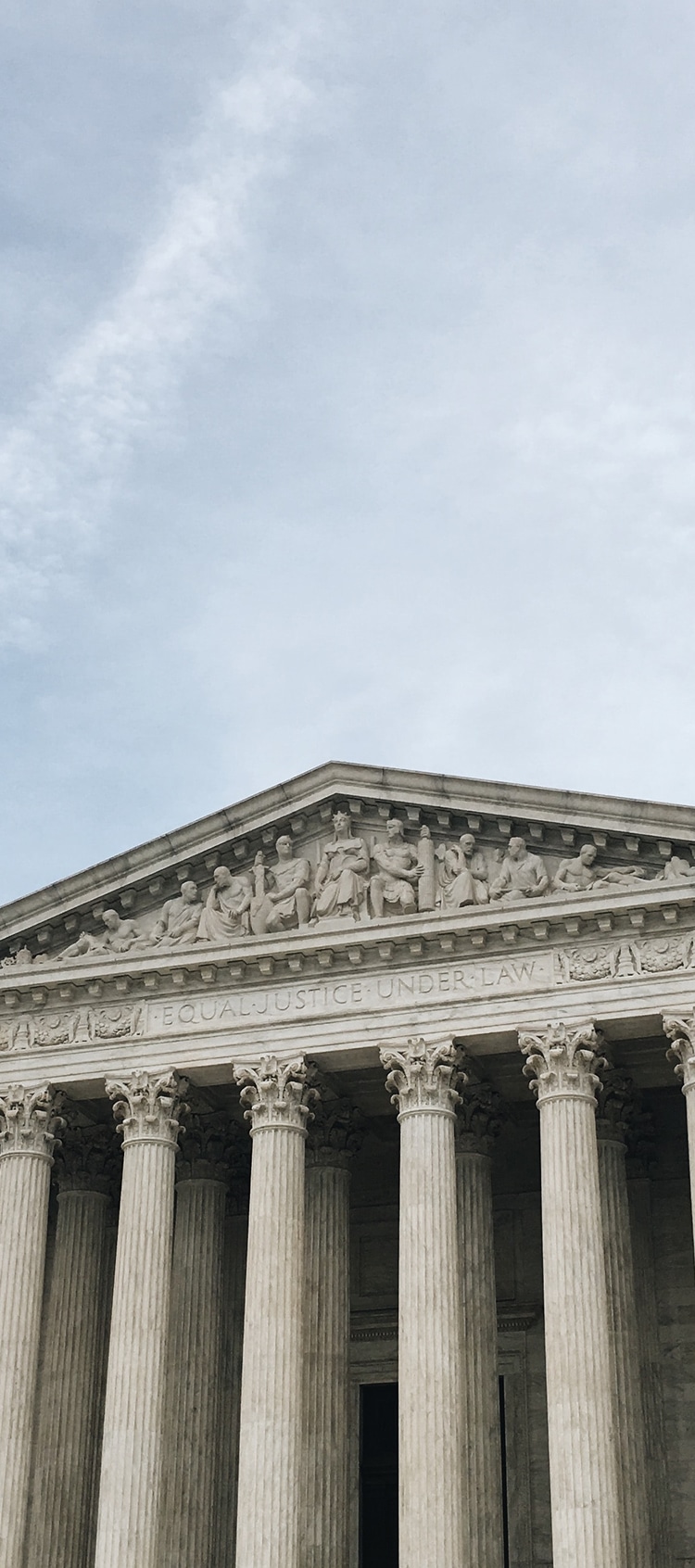
cars on the open road The facade of a classical government building with tall columns and a sculpted pediment. The phrase “EQUAL JUSTICE UNDER LAW” is inscribed above the entrance. The sky is lightly clouded above.

Motor Vehicle Accident Attorneys In St. Louis 

The crash happened in seconds, but its impact continues to reshape your daily life. Medical bills accumulate while you’re unable to work, and insurance companies pressure you for statements while you’re still processing what happened. Whether you were injured in a car collision on I-64, struck by a commercial truck on Highway 270, or hit by a distracted driver on a St. Louis County road, you’re facing challenges that extend far beyond vehicle repairs.


$5B+
Won In Negotiated Settlements
Top 1%
Trial Lawyers In The USA
1200+
5-Star Reviews Nationwide

Case Evaluation

Tell us about your situation to see if you have a case.

    This site is protected by reCAPTCHA and the Google Privacy Policy and Terms of Service apply.

    Let Us Make Your Case, Our Cause

    Every crash victim faces unique struggles—physical pain, emotional trauma, financial uncertainty, and the overwhelming complexity of insurance claims and legal procedures. At OnderLaw, we’ve spent decades helping Missouri and Illinois residents navigate these challenges, recovering more than $5 billion in negotiated settlements for our clients. Our motor vehicle accident attorneys understand that behind every case file is a person whose life has been disrupted, and we’re committed to restoring both your financial security and your peace of mind. Call us today at (314) 408-6136 for a free consultation—we don’t charge upfront costs, and you pay nothing unless we win your case.

    This comprehensive guide explains everything you need to know about motor vehicle accident claims in Missouri and Illinois, from understanding your legal rights to maximizing your compensation. We’ll walk you through the different types of vehicle accidents, the laws that apply to your case, and the strategic approach that has made OnderLaw one of the region’s most trusted personal injury firms.


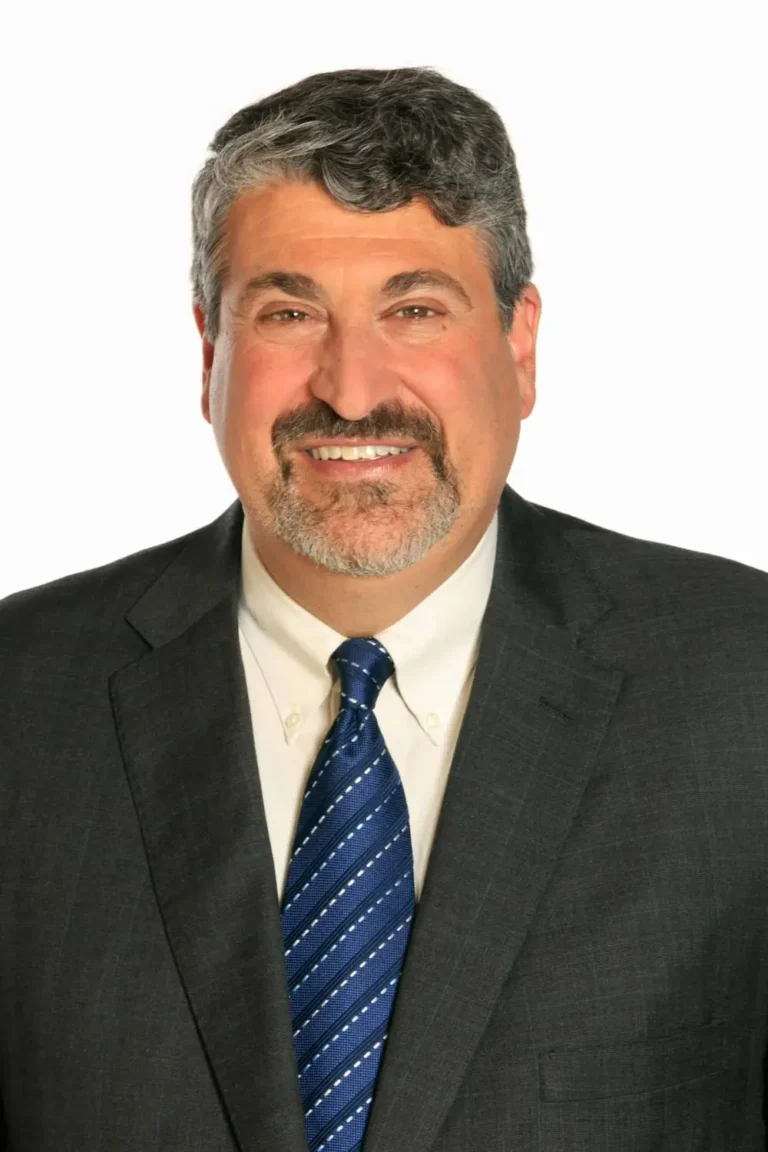
    James Onder Attorney OnderLaw | Photo Jim Onder

    Onder Wins

    Our firm has recovered more than $5 billion in negotiated settlements for clients over our decades of practice, with numerous multi-million dollar verdicts and settlements in motor vehicle accident cases. These results reflect not just legal skill, but the resources and commitment necessary to take on insurance companies, corporations, and government entities that have unlimited resources to defend claims. We’ve successfully handled everything from straightforward rear-end collisions to complex multi-vehicle accidents involving catastrophic injuries and wrongful death.

    • $5+ Billion In Negotiated Settlements
    • $300M+ In Jury Verdicts
    • Voted Best Law Firm In St. Louis 
    Personal Injury Case Consultation

    “Every case is an opportunity to protect someone else’s family from tragedy”

    Attorney Jim Onder in Downtown St. Louis in front of the courthouse
    Jim Onder
    Founder & Managing Partner

    Missouri vs. Illinois: Understanding How State Law Affects Your Case

    The St. Louis metropolitan area straddles the Missouri-Illinois border, meaning many accidents involve drivers, vehicles, or locations from both states. Understanding these differences is crucial for protecting your claim.


    Comparative Fault: How Your Own Actions Affect Recovery

    Missouri and Illinois take fundamentally different approaches to cases where the injured party shares some fault for the accident. Missouri follows a “pure comparative fault” system under common law, meaning even if you’re 99% at fault for an accident, you can still recover 1% of your damages from the other party. If you’re 30% at fault and your damages total $100,000, you can recover $70,000. There is no threshold that completely bars recovery—you can always collect your proportional share.


    Illinois, by contrast, follows a “modified comparative fault” system under 735 ILCS 5/2-1116, which bars recovery entirely if you’re 51% or more at fault. If you’re 50% at fault, you can recover 50% of your damages; if you’re 51% at fault, you recover nothing. This creates a critical threshold where a single percentage point determines whether you receive substantial compensation or walk away empty-handed. Insurance companies in Illinois cases fight aggressively to push your fault percentage above 50%, knowing this completely eliminates their liability.

    These different standards affect case strategy from the very beginning. In Missouri cases, we focus on maximizing the defendant’s fault percentage to increase your recovery, but we’re not fighting an all-or-nothing battle. In Illinois cases, keeping your fault below 51% becomes the paramount concern, often requiring more aggressive defense of your actions and more extensive evidence to counter the defendant’s fault-shifting arguments. The state law that applies can literally mean the difference between substantial compensation and no recovery at all.

    Statutes of Limitations: Your Deadline to File Suit

    Missouri provides one of the longest statutes of limitations in the country for personal injury claims: five years from the date of the accident under RSMo §516.120. This extended deadline gives you time to fully understand your injuries, complete treatment, and make informed decisions about your case without rushing into litigation. However, this generous timeline can create a false sense of security—evidence still disappears, witnesses become unavailable, and insurance companies become less willing to negotiate as time passes.

    Illinois imposes a much shorter deadline: just two years from the date of injury under 735 ILCS 5/13-202. This compressed timeline means Illinois cases require more immediate action to preserve your rights. If you’re still treating for injuries as the two-year deadline approaches, you may be forced to file suit before you’ve reached maximum medical improvement, complicating damage calculations and case strategy.Wrongful death cases have different deadlines in both states. Missouri allows three years from the date of death under RSMo §537.100 (extended from two years in 2017). Illinois allows two years from the date of death under 740 ILCS 180/2. These deadlines are strictly enforced—missing them by even one day typically means losing your right to compensation entirely, regardless of how strong your case might be. According to data from the National Highway Traffic Safety Administration, Missouri experienced 1,016 traffic fatalities in 2021, making wrongful death claims a significant category of motor vehicle accident litigation.

    Insurance Requirements and Uninsured Motorist Coverage

    Both Missouri and Illinois require drivers to carry minimum liability insurance, but the required amounts and coverage types differ significantly. Missouri requires $25,000 per person and $50,000 per accident for bodily injury, plus $25,000 for property damage. More importantly, Missouri law under RSMo §379.203 requires insurance companies to offer uninsured motorist (UM) and underinsured motorist (UIM) coverage at the same limits as your liability coverage—and you must reject this coverage in writing if you don’t want it. This mandatory uninsured motorist coverage becomes crucial when you’re hit by an uninsured driver or by someone whose insurance is insufficient to cover your damages.

    According to the Missouri State Highway Patrol, approximately 13% of Missouri drivers operated without insurance in 2021, making UM/UIM coverage essential protection. Illinois has similar requirements but with different minimum amounts and slightly different rules about coverage stacking and policy coordination. Understanding which insurance policies apply to your case—your own policy, the at-fault driver’s policy, and any umbrella or excess policies—requires careful analysis of policy language and state insurance law.

    OnderLaw Recent Case Results

    Our greatest results have been the relationships we’ve forged with clients we’ve helped and the lives they’ve achieved after horrific accidents with the settlements our work brought about.

    Every case is different and handled differently, but we are proud of what we have accomplished on behalf of previous clients. From multi billion dollar mass tort settlements to individual personal injury verdicts, we fight for every penny of compensation our clients deserve.

    Past results do not guarantee future outcomes; every case is different.

    Recent victories creating lasting change across Missouri

    TYPES OF AUTO ACCIDENT CASES WE HANDLE

    Motor vehicle accidents encompass a wide range of collision types, each with distinct legal considerations, liability issues, and compensation factors. The type of vehicle involved in your accident significantly affects how we investigate your claim, identify responsible parties, and pursue maximum compensation.

    Car Accidents

    Common Issues: Rear-end collisions, intersection crashes, distracted driving, drunk driving, hit-and-run accidents

    Typical Liable Parties: At-fault drivers, vehicle manufacturers (defects), government entities (road defects).

    Truck Accidents

    Common Issues: Driver fatigue, improper loading, maintenance failures, logbook violations, wide turn accidents

    Typical Liable Parties: Truck drivers, trucking companies, cargo loaders, maintenance contractors, vehicle manufacturers

    Motorcycle Accidents

    Common Issues: Left-turn collisions, lane-splitting disputes, road hazards, visibility issues, severe injury claims

    Typical Liable Parties: Motorists, road maintenance agencies, motorcycle manufacturers (defects)

    Pedestrian Accidents

    Common Issues: Crosswalk accidents, parking lot collisions, sidewalk crashes, catastrophic injuries

    Typical Liable Parties: Drivers, property owners (inadequate lighting/signage), municipalities (crosswalk design)

    Bicycle Accidents

    Common Issues: Dooring accidents, right-hook collisions, bike lane violations, serious orthopedic injuries

    Typical Liable Parties: Motorists, municipalities (unsafe bike infrastructure), property owners

    Rideshare Accidents

    Common Issues: Insurance coverage disputes (Uber/Lyft), driver status questions, multiple insurance policies

    Typical Liable Parties: Rideshare drivers, rideshare companies, third-party drivers, insurance carriers

    Government Vehicle Accidents

    Common Issues: Sovereign immunity issues, notice requirements, damage caps, shortened filing deadlines

    Typical Liable Parties: City/county governments, state agencies, individual government employees

    Bus Accidents

    Common Issues: Government immunity claims (Metro/public transit), common carrier duty of care, short notice deadlines for government entities, multiple insurance policies, passenger vs. pedestrian claims

    Typical Liable Parties: Bus drivers, transit authorities, school districts, charter bus companies, third-party drivers, bus manufacturers, maintenance contractors

    Why Motor Vehicle Accidents Demand Specialized Experienced Legal Teams

    Here’s why specialized legal representation makes a measurable difference in case outcomes.

    Multiple Potentially Liable Parties Create Complex Legal Landscapes

    Most people assume motor vehicle accidents involve only two parties—you and the other driver. In reality, modern accident cases often involve multiple defendants whose liability must be carefully analyzed and proven. In a commercial truck accident, for example, you might have claims against the truck driver (for negligent operation), the trucking company (for inadequate training or pressure to violate hours-of-service regulations), the cargo loading company (for improper weight distribution), the maintenance contractor (for brake system failures), and the truck manufacturer (for design defects). Each defendant has separate insurance coverage, separate legal counsel, and separate strategies to minimize their liability—meaning you’re facing a coordinated defense from multiple sophisticated parties.
    Missouri’s joint and several liability statute (RSMo §537.067) adds another layer of complexity: defendants who are 51% or more at fault can be held responsible for the entire judgment, while defendants under 51% fault only pay their proportional share. This creates strategic considerations about how to allocate fault among multiple defendants to maximize your recovery. Our motor vehicle accident attorneys have the experience to identify all potentially liable parties, understand the insurance coverage available from each, and structure claims to optimize compensation under Missouri’s liability rules.

    Critical Evidence Disappears Quickly Without Immediate Action

    The hours and days immediately following a motor vehicle accident represent a critical window for evidence preservation—a window that closes rapidly as physical evidence is destroyed, witnesses’ memories fade, and electronic data is overwritten. Skid marks wash away with the first rain. Debris gets swept from roadways. Security camera footage is recorded over within days or weeks. Vehicle “black box” data (Event Data Recorders) can be erased or overwritten. Witnesses move, change phone numbers, or simply become harder to locate as time passes.

    Insurance companies and corporate defendants understand this evidence degradation timeline, which is why they immediately dispatch investigators, accident reconstructionists, and legal teams to accident scenes. Without equally prompt action on your behalf, you’re allowing the other side to control the narrative about what happened. Our firm’s immediate response protocol includes dispatching investigators to accident scenes within hours when possible, sending preservation letters to prevent evidence destruction, interviewing witnesses while memories are fresh, and securing expert analysis of time-sensitive evidence. This aggressive early action has proven decisive in countless cases where critical evidence would have been lost if we’d waited even a few days to get involved.

    Insurance Companies Use Sophisticated Tactics to Minimize Payouts

    The insurance adjuster who calls you after your accident, expressing concern for your wellbeing and offering to “help you through this difficult time,” is not your advocate—they’re a trained professional whose job performance is measured by how little the company pays on claims. Insurance companies employ sophisticated tactics designed to reduce claim values: they’ll rush you to give recorded statements before you understand your injuries, pressure you to accept quick settlements before you’ve reached maximum medical improvement, use your social media posts against you, and deploy surveillance to catch you performing any activity they can characterize as inconsistent with your claimed injuries.

    One particularly effective insurance tactic involves the “low-ball offer”—presenting an initial settlement that sounds substantial to someone unfamiliar with injury claim values but represents a fraction of what the case is actually worth. According to research from the Insurance Information Institute, unrepresented claimants typically receive settlements 40-60% lower than represented claimants with similar injuries. Insurance companies know that most accident victims have never been through this process before and lack the knowledge to evaluate whether an offer is fair. Our attorneys have handled thousands of motor vehicle accident claims and know exactly what your case is worth based on the specific facts, injuries, and applicable law—and we won’t let insurance companies take advantage of your unfamiliarity with the claims process.

    Multiple Potentially Liable Parties Create Complex Legal Landscapes

    Most people assume motor vehicle accidents involve only two parties—you and the other driver. In reality, modern accident cases often involve multiple defendants whose liability must be carefully analyzed and proven. In a commercial truck accident, for example, you might have claims against the truck driver (for negligent operation), the trucking company (for inadequate training or pressure to violate hours-of-service regulations), the cargo loading company (for improper weight distribution), the maintenance contractor (for brake system failures), and the truck manufacturer (for design defects). Each defendant has separate insurance coverage, separate legal counsel, and separate strategies to minimize their liability—meaning you’re facing a coordinated defense from multiple sophisticated parties.
    Missouri’s joint and several liability statute (RSMo §537.067) adds another layer of complexity: defendants who are 51% or more at fault can be held responsible for the entire judgment, while defendants under 51% fault only pay their proportional share. This creates strategic considerations about how to allocate fault among multiple defendants to maximize your recovery. Our motor vehicle accident attorneys have the experience to identify all potentially liable parties, understand the insurance coverage available from each, and structure claims to optimize compensation under Missouri’s liability rules.

    Critical Evidence Disappears Quickly Without Immediate Action

    The hours and days immediately following a motor vehicle accident represent a critical window for evidence preservation—a window that closes rapidly as physical evidence is destroyed, witnesses’ memories fade, and electronic data is overwritten. Skid marks wash away with the first rain. Debris gets swept from roadways. Security camera footage is recorded over within days or weeks. Vehicle “black box” data (Event Data Recorders) can be erased or overwritten. Witnesses move, change phone numbers, or simply become harder to locate as time passes.

    Insurance companies and corporate defendants understand this evidence degradation timeline, which is why they immediately dispatch investigators, accident reconstructionists, and legal teams to accident scenes. Without equally prompt action on your behalf, you’re allowing the other side to control the narrative about what happened. Our firm’s immediate response protocol includes dispatching investigators to accident scenes within hours when possible, sending preservation letters to prevent evidence destruction, interviewing witnesses while memories are fresh, and securing expert analysis of time-sensitive evidence. This aggressive early action has proven decisive in countless cases where critical evidence would have been lost if we’d waited even a few days to get involved.

    Insurance Companies Use Sophisticated Tactics to Minimize Payouts

    The insurance adjuster who calls you after your accident, expressing concern for your wellbeing and offering to “help you through this difficult time,” is not your advocate—they’re a trained professional whose job performance is measured by how little the company pays on claims. Insurance companies employ sophisticated tactics designed to reduce claim values: they’ll rush you to give recorded statements before you understand your injuries, pressure you to accept quick settlements before you’ve reached maximum medical improvement, use your social media posts against you, and deploy surveillance to catch you performing any activity they can characterize as inconsistent with your claimed injuries.

    One particularly effective insurance tactic involves the “low-ball offer”—presenting an initial settlement that sounds substantial to someone unfamiliar with injury claim values but represents a fraction of what the case is actually worth. According to research from the Insurance Information Institute, unrepresented claimants typically receive settlements 40-60% lower than represented claimants with similar injuries. Insurance companies know that most accident victims have never been through this process before and lack the knowledge to evaluate whether an offer is fair. Our attorneys have handled thousands of motor vehicle accident claims and know exactly what your case is worth based on the specific facts, injuries, and applicable law—and we won’t let insurance companies take advantage of your unfamiliarity with the claims process.

    The OnderLaw Approach to Motor Vehicle Accident Cases

    Our systematic approach to motor vehicle accident cases has been refined over decades of practice and thousands of cases. We don’t use a one-size-fits-all strategy—each case receives individualized attention based on its unique facts, injuries, and legal issues. However, certain core principles guide every case we handle, ensuring thorough investigation, aggressive advocacy, and maximum compensation for our clients.

    1. Immediate Response: Preserving Critical Evidence

      The first 72 hours after a motor vehicle accident are crucial for evidence preservation. Our immediate response protocol activates as soon as you contact us, with investigators dispatched to accident scenes when possible to photograph conditions, measure skid marks, identify surveillance cameras, and document physical evidence before it disappears. We send preservation letters to all potentially liable parties, legally requiring them to preserve electronic data, maintenance records, employment files, and other evidence that might otherwise be destroyed in the normal course of business.

      For commercial vehicle accidents, we immediately request Electronic Logging Device (ELD) data, driver qualification files, vehicle maintenance records, and company safety policies before these records can be “lost” or destroyed. In cases involving traffic cameras or business security footage, we act quickly to secure this video evidence before it’s recorded over. This aggressive early action has proven decisive in countless cases where critical evidence would have been lost if we’d waited even a few days to get involved.

    2. Comprehensive Investigation: Building Your Case

      Once immediate evidence is preserved, we conduct a thorough investigation that goes far beyond the police report. We retain accident reconstruction experts to analyze physical evidence and create demonstrative exhibits showing how the accident occurred. We interview all witnesses, not just those identified in the police report, often uncovering additional witnesses through canvassing the accident area. We obtain all available video footage, 911 recordings, and dispatch logs that might contain relevant information.

      Medical investigation is equally important. We work with your treating physicians to fully document your injuries, obtain detailed medical narratives explaining causation and prognosis, and retain independent medical experts when necessary to counter defense medical examinations. We calculate future medical costs through life care planning experts who project your long-term treatment needs and associated expenses. This comprehensive medical documentation is essential for maximizing compensation, particularly for injuries with long-term or permanent effects. For cases involving traumatic brain injuries or spinal cord injuries, we work with specialized medical experts who understand the complex nature of these catastrophic injuries.

    3. Strategic Negotiation: Maximizing Settlement Value

      Most motor vehicle accident cases settle before trial—according to American Bar Association data, approximately 95% of personal injury cases resolve through settlement. However, settlement value depends entirely on the insurance company’s perception of what the case is worth at trial. Weak preparation leads to low settlement offers; thorough preparation and demonstrated willingness to try the case leads to fair settlements that reflect true case value.

      Our negotiation strategy involves presenting comprehensive demand packages that include all medical records, expert reports, economic damage calculations, and legal memoranda addressing liability and damages issues. We don’t make initial demands and then negotiate down—we calculate fair case value based on similar verdicts and settlements, then present evidence-supported demands that justify these amounts. When insurance companies make unreasonable offers, we don’t hesitate to file suit and push toward trial, knowing that our trial preparation often motivates settlement increases as trial approaches.

    4. Trial Preparation: Ready to Take Your Case to a Jury

      While most cases settle, the only way to achieve fair settlements is to be genuinely prepared to try cases that don’t settle. Our trial preparation begins from day one, with every investigation decision and evidence-gathering effort designed to create a compelling trial presentation. We retain the best experts in their fields—accident reconstructionists, medical specialists, economists, vocational rehabilitation experts—and prepare them to testify effectively. We create demonstrative exhibits, animations, and visual aids that help jurors understand complex technical and medical issues.

      Mock trials and focus groups help us test case themes, identify weaknesses in our presentation, and refine our approach based on feedback from people similar to actual jurors. This extensive preparation serves two purposes: it positions us to win at trial if necessary, and it demonstrates to insurance companies that we’re serious about trying the case, often motivating settlement increases to avoid trial risk and expense.

    Recent Legal Changes Affecting Motor Vehicle Accident Cases

    Missouri's Hands-Free Law (2023)

    Missouri enacted significant changes to distracted driving law in 2023 with the Siddens Bening Hands Free Law (RSMo §304.822), which prohibits all drivers from using handheld electronic devices while operating a vehicle. This replaced the previous law (RSMo §304.820) that only restricted texting for drivers under 21. The new law, effective August 28, 2023, creates broader opportunities for negligence per se claims when distracted driving contributes to accidents. Violations of this statute can establish negligence as a matter of law, shifting the burden to the defendant to prove their device use didn’t cause the accident.

    Punitive Damages Procedure Changes (2020)

    Missouri also modified its punitive damages procedures in 2020 under RSMo §510.261, prohibiting plaintiffs from pleading punitive damages in their initial petition. Now, you must seek leave to amend your petition to add punitive damages after discovery reveals clear and convincing evidence of the defendant’s intentional or reckless conduct. This procedural change affects case strategy in drunk driving cases, road rage incidents, and other situations involving egregious conduct where punitive damages might be appropriate.

    Choice of Law Considerations

    The accident location primarily determines which state’s law applies, but exceptions exist when the parties have significant connections to a different state. Missouri courts apply the “most significant relationship” test from the Restatement (Second) of Conflict of Laws, considering factors like where the accident occurred, where the parties reside, where the vehicle is registered, and where the parties’ relationship is centered. Our firm’s experience practicing in both states allows us to identify choice-of-law issues early and, when possible, structure cases to apply the most favorable law to your situation.

    Special Considerations: Government Defendant Damage Caps

    When a government entity or employee is responsible for your accident—whether a city bus driver, a county road maintenance vehicle, or a state highway patrol officer—sovereign immunity principles limit your recovery. Missouri law under RSMo §537.600 and RSMo §537.610 caps damages against government defendants at amounts that adjust annually for inflation. For 2025, these caps are $517,306 per person and $3,448,710 per occurrence, according to the Missouri Division of Risk Management.

    These caps apply to all damages—economic and non-economic combined—meaning a catastrophic injury case against a government defendant might recover far less than the same case against a private defendant. Government liability cases also involve special notice requirements, shorter deadlines, and procedural hurdles that don’t apply to regular motor vehicle accident cases. If your accident involved any government vehicle or occurred due to a road defect on government property, early legal consultation is essential to preserve your rights and navigate these special requirements.

    Understanding Compensation in Motor Vehicle Accident Cases

    The damages available in motor vehicle accident cases extend far beyond vehicle repairs and immediate medical bills. Missouri and Illinois law recognize multiple categories of compensation designed to make you whole after an accident—to restore you, as much as money can, to the position you would have been in had the accident never occurred. Understanding these damage categories helps you recognize the full value of your claim and avoid accepting inadequate settlements that fail to account for all your losses.

    Economic Damages

    Economic damages compensate for measurable financial losses with specific dollar amounts. Medical expenses form the largest component for most accident victims, including emergency room treatment, hospitalization, surgery, prescription medications, physical therapy, medical equipment, and future medical care. Missouri and Illinois both allow recovery for all reasonable and necessary medical expenses, including future treatment costs when medical experts can establish you’ll need ongoing care. If your injuries require a lifetime of treatment, pain management, or assistive devices, these future costs must be calculated and included in your claim.

    Lost income represents another major economic damage category, compensating you for wages lost while recovering from injuries. This includes not just the paychecks you missed immediately after the accident, but also lost earning capacity if your injuries prevent you from returning to your previous occupation or limit your ability to advance in your career. A construction worker who suffers a back injury that prevents heavy lifting has lost more than just a few weeks of wages—they’ve potentially lost their entire career and must be compensated for the difference between their previous earning capacity and what they can now earn in a different field.

    Property damage, household services you can no longer perform yourself, transportation costs to medical appointments, and other out-of-pocket expenses round out the economic damage calculation. These damages require careful documentation through medical records, billing statements, employment records, expert economic testimony, and receipts for all accident-related expenses. Our systematic approach to documenting economic damages ensures no compensable loss is overlooked when calculating your claim value.


    Non-Economic Damages: Compensating Intangible Losses

    Non-economic damages compensate for losses that don’t have specific price tags but are nonetheless real and devastating. Pain and suffering—both physical pain from your injuries and emotional suffering from the trauma—represents the most common non-economic damage. Missouri and Illinois don’t cap pain and suffering damages in motor vehicle accident cases (unlike medical malpractice cases), allowing juries to award whatever amount they believe fairly compensates your suffering.

    Loss of enjoyment of life compensates you when injuries prevent you from participating in activities that previously brought you joy—whether that’s playing with your children, pursuing hobbies, engaging in sports, or simply living without constant pain. Disfigurement and scarring damages recognize the psychological impact and social consequences of permanent visible injuries. Loss of consortium compensates your spouse for the loss of companionship, affection, and marital relations resulting from your injuries.

    These intangible damages often exceed economic damages in serious injury cases, yet they’re also the most difficult to quantify and the first damages insurance companies try to minimize. Effectively presenting non-economic damages requires painting a complete picture of how the accident has altered your life—not just listing injuries, but showing the jury or insurance adjuster how those injuries affect your daily existence, your relationships, your future plans, and your sense of self. This is where the art of advocacy combines with the science of damage calculation to achieve maximum compensation.

    Punitive Damages: Punishing Egregious Conduct

    Punitive damages serve a different purpose than compensatory damages—rather than making you whole, they punish the defendant for particularly egregious conduct and deter similar behavior in the future. Missouri law under RSMo §510.263 allows punitive damages when the defendant’s conduct showed “complete indifference to or conscious disregard for the safety of others.” This standard typically applies in drunk driving cases, extreme reckless driving, intentional conduct, or situations where the defendant knew their actions created substantial risk but proceeded anyway.

    The procedural requirements for punitive damages changed significantly in Missouri in 2020. Under RSMo §510.261, you cannot plead punitive damages in your initial petition—you must first conduct discovery, then seek leave to amend your petition if you uncover clear and convincing evidence supporting punitive damages. This two-stage process means punitive damages require strategic planning from the outset, with discovery specifically targeted at uncovering evidence of the defendant’s state of mind and prior similar conduct.

    Missouri law under RSMo §537.675 requires 50% of any punitive damage award to be paid to the Missouri Tort Victims’ Compensation Fund, meaning you receive only half of the punitive award. However, punitive damages aren’t subject to the same insurance policy limits as compensatory damages, potentially providing additional recovery when policy limits are insufficient. Illinois has different punitive damage standards and procedures, making the applicable state law crucial in cases involving egregious conduct.

    The damages available in motor vehicle accident cases extend far beyond vehicle repairs and immediate medical bills. Missouri and Illinois law recognize multiple categories of compensation designed to make you whole after an accident—to restore you, as much as money can, to the position you would have been in had the accident never occurred. Understanding these damage categories helps you recognize the full value of your claim and avoid accepting inadequate settlements that fail to account for all your losses.

    What Our Clients Say

    Onder Law Firm handled my case for me. They were quick and professional. During this time I worked with Beth. I couldn't have asked for better! She always answered my calls and/or called me back with answers quickly. While my case was going on she checked on me and my family regularly. I feel she goes above and beyond in regards to her clients, friendly and always with a smile. Thank for you all the time you have put in my case.

    L Wat

    OnderLaw Client

    Had a question and called in. I spoke with a lady named Tonya, she was very kind and helpful. Going forward, I will definitely tell people to call for caring and supportive help. Thank you Tonya!!!

    Laura Baker

    OnderLaw Client

    Onder Law did a really great job with my case and always answered my phone calls. They are very friendly and receptive. I would use them again in the future if I have any other cases and have recommended them to others.

    Katie Shuffett

    OnderLaw Client

    Frequently Asked Questions

    How long do I have to file a motor vehicle accident lawsuit in Missouri or Illinois?

    Missouri provides five years from the date of the accident to file a personal injury lawsuit under RSMo §516.120, while Illinois allows only two years under 735 ILCS 5/13-202. Wrongful death cases have different deadlines: three years in Missouri (RSMo §537.100) and two years in Illinois (740 ILCS 180/2). These deadlines are strictly enforced—missing them by even one day typically means losing your right to compensation entirely. However, you shouldn’t wait until the deadline approaches to consult an attorney, as evidence disappears and witnesses become unavailable over time.

    What if I was partially at fault for the accident?

    Missouri follows a pure comparative fault system, meaning you can recover compensation even if you were 99% at fault—you’ll receive 1% of your damages. If you’re 30% at fault and your damages total $100,000, you can recover $70,000. Illinois uses a modified comparative fault system under 735 ILCS 5/2-1116, barring recovery entirely if you’re 51% or more at fault. If you’re 50% at fault, you can recover 50% of damages; at 51% fault, you recover nothing. The state law that applies to your case significantly affects your recovery when you share fault for the accident, making early legal consultation essential to understand your rights.

    How much is my motor vehicle accident case worth?

    Case value depends on numerous factors including the severity of your injuries, the amount of your medical expenses, your lost income, the degree of fault of each party, the available insurance coverage, and the jurisdiction where your case will be filed. Economic damages (medical bills, lost wages, property damage) can be calculated with relative precision, but non-economic damages (pain and suffering, loss of enjoyment of life) require analysis of similar cases and understanding of what juries in your jurisdiction typically award for comparable injuries. An experienced motor vehicle accident attorney can provide a realistic case valuation after reviewing your medical records, understanding the full extent of your injuries, and analyzing the liability and insurance issues in your case.

    Should I give a recorded statement to the insurance company?

    You should never give a recorded statement to the other driver’s insurance company without first consulting an attorney. Insurance adjusters are trained to ask questions designed to minimize claim value or create inconsistencies they can use against you later. Statements given while you’re still in pain, on medication, or before you fully understand your injuries often contain inaccuracies that damage your case. You’re generally required to cooperate with your own insurance company under your policy terms, but even then, you should consult an attorney first to understand what information you must provide and how to protect your interests. Once you retain an attorney, all communication with insurance companies goes through your lawyer, protecting you from these tactics.

    What if the at-fault driver doesn't have insurance or doesn't have enough insurance?

    Uninsured and underinsured motorist coverage protects you when the at-fault driver lacks insurance or has insufficient coverage to compensate your damages fully. Missouri law under RSMo §379.203 requires insurance companies to offer UM/UIM coverage at the same limits as your liability coverage, and you must reject it in writing if you don’t want it. If you have this coverage and are hit by an uninsured or underinsured driver, your own insurance company pays your damages up to your UM/UIM policy limits. However, your insurance company will still try to minimize what they pay, often requiring the same aggressive advocacy as claims against third-party insurers.


    How long will my motor vehicle accident case take?

    Case duration varies significantly based on the complexity of liability issues, the severity of injuries, and whether the case settles or goes to trial. Simple cases with clear liability and minor injuries might settle within a few months. Complex cases involving serious injuries, disputed liability, or multiple defendants often take one to two years or longer. You shouldn’t settle your case until you’ve reached maximum medical improvement and understand the full extent of your injuries and future treatment needs—settling too early often means accepting less compensation than you deserve.

    What happens if the other driver was drunk or texting while driving?

    Drunk driving and distracted driving create opportunities for enhanced damages beyond standard compensation. Missouri’s hands-free law (RSMo §304.822), effective August 28, 2023, prohibits all drivers from using handheld electronic devices, creating negligence per se claims when violations contribute to accidents. Drunk driving cases may support punitive damages under RSMo §510.263 if the defendant’s conduct showed “complete indifference to or conscious disregard for the safety of others.” These cases also often involve dram shop claims against bars or restaurants that over-served the drunk driver, potentially providing additional sources of compensation beyond the driver’s insurance.


    Do most motor vehicle accident cases go to trial?

     According to American Bar Association data, approximately 95% of personal injury cases settle before trial. However, this high settlement rate doesn’t mean you should expect a quick, easy settlement—it means that thorough preparation and demonstrated willingness to try the case motivates insurance companies to make fair settlement offers. Cases that settle do so because both sides recognize the likely trial outcome and decide settlement is preferable to the risk, expense, and uncertainty of trial. Weak case preparation leads to low settlement offers; thorough preparation and genuine trial readiness leads to fair settlements.

    Take Action Today—Your Recovery Can’t Wait

    Every day you wait to consult an attorney is another day evidence disappears, witnesses’ memories fade, and insurance companies build their defense against your claim. Missouri’s five-year statute of limitations might seem like plenty of time, but the reality is that early action significantly improves case outcomes. The insurance company has already assigned an adjuster to your case, and that adjuster is working right now to minimize what they’ll pay you. You need an advocate working just as hard to protect your interests and maximize your compensation.

    You can reach us 24 hours a day, 7 days a week at (314) 408-6136. Remember, you pay nothing unless we recover compensation for you.

    24/7
    Call Us Anytime
    $0
    Zero Upfront Costs

    Contact Our Attorneys Now

    Our free consultation helps you understand your rights and options.

      This site is protected by reCAPTCHA and the Google Privacy Policy and Terms of Service apply.