Freeze-thaw mornings, icy bridges and bulky coats create hazards on both sides of the river. Here’s how St. Louis-area drivers can protect the people riding with them.
The first flurries send half of St. Louis racing to Schnucks for milk, bread and eggs. But the most dangerous roads usually show up later, on a 33-degree morning after an overnight drizzle: the highway looks wet, the bridge ahead is already frozen and people are driving like it’s any other day.
Mornings like that are when ice does its damage. Each year, an average of nearly 220,000 crashes happen during sleet, freezing rain, snow or hail, injuring more than 34,000 people, according to a Federal Highway Administration analysis of federal crash data.
Most winter crashes aren’t just bad luck. Several factors play a part, and many of them are within your control. Being prepared for winter weather can help prevent accidents and keep you and your family safe.
1. Pulling Out Before the Car Is Fully Cleared (Yes, the Roof Too)
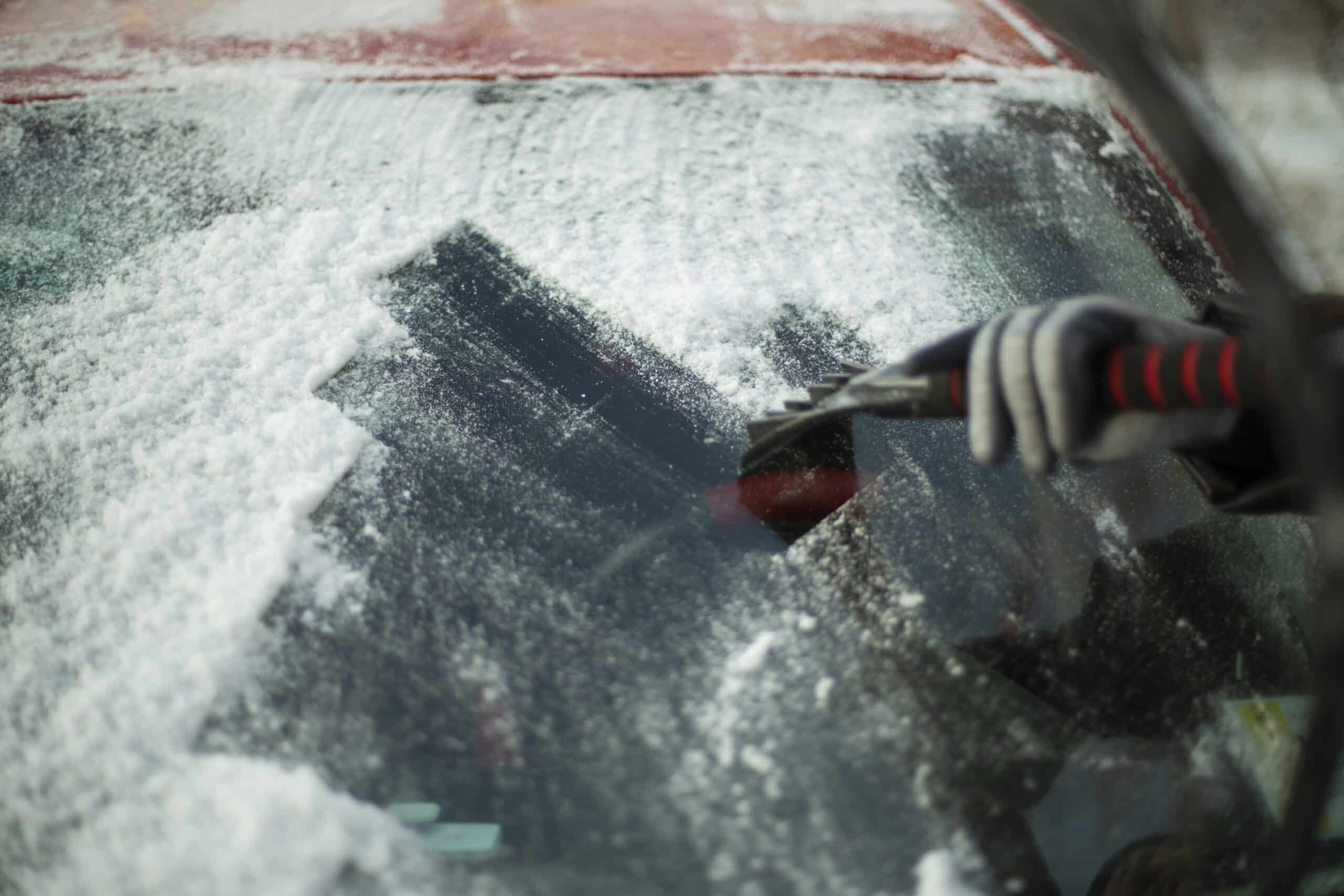
A scraped peephole in the windshield might feel good enough when you’re already running late. It isn’t. You can see straight ahead, but frost at the edges hides what’s coming from the side, like a child stepping off the curb or a car sliding through a stop sign.
Clear every window, both mirrors and all your lights before you shift into gear. Brush off the roof and hood, too.
Even if the shelf of snow on top of your roof won’t affect your driving, snow flying off into another driver’s windshield will affect theirs. Treat it like the golden rule and clean off your entire car.
2. Driving Too Fast and Too Close
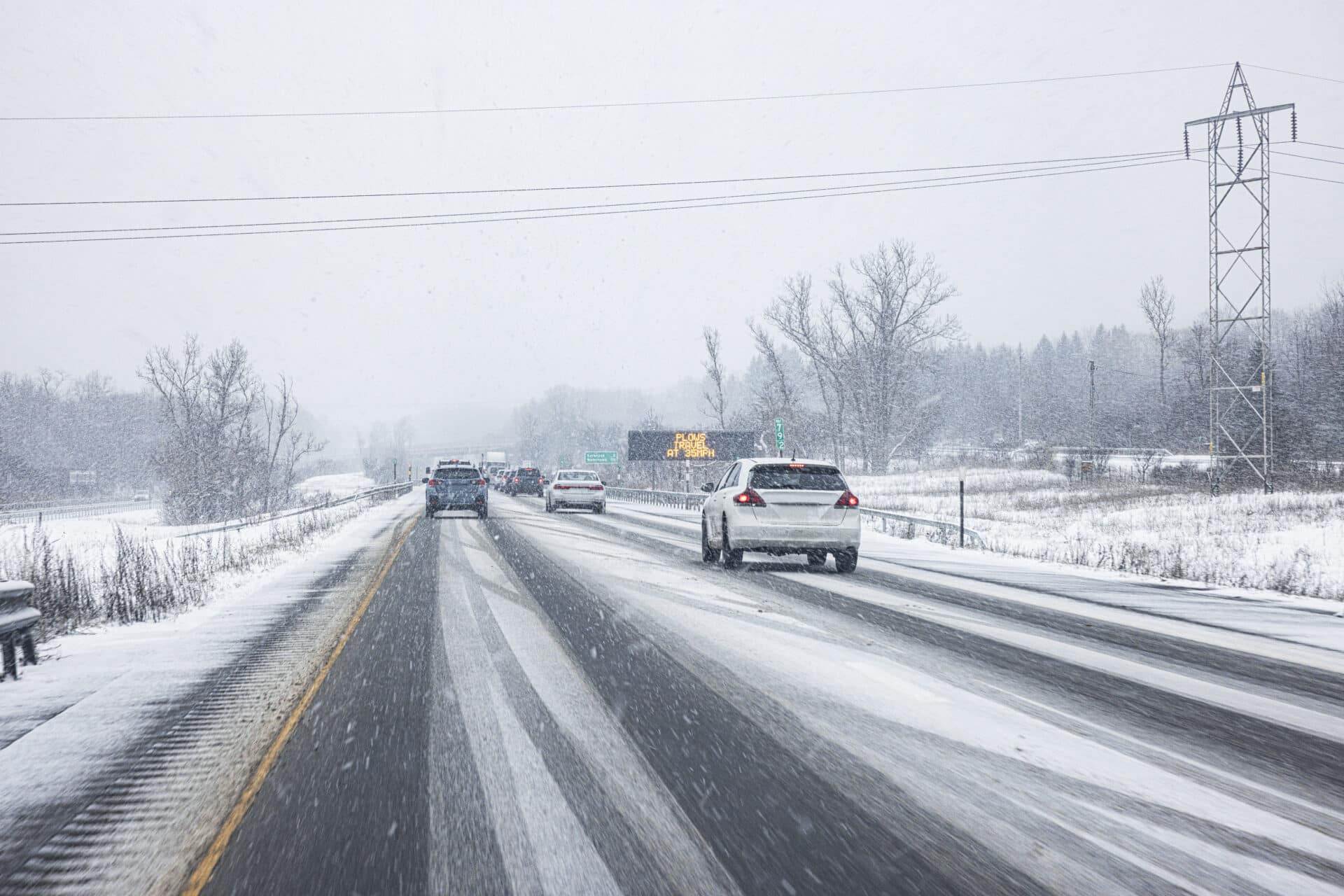
The posted speed limit is intended for dry pavement, not a target for a slick one. On I-64, I-70, I-270 and I-55, traffic often holds its usual pace until the moment it doesn’t, and drivers who match that pace leave themselves almost no time to react.
AAA recommends stretching your following distance from the usual three to four seconds to eight to 10 seconds on snowy or icy roads. To check, note when the car ahead passes a sign or overpass, then count until you reach it. Start braking earlier for exits, intersections and the inevitable rush-hour backup.
3. Trusting a Road That Only Looks Wet
Black ice is a thin, clear glaze that looks like ordinary wet pavement. It often forms overnight and can linger well into the morning commute, especially in shaded spots and on ramps.
Bridges and overpasses tend to freeze first because cold air reaches them from above and below. In the St. Louis area, that means extra caution while on the Poplar Street Bridge, the Stan Musial Veterans Memorial Bridge, the Blanchette Bridge on I-70 and the Clark Bridge in Alton, plus the elevated ramps at major interchanges, like I-64 at I-270 or I-64 at I-170.
When temperatures hover near freezing, treat any shiny patch as ice. Ease off the gas, keep the wheel steady and avoid sudden braking until you’re back on solid pavement.
4. Buckling Kids In Over Puffy Coats
This mistake happens before you even get on the road, and it’s one a lot of parents don’t think about.
In a crash, the padding in a puffy coat or snowsuit compresses, which can leave a car seat harness too loose to hold a child securely. The National Highway Traffic Safety Administration (NHTSA) and the American Academy of Pediatrics both advise against bulky clothing under the harness.
Try this quick check, recommended by Consumer Reports’ car seat experts:
-
- Buckle your child in with the coat on and tighten the harness until you can’t pinch any slack in the strap.
- Without loosening the harness, take your child out and remove the coat.
- Buckle them back in. If you can now pinch extra strap, the coat is too bulky to wear under the harness.
To keep kids warm, dress them in thin layers like fleece, then lay a blanket over the buckled harness or put their coat on backward over the straps. Warming up the car first helps too, as long as it’s outside, never in a closed garage.
5. Putting Off Tire Inflation Checks
Tires are the only part of your car that touches the ground, so their condition matters more in winter than at any other time of year.
According to AAA, tire pressure drops about 1 PSI for every 10-degree Fahrenheit fall in temperature. Tires set on a 60-degree October afternoon can be noticeably low on a 20-degree December morning, even without a leak.
Check their pressure monthly and after big temperature swings, using the number on the sticker inside the driver’s door, not the maximum printed on the tire.
While you’re adding air, check for worn or uneven tread and any cracks or bulges in the sidewall, all of which can cause serious problems on winter roads.
6. Heading Out Without Checking Conditions or Having A Winter Kit
Weather across the metro rarely behaves as one system. St. Charles County, downtown St. Louis and the Metro East can see different conditions on the same morning, and major highways are usually treated before neighborhood streets and back roads.
Before heading out, check MoDOT’s Traveler Information Map for Missouri roads and IDOT’s Getting Around Illinois site for the Illinois side. If conditions look bad, leave later, choose a better-treated route or postpone the trip.
It also helps to keep a basic winter kit in the car: an ice scraper, jumper cables, a phone charger, a flashlight, water and snacks. If kids ride with you, add a blanket and spare hats and gloves. A minor slide-off is much easier to wait out when everyone is warm and fed. For a full list of items to include in your Winter Kit, check out our post: 5 Things Every Driver Should Keep in Their Car This Winter
Small Habits, Safer Trips
Most of these mistakes take only a minute or two to avoid: a fully cleared windshield, a few extra car lengths, a quick pinch test before pulling out of the driveway. On an icy morning, those couple of minutes can make a big difference for your family’s safety.
And when a storm is on the way, the safest trip is often the one you skip. Get your panic-shopping done before the first flakes fall, then enjoy some time with your family from the warm side of the window. If you don’t have to leave, stay home, and leave the roads to the snowplows and emergency crews.
Supporting Safer Roads in St. Louis
OnderLaw believes education and awareness help keep local families safe. Even careful drivers can be hurt when someone else is negligent behind the wheel.
If you or someone you love has been injured in a car accident, OnderLaw offers free case reviews to help you understand your legal options.
The choice of a lawyer is an important decision and should not be based solely upon advertisements. This article is for general information and is not legal advice; reading it does not create an attorney-client relationship.