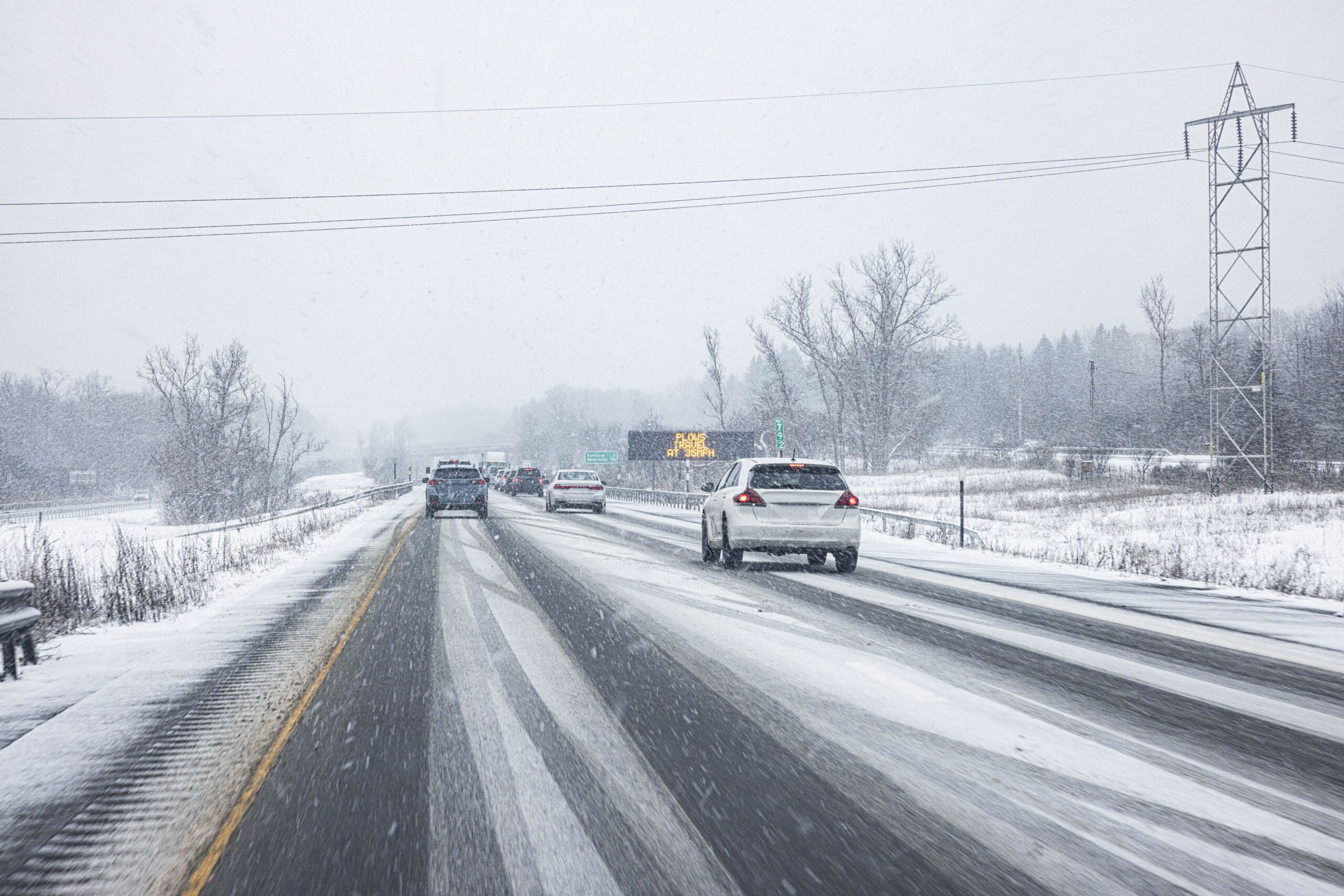
A slide-off, a dead battery or a fender bender can turn a short drive into a long, cold wait. A few items in the trunk make that wait safer for St. Louis-area drivers and the people riding with them.
Most winter trouble on the road isn’t dramatic. It’s a car that won’t start in a grocery store lot, a slow slide into a ditch on a back road in Jefferson County, or a minor rear-end crash on an icy I-270 ramp. Then comes the wait for a tow truck that’s already booked with a dozen other calls.
What you have in the car during that wait matters. The National Highway Traffic Safety Administration (NHTSA) recommends every driver keep a winter emergency kit on board, and most of it fits in a single plastic bin. Here are the five things worth packing first.
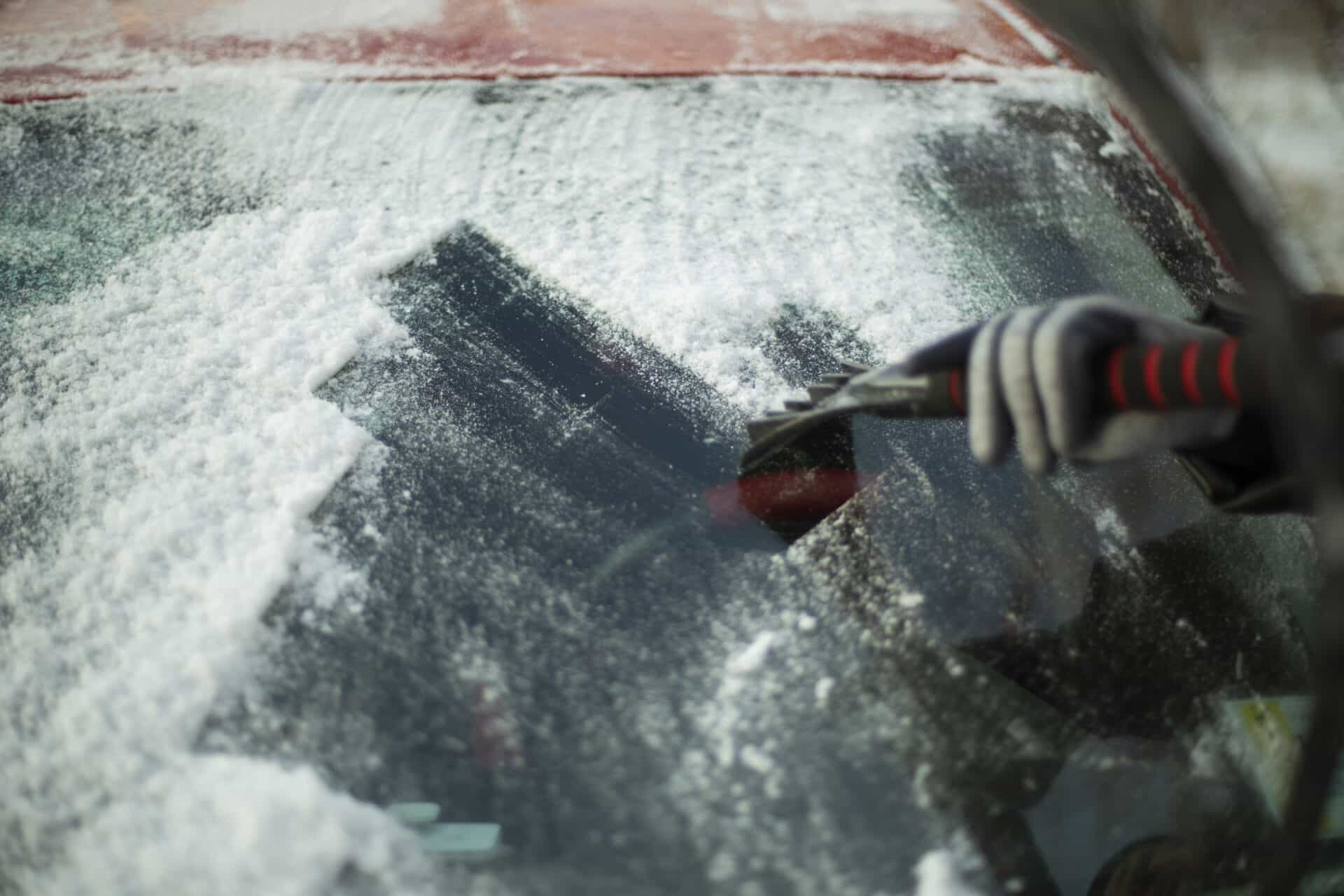
1. An Ice Scraper and Snow Brush
It sounds obvious until the morning you can’t find one and end up clearing the windshield with a credit card. A sturdy scraper with a brush on the other end lets you clear every window, mirror and light before you pull out, not just a peephole in the glass. An extendable one makes it easier to clear snow off the roof, too.
Keep it inside the car, not in the trunk, in case ice seals the trunk lid shut. If you have room, add a small folding shovel. It can dig out a tire, clear snow from around the car, or uncover a buried exhaust pipe if you get stuck.
2. Warm Blankets and Extra Layers
Your car starts losing heat the second the engine is turned off. If you’re waiting on the shoulder for help, a couple of blankets can make the difference between uncomfortable and dangerous, especially for kids and older passengers.
Pack at least one blanket per regular passenger, plus spare hats, gloves and dry socks. Wool or fleece blankets work well, and foil emergency blankets fold down small enough for a glove box. Blankets do double duty for families, too: buckling kids in wearing thin layers with a blanket over the harness is safer than putting them in wearing bulky coats. Learn more about other common winter driving mistakes with our article on the topic.
3. A Flashlight and Basic Emergency Supplies
With fewer daylight hours during the winter, there’s a better chance a breakdown happens after dark. A flashlight with fresh batteries lets you check a tire, find a dropped key or signal for help. LED headlamps are even better because they leave both hands free.
Store it with a few other emergency basics NHTSA recommends:
-
- Jumper cables, since cold weather is hard on car batteries
- Reflective triangles or road flares to warn traffic you’re broken down
- A first aid kit, plus any medicine you or your passengers might need in an emergency, like an epinephrine auto-injector or inhaler. Bring those with you each trip rather than storing them in a cold car, since freezing temperatures can potentially make them less effective.
4. A Portable Phone Charger
Your phone is how you call for help, share your location and let family know you’re OK. But cold drains phone batteries faster, and a car charger only works when your car’s battery has a charge.
A charged portable battery pack solves both problems. Recharge it every few weeks so it’s ready when you need it, and keep a charging cable stored with it. On the coldest days, carry it in your bag or coat pocket, since battery packs also lose charge in the cold. If you’re stranded, save battery by closing apps you don’t need and turning down screen brightness.
5. A Physical Insurance Card and a Way to Document a Crash
This is the one most people forget. If you’re in a winter crash, the minutes right afterward are when the most useful information is easiest to collect.
Keep a physical copy of your current insurance card and registration somewhere easy to reach, along with a pen and a small notepad in case your phone dies. After a crash, if it’s safe to do so, write down the other driver’s name, insurance details and plate number, then photograph the vehicles, the road surface and any ice, signs or traffic signals nearby. Those details are hard to rebuild days later, once the snow has melted and your memory fades.
Room for More? Add These
If there’s space in the bin, NHTSA also suggests a bag of sand or kitty litter to give stuck tires some traction, plus bottled water and non-perishable snacks. A granola bar goes a long way when a 20-minute wait turns into several hours.
If You Do Get Stranded
A kit only helps if you use it safely. If your car slides off the road or breaks down in bad weather:
-
- Stay with your vehicle unless it’s in a dangerous spot. It’s easier for help to find you, and it keeps you out of the wind and snow.
- Turn on your hazard lights and call 911 or roadside assistance to share your location.
- Clear snow from the exhaust pipe before running the engine to prevent carbon monoxide buildup.
- If you expect to be stuck for an extended period and need to conserve gas, run the engine and heater for about 10 minutes each hour, with a window cracked slightly for fresh air while the engine is running.
- Bundle up in your blankets and keep the windows closed while the engine is off.
Five Minutes Now, Fewer Problems Later
Putting this kit together takes less time than scraping a frosted windshield. Pack it once, toss it in the trunk and check it each fall when you change your clocks. On the day you need it, you’ll be glad it’s there. For more cold-weather tips, see 6 Winter Driving Mistakes That Put Families at Risk.
Supporting Safer Roads in St. Louis
St. Louis-based OnderLaw believes education and awareness help keep local families safe. Even prepared drivers can be hurt when someone else is negligent behind the wheel.
If you or someone you love has been injured in a car accident, OnderLaw offers free case reviews to help you understand your legal options.
The choice of a lawyer is an important decision and should not be based solely upon advertisements. This article is for general information and is not legal advice; reading it does not create an attorney-client relationship.