St. Louis Roundup Cancer Attorneys

A non-Hodgkin’s lymphoma diagnosis brings devastating uncertainty, particularly when you suspect years of Roundup use may have caused your cancer. Medical bills accumulate while treatment leaves you too exhausted to work, and insurance companies demand documentation you lack the energy to compile. You face immediate worries about affording chemotherapy, supporting your family during recovery, and understanding whether anyone can be held accountable for your suffering.

We are no longer accepting new clients for Roundup.

$5B+
Won In Negotiated Settlements
Top 1%
Trial Lawyers In The USA
1200+
5 Star Reviews Nationwide
A smiling, middle-aged man with short, light hair, wearing a dark suit, white shirt, and light blue tie, standing against a plain white background.

Let Us Make Your Case, Our Cause

Our team offers a free consultation with no upfront costs—you pay nothing unless we secure compensation on your behalf. Call (314) 408-6136 to speak with attorneys who have guided hundreds of Missouri families through Roundup cancer claims, helping them obtain the resources needed while they focus on healing. We understand the unique challenges facing glyphosate exposure victims because we’ve spent years building cases that connect scientific evidence to individual stories of harm.

James Onder Attorney OnderLaw | Photo Jim Onder

Onder Wins

Unlike many firms that treat clients like case numbers, we provide direct attorney access throughout your case, ensuring you work with experienced lawyers who understand both the legal complexities and personal challenges you’re facing after a serious collision.

  • $5+ Billion In Negotiated Settlements
  • $300M+ In Jury Verdicts
  • Voted Best Law Firm In St. Louis 
Personal Injury Case Consultation

“Every case is an opportunity to protect someone else’s family from tragedy”

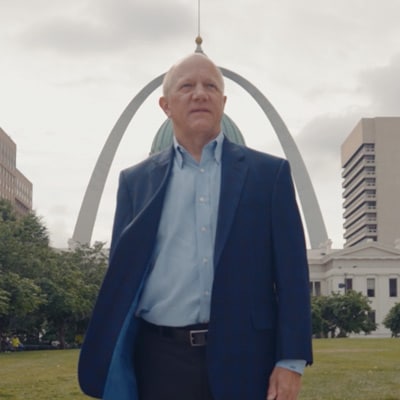
Attorney Jim Onder in Downtown St. Louis in front of the courthouse
Jim Onder
Founder & Managing Partner

The Science Behind Roundup Cancer Claims

Roundup cancer claims rest on decades of scientific research establishing glyphosate’s potential to cause cancer, supported by international health organizations and independent studies linking the herbicide to non-Hodgkin’s lymphoma.

IARC Classification

In 2015, the World Health Organization’s International Agency for Research on Cancer (IARC) classified glyphosate as a probable human carcinogen after comprehensive analysis of laboratory studies demonstrating that the chemical damages human DNA and chromosomes, creating cellular mutations that lead to cancer development.

Increased NHL Risk

A meta-analysis published in Environmental Health Journal examined multiple studies involving agricultural workers and found that individuals with high glyphosate exposure face a 41% increased risk of developing NHL, particularly among those who used Roundup products regularly over extended periods. The mechanism involves oxidative stress at the cellular level, where glyphosate overwhelms the body’s natural defense systems and allows damaged cells to multiply unchecked.

Corporate Knowledge

Internal company documents revealed during litigation exposed what many victims suspected—Monsanto knew about potential cancer risks decades before public disclosure, manipulating research and regulatory processes to keep their product on the market while prioritizing sales over consumer protection.

OnderLaw Recent Case Results

Our greatest results have been the relationships we’ve forged with clients we’ve helped and the lives they’ve achieved after horrific accidents with the settlements our work brought about.

Every case is different and handled differently, but we are proud of what we have accomplished on behalf of previous clients. From multi billion dollar mass tort settlements to individual personal injury verdicts, we fight for every penny of compensation our clients deserve.

Past results do not guarantee future outcomes, every case is different*

Recent victories creating lasting change across Missouri

Understanding Non-Hodgkin’s Lymphoma from Roundup Exposure

Disease Overview

Non-Hodgkin’s lymphoma represents a complex family of blood cancers encompassing over 60 distinct subtypes that attack the body’s lymphatic system in different ways. The disease typically begins when glyphosate-damaged lymphocytes—white blood cells crucial for immune function—mutate and multiply uncontrollably, forming tumors in lymph nodes, bone marrow, and organs throughout the body. B-cell lymphomas represent approximately 85% of cases linked to Roundup exposure in published studies.


NHL Subtypes Linked to Roundup

The specific subtypes most strongly associated with glyphosate include diffuse large B-cell lymphoma, follicular lymphoma, and chronic lymphocytic leukemia, each requiring different treatment approaches and carrying varying prognoses that significantly impact both medical outcomes and legal compensation calculations.

Diagnosis Process

Diagnosis typically involves physical examination for swollen lymph nodes, blood tests revealing abnormal lymphocyte counts, imaging studies to identify tumor locations, and ultimately lymph node biopsy to confirm the cancer type and stage. Because symptoms often mimic less serious conditions like seasonal allergies or minor infections, many Roundup victims experience frustrating delays before receiving proper NHL identification.

Recognizing NHL Symptoms

The earliest warning signs of non-Hodgkin’s lymphoma often appear as painless swelling in lymph nodes located in the neck, armpits, or groin—areas many people dismiss as temporary reactions to minor infections. As the disease progresses, systemic symptoms emerge including persistent fever without identifiable infection, drenching night sweats that require changing bedclothes, unexplained weight loss exceeding 10% of body weight within six months, and crushing fatigue that rest doesn’t relieve. For anyone who used Roundup regularly over multiple years, these symptoms warrant immediate medical evaluation and honest discussion with your physician about herbicide exposure history.

Documentation Importance

Keeping detailed records of symptom progression, medical appointments, diagnostic tests, and how symptoms impact your daily activities strengthens your case by demonstrating the full scope of harm caused by glyphosate exposure. Documenting when symptoms first appeared, how they’ve changed over time, and what prompted you to seek medical attention creates a medical record that may prove essential if you later pursue legal action.

Led by Attorneys Who Believe in Causes,
Not Just Cases

Our Personal Injury Attorneys have decades of experience transforming personal tragedies into wins for our clients.

Who Faces Highest Risk from Roundup in Missouri

Missouri’s agricultural economy and extensive public green spaces create widespread glyphosate exposure risks that many residents never fully appreciated until cancer diagnoses forced them to examine their herbicide contact history. The state’s 95,000 farms use glyphosate-based herbicides on millions of acres annually according to Missouri Department of Agriculture data (2023), with agricultural workers who mixed, loaded, and sprayed Roundup products facing the highest exposure levels.

Agricultural Workers

Agricultural workers who mixed, loaded, and sprayed Roundup products face the highest exposure levels on Missouri’s 95,000 farms using glyphosate-based herbicides on millions of acres annually.

Commercial Landscapers

Commercial landscapers maintained commercial properties and often handled Roundup daily during growing seasons, absorbing glyphosate through skin contact, inhalation of spray drift, and contaminated clothing.

Golf Course Crews

Golf course maintenance crews at area country clubs used the herbicide extensively to maintain pristine fairways and greens, often applying concentrated formulations multiple times weekly during peak season.

Parks & Municipal Workers

Parks department workers for St. Louis County and surrounding municipalities used industrial-strength Roundup formulations for maintaining hundreds of parks and athletic fields, while school district groundskeepers applied Roundup around playgrounds and sports fields where students played.

Learn More

Residential Users

Residential exposure, while typically involving lower concentrations than occupational contact, still poses significant risks for homeowners who applied Roundup regularly over many years, especially those who mixed concentrated formulations without proper protective equipment.

Roundup Verdict History and Settlement Values

Landmark Verdicts

The legal landscape for Roundup cancer claims shifted dramatically with groundbreaking jury verdicts that validated the scientific evidence linking glyphosate to non-Hodgkin’s lymphoma. The first bellwether trial resulted in a $289 million verdict for California groundskeeper Dewayne Johnson in 2018, sending shockwaves through Bayer’s corporate boardroom. Subsequent trials produced even larger verdicts, including $2 billion for the Pilliod couple in 2019 and $80 million for Edwin Hardeman.

Global Settlement and Pending Cases

These verdicts prompted Bayer to announce a $10 billion global settlement in 2020 covering approximately 100,000 existing claims in negotiated settlements, though roughly 67,000 cases remain pending as of mid-2025. Most recently, a Missouri appeals court upheld a $611 million verdict in May 2025, demonstrating that juries continue finding Monsanto liable for hiding cancer risks from consumers.

How Compensation Is Calculated

Determining appropriate compensation for Roundup cancer victims involves complex calculations that consider both economic damages and non-economic suffering caused by glyphosate exposure. Economic damages include past and future medical expenses for chemotherapy, radiation, stem cell transplants, and ongoing monitoring; lost wages during treatment and reduced earning capacity if cancer prevents returning to previous work; and out-of-pocket costs for travel to treatment centers and home health care. Non-economic damages compensate for physical pain, emotional distress, loss of life enjoyment, and shortened life expectancy.

Factors Affecting Settlement Value

The strength of exposure evidence significantly influences settlement values, with occupational cases involving documented Roundup use over many years typically receiving higher compensation than residential exposure claims. Your NHL subtype and prognosis also affect valuation, as aggressive lymphomas requiring intensive treatment and carrying poor survival rates may warrant greater compensation than slow-growing variants that respond well to therapy. In practice, most Roundup claims resolve through negotiated settlements rather than trial verdicts, with settlement amounts reflecting the strength of your evidence, the severity of your illness, and your attorney’s ability to present compelling proof that glyphosate caused your cancer. Understanding how product liability law applies to Roundup cases helps victims evaluate their legal options.

The Roundup Regulatory Battle: EPA vs IARC

The conflicting positions of regulatory agencies regarding glyphosate’s cancer risk creates confusion for victims while providing Bayer with defense arguments that juries increasingly reject. While the International Agency for Research on Cancer classified glyphosate as a probable carcinogen based on comprehensive scientific review, the Environmental Protection Agency maintains that glyphosate poses no cancer risk when used according to label directions. This regulatory split extends globally, with European nations implementing glyphosate restrictions or bans while other countries follow EPA’s permissive approach.

California’s addition of glyphosate to its Proposition 65 list of known carcinogens requires cancer warnings on Roundup products sold in the state, though Bayer continues fighting this requirement in federal court. The ongoing regulatory controversy impacts litigation as defense attorneys cite EPA’s position to argue their product is safe, while plaintiff attorneys present evidence that Monsanto manipulated regulatory processes through ghostwritten studies and attacks on scientists who identified cancer risks.


Filing Your Roundup Cancer Claim in Missouri

Missouri law provides a five-year statute of limitations for product liability claims under RSMo § 516.120(4), meaning you must file your Roundup lawsuit within five years of your non-Hodgkin’s lymphoma diagnosis or when you reasonably should have discovered the connection between your cancer and glyphosate exposure. For wrongful death claims when NHL proves fatal, Missouri law requires filing within three years of death under RSMo § 537.080 et seq., making prompt legal consultation essential for surviving family members.

  1. Gather Medical Documentation

    Successfully pursuing a Roundup cancer claim requires comprehensive documentation including medical records confirming your NHL diagnosis and subtype.

  2. Document Roundup Exposure

    Evidence of Roundup use such as purchase receipts, employment records, or photographs showing you using the product strengthens your claim.

  3. Secure Expert Testimony

    Expert testimony linking your specific exposure pattern to cancer development is essential for establishing causation.

  4. File in Appropriate Court

    The Eastern District of Missouri has handled numerous Roundup cases, with judges familiar with the scientific evidence and legal arguments that determine case outcomes.

Proving Roundup Exposure for Your Claim

Establishing your Roundup exposure history forms the foundation of a successful cancer claim, requiring strategic evidence gathering when decades have passed since initial use.

Employment Records

Employment records from landscaping companies, farms, or maintenance departments provide powerful proof of occupational exposure, especially when supplemented by coworker affidavits describing shared Roundup use and company purchase orders for glyphosate products.

Residential Use Documentation

For residential users, credit card statements, hardware store loyalty program records, and old photographs showing Roundup products in your garage or you spraying weeds help reconstruct exposure patterns that may span twenty or thirty years.

Witness Statements

Witness statements from family members, neighbors, or coworkers who observed your Roundup use provide corroborating evidence, particularly when they describe frequency of use, mixing practices, and whether you wore protective equipment during application. Similar documentation strategies apply to other defective product cases where proving exposure history is critical.

Establishing your Roundup exposure history forms the foundation of a successful cancer claim, requiring strategic evidence gathering when decades have passed since initial use.

What Our Clients Say

I highly recommend Mr. Onder. He is an excellent attorney and addresses client issues and concerns in a fast and efficient manner, answers any questions we have, and keeps us informed about the progress of our case.

Bill

The firm was very willing to hear my problems and discuss with me even though I was not qualified for a case. Their staff spent about 30 minutes with me discussing records and diagnosis and I appreciate them trying to help me.

Andy

I was in a bad car accident where I was hit, and my car flipped and almost crushed and calling Jim Onder was the BEST DECISION I made to help me get what I deserved (it was the other cars fault and witnesses will say it also) for everything that I went through. Beside all my physical pain I was having a hard time dealing with things after the accident and the insurance company and I missed lots of work. I don't know how I would have dealt with it...

Karly

I have known Jim Onder and his team for a few years now. I have always been impressed by the way they take care of their clients. It's not always about the case, but the individual. I would recommend anyone seeking legal counsel to give Jim and his team a call.

John

I don't have enough words to describe how amazing the experience with this firm was. They work very hard to make sure you have winning results. I could not have asked for better services. From the moment I first called until my case was over, I was at ease that I had made the right choice.

Mike

Frequently Asked Questions About Roundup Cancer Claims

How much Roundup exposure causes cancer?

Studies suggest regular exposure over 2+ years increases NHL risk by 41%, with no established “safe” threshold for glyphosate exposure according to independent research. The duration and frequency of contact matter more than single incidents, meaning consistent use over many years poses greater risk than occasional application.

What's the average Roundup settlement amount in 2025?

Individual settlements in negotiated resolutions range from $50,000 to $250,000+ depending on exposure level, NHL severity, and age, though severe cases involving young victims with aggressive lymphomas and strong exposure evidence may receive substantially higher compensation. Settlement values reflect the unique circumstances of each case rather than a standard formula.

Can I file a Roundup claim if I used it residentially?

Yes, residential users with documented NHL diagnosis and regular Roundup use may be able to file claims, though occupational cases typically present stronger evidence of sustained contact and higher glyphosate concentrations. Homeowners who applied Roundup frequently over many years have successfully pursued compensation.

How long do I have to file a Roundup lawsuit in Missouri?

Missouri’s 5-year statute of limitations for product liability applies under RSMo § 516.120(4), starting from NHL diagnosis or discovery of the Roundup connection, though earlier filing preserves evidence and witness testimony. Wrongful death claims must be filed within three years of death.

What evidence do I need for a Roundup cancer claim?

Medical records showing NHL diagnosis, proof of Roundup use through receipts, photos, or employment records, and exposure timeline documentation strengthen your claim significantly. Witness statements from people who observed your herbicide use and expert testimony linking your exposure to cancer development may also be necessary.

Why Choose OnderLaw  

Our extensive resources allow us to hire the best experts, conduct thorough investigations, and fight cases through trial when necessary, unlike smaller firms that may pressure you to accept inadequate settlements due to their own financial constraints. With offices in St. Louis serving both Missouri and Illinois clients, we understand the local courts, judges, and defense attorneys, giving us strategic advantages that out-of-state firms simply can’t match in pursuing your claim.

$5B+
In Negotiated Settlements
$500M+
In Jury Verdicts
Attorney Jim Onder in Downtown St. Louis in front of the courthouse

Get Started with Your Roundup Cancer Claim Today

If you or someone you love developed non-Hodgkin’s lymphoma after Roundup exposure, you deserve answers, accountability, and compensation for your suffering. Contact our team at (314) 408-6136 for a free, confidential consultation about your rights and options moving forward—we handle cases with no upfront costs, meaning you pay nothing unless we secure compensation on your behalf. Our experience with dangerous product litigation ensures your case receives the thorough attention it deserves.

24/7
Call Us Anytime
$0
Zero Upfront Costs

Contact Our Attorneys Now

Our free consultation helps you understand your rights and options.

    This site is protected by reCAPTCHA and the Google Privacy Policy and Terms of Service apply.