cars on the open road The facade of a classical government building with tall columns and a sculpted pediment. The phrase “EQUAL JUSTICE UNDER LAW” is inscribed above the entrance. The sky is lightly clouded above.

St. Louis Social Security Disability Attorneys

When a disability prevents you from working, the financial pressure can feel overwhelming while medical bills pile up and income disappears. You may be wondering how you’ll support your family, keep your home, or afford the medical care you desperately need. At OnderLaw, we understand these fears because we’ve helped thousands of disabled workers in St. Louis and throughout Missouri navigate the complex Social Security disability system.

$5B+
Won In Negotiated Settlements
Top 1%
Trial Lawyers In The USA
1200+
5-Star Reviews Nationwide

Case Evaluation

Tell us about your situation to see if you have a case.

    This site is protected by reCAPTCHA and the Google Privacy Policy and Terms of Service apply.

    Let Us Make Your Case, Our Cause

    Whether you’re just starting your disability application or fighting a denial, having the right legal representation can make the difference between financial security and continued struggle. According to SSA data, the Social Security Administration denies approximately 70% of initial applications, often for technical reasons that have nothing to do with the severity of your condition.

    Our attorneys understand the medical evidence requirements, deadline management, and hearing preparation strategies that lead to successful claims, serving clients throughout St. Louis, St. Louis County, and Southern Illinois with personalized attention while leveraging our national resources and experience. We combine local knowledge with proven strategies to maximize your chances of approval.

    James Onder Attorney OnderLaw | Photo Jim Onder

    Onder Wins

    Unlike many firms that treat clients like case numbers, we provide direct attorney access throughout your case, ensuring you work with experienced lawyers who understand both the legal complexities and personal challenges you’re facing after a serious collision.

    • $5+ Billion In Negotiated Settlements
    • $300M+ In Jury Verdicts
    • Voted Best Law Firm In St. Louis 
    Personal Injury Case Consultation

    “Every case is an opportunity to protect someone else’s family from tragedy”

    Attorney Jim Onder in Downtown St. Louis in front of the courthouse
    Jim Onder
    Founder & Managing Partner

    Understanding Social Security Disability Law in Missouri

    Missouri residents navigating disability benefits must understand both federal program requirements and state-specific provisions that affect eligibility, benefit amounts, and healthcare coverage.

    SSDI vs SSI

     Social Security Disability Insurance (SSDI) provides benefits to workers who have paid into the Social Security system through payroll taxes and earned sufficient work credits before becoming disabled, typically requiring 40 work credits with 20 earned in the last 10 years, though younger workers may qualify with fewer credits based on their age at disability onset. In contrast, Supplemental Security Income (SSI) serves disabled individuals with limited income and resources regardless of work history, making it available to those who haven’t worked enough to qualify for SSDI or whose SSDI benefits fall below SSI payment levels. According to the SSA Annual Statistical Report (2023), Missouri SSDI recipients receive an average monthly benefit of $1,493, while SSI federal maximum benefits for 2024 stand at $943 for individuals, though some disabled workers may qualify for both programs simultaneously if their SSDI payment falls below the SSI threshold.

    Missouri Statistics

    According to SSA data from 2023, approximately 184,298 disabled workers in Missouri receive SSDI benefits, with total disabled beneficiaries including dependents reaching 216,416 statewide, representing a significant portion of our population who rely on these critical benefits for basic necessities. In the St. Louis metropolitan area alone, an estimated 20,000 to 30,000 residents depend on disability benefits to meet their basic needs, though exact metro-level statistics vary by county and reporting period according to local demographic analyses. Processing times at Missouri disability determination offices currently average 3-6 months for initial decisions according to SSA (2024), while the St. Louis hearing office reports wait times of approximately 205 workdays—roughly 7-8 months—for Administrative Law Judge hearings based on the SSA Appeals Dataset (2024).

    Federal & State Laws

    Under Title II of the Social Security Act, SSDI operates as a federal insurance program with uniform eligibility standards nationwide, while SSI falls under Title XVI with its own distinct requirements for income, resources, and living arrangements that must be carefully navigated. Missouri made significant changes to how it treats Social Security benefits for tax purposes when the legislature amended RSMo §143.125 in August 2023, completely exempting all Social Security benefits from state income tax regardless of income level, providing additional financial relief to disabled residents. Additionally, Missouri operates as a “209(b) state” for Medicaid purposes, meaning SSI approval doesn’t guarantee automatic Medicaid eligibility—you must meet separate state requirements for healthcare coverage.

    OnderLaw Recent Case Results

    Our greatest results have been the relationships we’ve forged with clients we’ve helped and the lives they’ve achieved after horrific accidents with the settlements our work brought about.

    Every case is different and handled differently, but we are proud of what we have accomplished on behalf of previous clients. From multi-billion dollar mass tort settlements to individual personal injury verdicts, we fight for every penny of compensation our clients deserve.

    Past results do not guarantee future outcomes; every case is different.

    Recent victories creating lasting change across Missouri

    Types of Disability Cases We Handle in St. Louis

    While the Social Security Administration recognizes hundreds of potentially disabling conditions in their Blue Book listings, understanding how they evaluate different types of impairments helps build stronger claims that demonstrate the full impact of your limitations on work capacity. Our team has extensive experience presenting both physical and mental health conditions in ways that resonate with disability examiners and Administrative Law Judges, focusing on functional limitations rather than just diagnostic labels. Because many clients struggle with multiple health problems that individually might not qualify but together create total disability, we take a comprehensive approach to documenting all your limitations and their cumulative effect on your ability to maintain competitive employment.

    Physical Disabilities

    Physical impairments that prevent sustained work activity form the foundation of many successful disability claims in Missouri, particularly when properly documented with objective medical evidence and functional assessments. Musculoskeletal disorders, including severe back injuries, joint degeneration, and chronic pain conditions, represent the largest category of approved claims because they directly limit standing, walking, lifting, and other essential work-related activities that even sedentary jobs require. Cardiovascular conditions such as heart failure, coronary artery disease, and complications from heart attacks often qualify when they cause fatigue, shortness of breath, or chest pain that prevents consistent work attendance, especially when combined with medication side effects that further limit functioning. Respiratory illnesses including COPD, severe asthma, and pulmonary fibrosis can qualify when oxygen levels or breathing difficulties make even desk work impossible, while our team also handles complex cases involving cancer treatment side effects, autoimmune diseases like lupus and rheumatoid arthritis, neurological disorders including multiple sclerosis and Parkinson’s disease, and chronic conditions such as diabetes with severe complications affecting vision, circulation, or kidney function.


    Mental Health Disabilities

    Mental health conditions deserve the same serious consideration as physical disabilities, though they often face additional scrutiny during the evaluation process due to the subjective nature of psychological symptoms and the challenge of documenting invisible impairments. Depression and anxiety disorders can qualify for benefits when symptoms like concentration problems, social withdrawal, or panic attacks prevent maintaining employment despite treatment compliance, particularly when medication side effects compound functional limitations. Bipolar disorder, schizophrenia, and other psychotic disorders often meet disability criteria when mood swings, hallucinations, or paranoia interfere with workplace functioning and relationships, making it impossible to maintain the consistency and reliability that competitive employment demands. Post-traumatic stress disorder (PTSD) affects many veterans and trauma survivors in the St. Louis area, causing hypervigilance, flashbacks, and avoidance behaviors that make work environments unbearable, while autism spectrum disorders and intellectual disabilities may qualify based on communication difficulties, sensory sensitivities, or adaptive functioning limitations that prevent competitive employment even with accommodations.

    Combination Cases

     In practice, most successful disability claims involve multiple impairments that combine to prevent any type of substantial work activity, creating a synergistic effect where the whole becomes greater than the sum of its parts. For example, someone with moderate back pain might still perform sedentary work under normal circumstances, but when combined with depression and medication side effects causing drowsiness, even desk jobs become impossible to maintain with the consistency and reliability that employers require. The Social Security Administration must consider the cumulative effect of all your impairments working together, not just evaluate each condition in isolation, which requires skilled legal advocacy to ensure all limitations are properly documented and presented. This holistic evaluation becomes particularly important for older workers over 50, where grid rules recognize that adapting to new work becomes harder with age when combined with multiple health problems, potentially leading to approval even when younger workers with similar limitations might face denial.

    Led by Attorneys Who Believe in Causes,
    Not Just Cases

    Our Personal Injury Attorneys have decades of experience transforming personal tragedies into wins for our clients.

    Common Challenges in St. Louis SSDI Cases

    Missouri disability applicants face several recurring challenges that can derail otherwise valid claims without proper planning and legal guidance to navigate these complex issues. Understanding these common pitfalls helps you avoid mistakes while building the strongest possible case from the beginning, saving time and preventing unnecessary denials that delay desperately needed benefits.

    Working While Applying

    Substantial Gainful Activity (SGA) limits for 2024 stand at $1,550 monthly for non-blind individuals according to SSA guidelines (2024), with amounts over this threshold generally preventing approval regardless of medical severity. However, unsuccessful work attempts lasting less than 6 months, impairment-related work expenses that reduce countable income, and subsidized employment where your actual productivity falls below your pay rate may not count against you if properly documented and presented.

    Medical Treatment Gaps

    Consistent medical treatment creates the documentary evidence essential for proving disability, yet many applicants struggle to maintain regular care due to lack of insurance, inability to afford copays, or transportation barriers that prevent accessing healthcare. When treatment gaps exist despite your best efforts, documenting good reasons such as financial hardship, medication side effects that made treatment intolerable, or inability to travel due to your conditions helps explain why you haven’t followed all recommended treatments.

    Coordinating Benefits

    Multiple benefit programs often intersect for disabled workers, creating complex coordination requirements that affect both eligibility and payment amounts. Workers’ compensation settlements can trigger SSDI offsets unless properly structured using Missouri’s lifetime proration provisions. Long-term disability insurance from private employers typically requires applying for SSDI as a condition of receiving benefits, with insurers offsetting their payments by the Social Security amount.

    Working While Applying

    Substantial Gainful Activity (SGA) limits for 2024 stand at $1,550 monthly for non-blind individuals according to SSA guidelines (2024), with amounts over this threshold generally preventing approval regardless of medical severity. However, unsuccessful work attempts lasting less than 6 months, impairment-related work expenses that reduce countable income, and subsidized employment where your actual productivity falls below your pay rate may not count against you if properly documented and presented.

    Medical Treatment Gaps

    Consistent medical treatment creates the documentary evidence essential for proving disability, yet many applicants struggle to maintain regular care due to lack of insurance, inability to afford copays, or transportation barriers that prevent accessing healthcare. When treatment gaps exist despite your best efforts, documenting good reasons such as financial hardship, medication side effects that made treatment intolerable, or inability to travel due to your conditions helps explain why you haven’t followed all recommended treatments.

    Coordinating Benefits

    Multiple benefit programs often intersect for disabled workers, creating complex coordination requirements that affect both eligibility and payment amounts. Workers’ compensation settlements can trigger SSDI offsets unless properly structured using Missouri’s lifetime proration provisions. Long-term disability insurance from private employers typically requires applying for SSDI as a condition of receiving benefits, with insurers offsetting their payments by the Social Security amount.

    Common Reasons for Denial in Missouri

    Understanding why the Social Security Administration denies claims helps avoid preventable mistakes that delay benefits for deserving applicants who genuinely cannot work.

    Insufficient Medical Evidence

    Insufficient medical evidence remains the leading cause of denial, particularly when applicants rely solely on their own descriptions of symptoms without objective medical documentation supporting functional limitations, making regular medical treatment and thorough documentation essential even when finances are tight.

    Failure to Follow Prescribed Treatment

    Failure to follow prescribed treatment without good cause—such as inability to afford medication or severe side effects—gives the SSA grounds to deny benefits under the assumption that proper treatment might restore work capacity, though we can help document valid reasons for non-compliance.

    Income Over SGA Limits

    Income over Substantial Gainful Activity limits, currently $1,550 monthly for non-blind individuals in 2024 according to SSA guidelines, automatically disqualifies applicants regardless of their medical conditions’ severity, making careful work planning crucial during the application process.

    Duration Requirements

    Duration requirements mandate that disabilities must last or be expected to last at least 12 months or result in death, eliminating coverage for temporary conditions even when severely disabling in the short term, which is why timing your application correctly matters.

    Understanding why the Social Security Administration denies claims helps avoid preventable mistakes that delay benefits for deserving applicants who genuinely cannot work.

    The SSDI Application Process in St. Louis

    Starting your Social Security disability claim correctly can mean the difference between approval in months versus years of appeals and financial hardship that strains your family and depletes your resources.

    1. Meet Work Credit Requirements

      Generally, you need 40 credits total with 20 earned in the last 10 years before disability onset, though workers who become disabled before age 31 may qualify with as few as 6 credits depending on their age and work history.

    2. Gather Medical Documentation

      Medical documentation forms the heart of your application, requiring detailed records from all treating physicians, hospitals, and clinics that show diagnosis, treatment history, response to treatment, and specific functional limitations caused by your conditions—not just your subjective complaints but objective findings that support your inability to work.

    3. Document Employment History

      Employment history documentation must cover the last 15 years, including job titles, duties performed, physical and mental demands, earnings, and reasons for leaving each position, helping vocational experts understand what skills you possess and whether any transferable skills exist for other work.

    4. Submit Complete Application

      Our team assists with gathering evidence by requesting medical records directly from providers, obtaining detailed statements from treating physicians about your limitations, coordinating functional capacity evaluations when needed, and ensuring all forms accurately reflect the full extent of your disability.

    How Much Does a Social Security Disability Lawyer Cost?

    Understanding attorney fees for disability cases helps you make informed decisions about representation without financial worry during an already stressful time when money is tight and uncertainty is high. Federal law strictly regulates Social Security disability attorney fees, capping them at 25% of past-due benefits or $7,200, whichever is less, according to SSA regulations updated in 2022, ensuring that legal representation remains accessible regardless of your financial situation.

    This contingency fee structure means you pay nothing upfront and owe no attorney fees unless we win your case and secure back benefits from your disability onset date, eliminating financial risk while ensuring your attorney is motivated to achieve the best possible outcome. Our team advances all case costs including medical record requests, expert opinions when needed, and hearing preparation expenses, recovering these only from successful outcomes rather than requiring upfront payment that many disabled individuals simply cannot afford.

    The value of experienced legal representation becomes clear when examining approval statistics showing represented claimants succeed at significantly higher rates than those without attorneys at every stage of the process, from initial applications through federal court appeals.

    The Appeals Process for Denied Claims

    When the Social Security Administration denies your disability claim, the appeals process offers multiple opportunities to present additional evidence and correct errors that led to denial, though each level requires strategic planning and thorough preparation. Because each appeal level has strict 60-day deadlines that cannot be extended except in rare circumstances involving extraordinary situations, acting quickly with experienced legal representation becomes crucial for preserving your rights.

    1. Reconsideration

      The reconsideration stage provides your first opportunity to challenge an initial denial by having a different examiner review your complete file along with any new evidence submitted. While reconsideration approval rates remain low—typically under 15% nationally—this stage allows you to strengthen your medical record, obtain specialist opinions, and correct any technical errors from your initial application.

    2. Administrative Law Judge Hearing

      Administrative Law Judge hearings represent your best statistical chance for approval, with national approval rates approaching 50% for represented claimants compared to under 25% for those without attorneys. The St. Louis Office of Hearings Operations conducts these hearings either in person at their downtown location or via video conference, allowing you to testify about your conditions while your attorney presents medical evidence and questions vocational experts.

    3. Appeals Council Review

      Appeals Council review follows unfavorable ALJ decisions, though the Council accepts only about 15% of cases for review, typically those involving clear legal errors or abuse of discretion by the judge that affected the outcome. Even when the Appeals Council declines review, their decision triggers your right to file suit in federal court.

    4. Federal Court Appeal

       Federal court appeals to the Eastern District of Missouri must be filed within 60 days of the Appeals Council decision, requiring payment of a filing fee according to current court costs (2024), though fee waivers are commonly granted for low-income plaintiffs who cannot afford this expense.

    What Our Clients Say

    I highly recommend Mr. Onder. He is an excellent attorney and addresses client issues and concerns in a fast and efficient manner, answers any questions we have, and keeps us informed about the progress of our case.

    Bill

    The firm was very willing to hear my problems and discuss with me even though I was not qualified for a case. Their staff spent about 30 minutes with me discussing records and diagnosis and I appreciate them trying to help me.

    Andy

    I was in a bad car accident where I was hit, and my car flipped and almost crushed and calling Jim Onder was the BEST DECISION I made to help me get what I deserved (it was the other cars fault and witnesses will say it also) for everything that I went through. Beside all my physical pain I was having a hard time dealing with things after the accident and the insurance company and I missed lots of work. I don't know how I would have dealt with it...

    Karly

    I have known Jim Onder and his team for a few years now. I have always been impressed by the way they take care of their clients. It's not always about the case, but the individual. I would recommend anyone seeking legal counsel to give Jim and his team a call.

    John

    I don't have enough words to describe how amazing the experience with this firm was. They work very hard to make sure you have winning results. I could not have asked for better services. From the moment I first called until my case was over, I was at ease that I had made the right choice.

    Mike

    Critical Deadlines You Cannot Miss

    The Social Security Administration’s 60-day appeal deadlines are jurisdictional, meaning missing them typically eliminates your right to appeal regardless of your case’s merit or the severity of your disability. These 60-day windows apply at every level: from initial denial to reconsideration request, from reconsideration denial to ALJ hearing request, from ALJ decision to Appeals Council review, and from Appeals Council action to federal court filing, with very limited exceptions for extraordinary circumstances beyond your control.

    While the SSA presumes you receive decisions five days after mailing unless proven otherwise, tracking actual receipt dates becomes crucial for protecting your appeal rights, particularly around holidays or mail delays that might affect delivery timing. For those receiving continuing disability benefits under review, a special 10-day deadline applies for requesting benefit continuation during appeal, making immediate action essential to avoid benefit interruption while challenging an unfavorable continuing disability review decision that could terminate your existing benefits.

    $5B+
    In Negotiated Settlements
    $500M+
    In Jury Verdicts
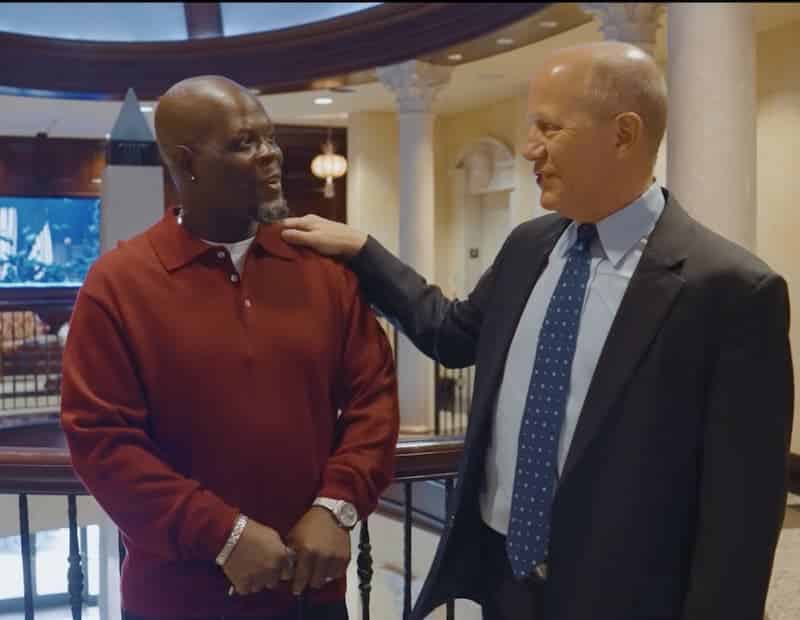
    Two men are standing indoors, smiling and talking. One is wearing a red sweater and the other is in a suit and tie, with his hand resting on the others shoulder in a friendly gesture.

    Local Resources for St. Louis Disability Applicants

    Navigating the disability system becomes easier when you know where to find help and support throughout the St. Louis metropolitan area, building a network of resources that address both your legal and practical needs.

    Government Resources
    Support Organizations
    Medical & Other Services
    Social Security Administration

    The SSA maintains several field offices throughout the St. Louis area where you can apply for benefits, submit documents, and obtain general information about your claim status.

    Missouri Disability Determination Services

    Operated by the Department of Elementary and Secondary Education, makes initial medical decisions on disability claims and can be reached at their toll-free number for status updates.


    Paraquad

    Located at 5240 Oakland Avenue in St. Louis, provides comprehensive services for people with disabilities including benefits counseling, assistive technology, and independent living support.


    Legal Services of Eastern Missouri

    Offers free legal assistance for low-income residents facing various civil matters including some disability cases, though their resources are limited and wait times may be substantial.


    Medical Care

    Several St. Louis hospitals and clinics provide charity care or sliding-scale fees based on income, with financial counselors available to help navigate assistance programs.


    Missouri Vocational Rehabilitation

    Services can provide job training and support for those whose conditions might improve with accommodation or retraining.

    Missouri Family Support Division

    Handles Medicaid applications and other social services.


    Frequently Asked Questions

    How long does it take to get approved for disability in Missouri?

    Initial disability applications in Missouri typically receive decisions within 3-6 months according to SSA data (2024), though complex cases requiring additional medical evidence may take longer, particularly when multiple conditions need evaluation or when medical providers are slow to respond. If denied and you appeal through reconsideration, expect another 2-4 months for that review, with ALJ hearings at the St. Louis office currently scheduled approximately 205 workdays or 7-8 months after requesting a hearing based on the SSA Appeals Dataset (2024). The complete process from initial application through ALJ hearing decision often spans 12-24 months or longer, making early legal representation crucial for avoiding delays and strengthening your initial application to improve your chances of faster approval.

    What conditions automatically qualify for disability?

    The Social Security Administration maintains a “Blue Book” listing impairments that can automatically qualify when specific severity requirements are met, including certain aggressive cancers, ALS, organ failure requiring transplant, and severe intellectual disabilities with documented IQ scores below 60. However, most successful disability claims don’t meet these strict listing requirements but instead prove that functional limitations from one or multiple conditions prevent performing any substantial gainful activity available in the national economy, considering age, education, and work experience. Even conditions not specifically listed can qualify by showing they equal a listing’s severity or by demonstrating that age, education, and work history combine with medical limitations to eliminate all work options you might reasonably be expected to perform.

    Can I work while on Social Security disability?

    Yes, but strict income limits apply that vary between programs and situations, with 2024 Substantial Gainful Activity limits set at $1,550 monthly for non-blind individuals according to SSA (2024), requiring careful planning to avoid jeopardizing your benefits. SSDI recipients can use the Trial Work Period to test their ability to return to work for up to nine months over a rolling 60-month period while keeping full benefits regardless of earnings, followed by a 36-month Extended Period of Eligibility where benefits stop only in months exceeding SGA. SSI recipients face different, stricter rules with benefits reducing by roughly 50 cents per dollar earned after small exclusions, making careful planning essential to avoid overpayments or benefit termination that could leave you worse off than before attempting work.

    How much will I receive in disability benefits?

    SSDI payment amounts depend on your lifetime average earnings before becoming disabled, with Missouri recipients averaging $1,493 monthly according to the SSA Annual Statistical Report (2023), though individual amounts range from around $800 to over $3,800 monthly based on earnings history and work credits accumulated. SSI provides a federal maximum of $943 monthly for individuals in 2024, with Missouri providing no additional state supplement, though some recipients may qualify for both programs if their SSDI falls below SSI levels, potentially increasing their total monthly income. Your attorney can help estimate your specific benefit amount using your Social Security earnings record and explain how factors like dependent benefits, workers’ compensation offsets, or other income might affect your final payment amount, ensuring you understand what to expect if approved.

    What happens if my disability claim is denied?

    You have exactly 60 days from receiving a denial notice to file an appeal requesting the next level of review, with the SSA presuming receipt five days after mailing unless you prove otherwise, making prompt action essential to preserve your rights. The first appeal level, reconsideration, involves a complete review by a different examiner who may approve your claim with additional medical evidence or legal arguments showing errors in the initial decision, though success rates remain low without representation. If reconsideration fails, you can request an ALJ hearing where you’ll testify before a judge, present witnesses, and have your attorney cross-examine vocational experts about available work—historically your best chance for approval with proper representation and preparation that addresses the specific reasons for prior denials.

    Do I need a lawyer for Social Security disability?

    While not legally required, statistics consistently demonstrate that represented claimants achieve significantly higher approval rates than those without attorneys at every stage of the process, particularly at ALJ hearings where legal knowledge and advocacy skills matter most in presenting complex medical and vocational evidence. Experienced disability attorneys understand which medical evidence carries weight with decision-makers, how to present testimony effectively to highlight functional limitations, when to obtain specialist opinions that strengthen your case, and how to counter vocational expert testimony that might otherwise defeat your claim by suggesting jobs you cannot actually perform. Since attorneys work on contingency with fees capped at 25% of back benefits or $7,200—whichever is less—according to SSA regulations (2022), there’s no financial risk in obtaining representation that could mean the difference between approval and years of continued struggle without income while your health deteriorates further.

    Why Choose OnderLaw for Your SSDI Claim

    When selecting legal representation for your Social Security disability claim, experience and resources matter as much as compassion and personal attention in achieving successful outcomes. OnderLaw has recovered over $5 billion in negotiated settlements for injured and disabled clients nationwide, bringing substantial resources and proven strategies to every case we handle while maintaining the personal touch that makes clients feel heard and supported. Our dedicated SSDI team specializes in disability law with deep knowledge of current regulations, local ALJ preferences, and winning strategies at every appeal level. As a firm with offices serving both Missouri and Illinois, we understand the unique challenges facing disabled workers in the bi-state region while maintaining the technology and efficiency of a national practice that can leverage resources and expertise from across our network.

    Our commitment to clients goes beyond just filing paperwork—we provide comprehensive representation that includes direct communication with your medical providers to obtain crucial evidence, thorough hearing preparation that anticipates judge questions and vocational expert testimony, and strategic case development that presents your limitations in the most compelling light possible. We leverage technology for efficient case management while maintaining the personal touch that helps clients feel heard and supported during difficult times when they’re struggling with health challenges and financial uncertainty. The no-win, no-fee structure means you can access top-tier legal representation regardless of your current financial situation, with our team advancing all costs and taking fees only from successful outcomes, ensuring that lack of money never prevents you from getting the help you need. Most importantly, we treat each client with dignity and respect, understanding that behind every case is a person struggling with health challenges who deserves both compassion and aggressive advocacy for the benefits they’ve earned through years of hard work and contribution to the Social Security system.

    $5B+
    In Negotiated Settlements
    $500M+
    In Jury Verdicts
    Attorney Jim Onder in Downtown St. Louis in front of the courthouse

    Get Started with a Free Consultation

    Taking the first step toward securing your Social Security disability benefits doesn’t require any upfront investment or commitment—just a conversation about your situation and options with someone who understands what you’re going through.

    Contact our office today at (314) 408-6136 to speak with an experienced social security disability lawyer who understands both the legal complexities and human challenges of living with a disability that has taken away your ability to work and support yourself. We offer multiple ways to connect including phone consultations for those who cannot travel due to their conditions, in-person meetings at our St. Louis office for those who prefer face-to-face discussion, and video conferences for clients throughout Missouri and Southern Illinois who want personal interaction without the burden of travel. Our office hours accommodate working families and caregivers, with evening and weekend appointments available when needed.

    24/7
    Call Us Anytime
    $0
    Zero Upfront Costs

    Contact Our Attorneys Now

    Our free consultation helps you understand your rights and options.

      This site is protected by reCAPTCHA and the Google Privacy Policy and Terms of Service apply.