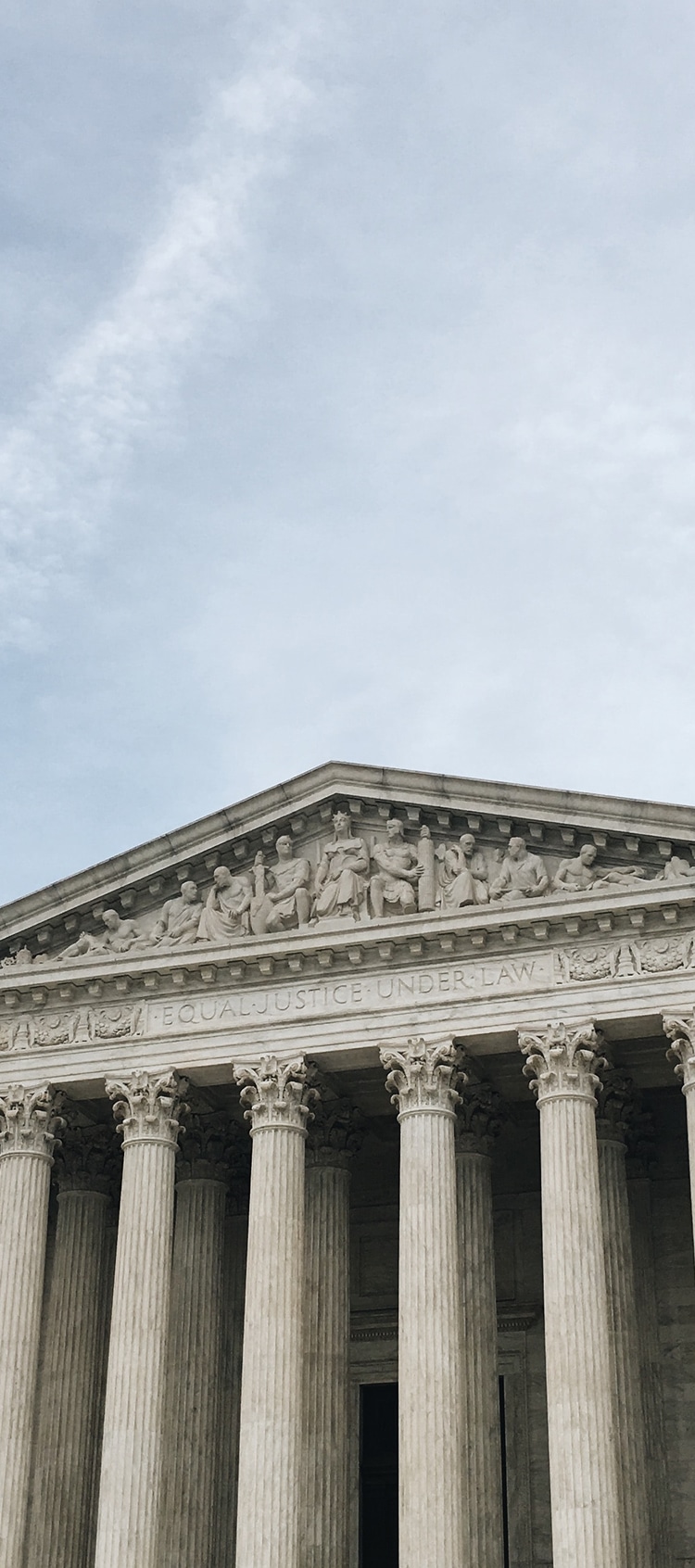
cars on the open road The facade of a classical government building with tall columns and a sculpted pediment. The phrase “EQUAL JUSTICE UNDER LAW” is inscribed above the entrance. The sky is lightly clouded above.

St. Louis Rideshare Accident Attorneys Navigating Uber & Lyft Claims

When a rideshare accident leaves you injured, the immediate uncertainty about your health and recovery collides with mounting concerns about medical bills, lost paychecks, and who will actually pay for the damages when multiple insurance companies are involved. Whether you were riding in an Uber, struck by a Lyft driver, or injured while driving for a rideshare company, the path forward feels overwhelming when corporate legal teams start denying responsibility and shifting blame between parties.

$5B+
Won In Negotiated Settlements
Top 1%
Trial Lawyers In The USA
1200+
5-Star Reviews Nationwide

Case Evaluation

Tell us about your situation to see if you have a case.

    This site is protected by reCAPTCHA and the Google Privacy Policy and Terms of Service apply.

    Let Us Make Your Case, Our Cause

    We understand these pressures, which is why we offer free consultations and work on contingency—you pay nothing unless we recover compensation for you. Call us at (314) 408-6136 to discuss your case with attorneys who have successfully navigated the complex insurance tiers and multi-party disputes unique to rideshare collisions throughout St. Louis and Southern Illinois.

    Rideshare accidents differ fundamentally from standard car crashes because coverage depends on whether the driver had their app activated, was waiting for a ride request, or was actively transporting passengers at the moment of impact. According to Missouri law (RSMo §379.1702, 2025), rideshare companies must provide up to $1 million in coverage during active rides, but accessing these substantial benefits requires understanding the three-tier insurance system that companies like Uber and Lyft use to limit their exposure. Our team has secured compensation for clients even when rideshare companies initially denied coverage by proving which insurance period applied and holding all responsible parties accountable. While our car accident team handles collisions of all types, rideshare cases demand specialized knowledge of corporate liability theories, app-based evidence preservation, and the independent contractor complications that don’t exist in typical accident claims.

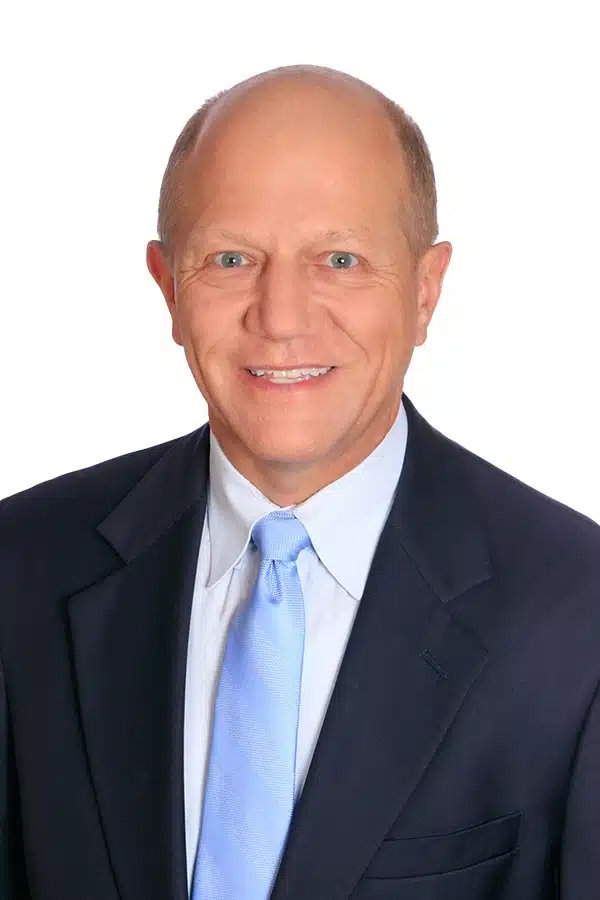
    James Onder Attorney OnderLaw | Photo Jim Onder

    Onder Wins

    Unlike many firms that treat clients like case numbers, we provide direct attorney access throughout your case, ensuring you work with experienced lawyers who understand both the legal complexities and personal challenges you’re facing after a serious collision.

    • $5+ Billion In Negotiated Settlements
    • $300M+ In Jury Verdicts
    • Voted Best Law Firm In St. Louis 
    Personal Injury Case Consultation

    “Every case is an opportunity to protect someone else’s family from tragedy”

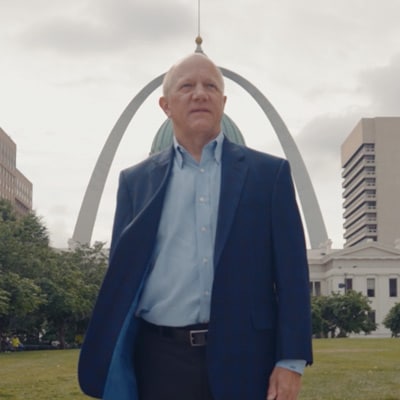
    Attorney Jim Onder in Downtown St. Louis in front of the courthouse
    Jim Onder
    Founder & Managing Partner

    Understanding Rideshare Insurance Tiers in Missouri

    Missouri law creates a three-tier insurance framework for rideshare vehicles, with coverage limits varying dramatically based on the driver’s app status at the moment of collision—a complexity that insurers frequently exploit to deny legitimate claims.

    Three Coverage Periods

    Period 1 coverage activates when a driver logs into the Uber or Lyft app but hasn’t yet accepted a ride request, triggering limited protection of $50,000 per person, $100,000 per accident, and $25,000 for property damage according to Missouri Department of Insurance regulations (2025). During Period 2, which begins when the driver accepts a ride request and travels to pick up the passenger, coverage increases substantially though the exact amounts vary between companies and typically exceed state minimums. Period 3 provides the full protection—once the passenger enters the vehicle and continuing until they exit at their destination, Missouri statute requires $1 million in liability coverage, far exceeding the $25,000/$50,000/$25,000 minimums that apply to standard personal vehicles.

    Coverage Transitions

    The complexity deepens when accidents occur during coverage transitions or when multiple insurance policies potentially apply, creating disputes that delay compensation while your medical bills accumulate and your lost wages mount. For example, if a driver causes an accident seconds after dropping off a passenger, determining whether Period 3 coverage still applies or whether coverage has reverted to Period 1 limits requires careful analysis of app data, timestamps, and corporate policies that vary between Uber and Lyft.

    Coverage Gaps & Disputes

    These coverage gaps and ambiguities give insurance companies room to argue about which policy applies, often leaving injured victims caught between insurers pointing fingers at each other while denying responsibility for mounting damages that someone must pay. This three-tier system creates a moving target for coverage that changes moment by moment based on the driver’s activities, which is why victims need attorneys who understand these distinctions rather than treating rideshare accidents like typical car crashes where coverage remains constant.

    OnderLaw Recent Case Results

    Our greatest results have been the relationships we’ve forged with clients we’ve helped and the lives they’ve achieved after horrific accidents with the settlements our work brought about.

    Every case is different and handled differently, but we are proud of what we have accomplished on behalf of previous clients. From multi-billion dollar mass tort settlements to individual personal injury verdicts, we fight for every penny of compensation our clients deserve.

    Past results do not guarantee future outcomes, every case is different*

    Recent victories creating lasting change across Missouri

    Who May Be Liable in Your Rideshare Accident

    Determining liability in rideshare collisions involves analyzing multiple potential defendants, each with their own insurance companies and legal teams working to shift blame elsewhere and minimize their exposure.

    Rideshare Driver Liability

    While the rideshare driver may bear primary responsibility for causing the collision through distracted driving, fatigue, or traffic violations, this multi-defendant dynamic creates both opportunities and challenges—you may be able to recover from multiple sources, but you must also navigate competing defenses and finger-pointing between parties who would rather pay nothing than accept their share of responsibility.


    Corporate Liability (Uber/Lyft)

    The corporate entities of Uber and Lyft may also face liability under theories of negligent hiring, retention, or supervision despite their classification of drivers as independent contractors. Missouri law (RSMo §387.414, 2025) establishes a framework treating rideshare drivers as independent contractors under specific conditions, but this classification doesn’t provide absolute immunity to companies when they fail in their corporate responsibilities or create dangerous conditions. If Uber or Lyft allowed a driver with a dangerous driving history to continue operating on their platform despite customer complaints, or failed to conduct proper background checks as required by Missouri statute, the company may face direct liability for negligent retention or hiring practices.

    Third-Party Driver Liability

    When accidents involve third-party vehicles, those drivers and their insurers become additional defendants, creating a complex web of liability that requires careful investigation to identify all responsible parties and available insurance coverage that may contribute to your full compensation.

    Independent Contractor Defense

    The independent contractor relationship between drivers and rideshare companies often becomes a central dispute in determining corporate liability, with companies arguing they cannot be held responsible for their drivers’ actions because they don’t directly employ them. However, plaintiffs may overcome this defense by demonstrating that the company exercised sufficient control over the driver’s activities, failed in their screening obligations, or created policies that encouraged dangerous driving behaviors like accepting rides while fatigued to meet earnings targets. Background check failures represent a particularly strong basis for corporate liability.

    Led by Attorneys Who Believe in Causes,
    Not Just Cases

    Our Personal Injury Attorneys have decades of experience transforming personal tragedies into wins for our clients.

    Common Causes of St. Louis Rideshare Accidents

    Driver fatigue from working long shifts to maximize earnings becomes especially dangerous during late-night bar hours in downtown St. Louis and The Grove, where demand peaks but driver alertness drops after extended hours behind the wheel without adequate rest. According to Trailnet’s crash data (2022), entertainment districts show concentrated accident patterns during peak rideshare hours, particularly around popular pickup and drop-off locations where drivers make sudden stops or illegal maneuvers to collect passengers quickly.

    Driver Fatigue

    Driver fatigue from working long shifts to maximize earnings becomes especially dangerous during late-night bar hours in downtown St. Louis and The Grove, where demand peaks but driver alertness drops after extended hours behind the wheel without adequate rest. According to Trailnet’s crash data (2022), entertainment districts show concentrated accident patterns during peak rideshare hours, particularly around popular pickup and drop-off locations where drivers make sudden stops or illegal maneuvers to collect passengers quickly.

    Distracted Driving

    The constant interaction with GPS navigation and ride request apps creates a dangerous form of distracted driving unique to rideshare operations, as drivers simultaneously monitor their phones for ride requests, follow navigation prompts, and communicate with passengers through the app while trying to navigate traffic. Unlike typical distracted driving where phones might be checked occasionally, rideshare drivers face continuous pressure to engage with their devices to accept lucrative rides before other drivers claim them. Missouri’s hands-free driving law (RSMo §304.822), which became effective August 28, 2023, specifically prohibits holding electronic devices while driving.

    Unfamiliar Routes

    Unfamiliar routes through St. Louis neighborhoods compound these risks, as drivers who primarily operate in St. Louis County suddenly find themselves navigating the different traffic patterns of downtown St. Louis, or suburban drivers struggle with the unique challenges of Lambert International Airport’s pickup zones and one-way access roads.

    Passenger Distractions

    Passenger-caused distractions add another layer of danger, whether from intoxicated riders giving conflicting directions, groups creating chaos in the vehicle, or passengers pressuring drivers to speed or violate traffic laws to make flights or appointments on time.

    Airport & Entertainment District Hazards

    The airport and entertainment district environments create particular hazards, with drivers competing for rides, making sudden lane changes to reach pickup points, and dealing with congested areas where pedestrians, vehicles, and rideshare cars converge in chaotic patterns that increase collision risks for everyone sharing the road.

    Critical Evidence in Rideshare Accident Cases

    Preserving evidence immediately after a rideshare accident can determine whether you may recover full compensation or struggle to prove basic facts about the collision, making swift action essential before data disappears or memories fade. The electronic nature of rideshare operations creates unique evidence opportunities through app data, GPS tracking, and digital trip logs, but this information can be deleted, overwritten, or become inaccessible without proper legal preservation requests sent to the companies.

    App Screenshots

    App screenshots taken immediately after the accident provide crucial documentation of the driver’s status, the trip details, and the exact timeline of events that insurance companies will later scrutinize when looking for reasons to deny coverage. These screenshots should capture the trip receipt, the route taken, the driver’s information, and any in-app incident reports, as this data may change or become unavailable once the companies begin their internal investigations and decide how to position their defense. Electronic logs maintained by Uber and Lyft track driver behavior patterns, including hours worked, rides completed, and even hard braking or acceleration events that might indicate dangerous driving patterns before your accident occurred, but accessing these records typically requires legal action.

    Driver Status Verification

    Driver status verification through app data becomes particularly critical when insurers dispute which coverage period applies, as this electronic evidence provides objective proof of whether the driver was logged in, had accepted a ride, or was transporting passengers at the time of impact.

    GPS Data

    GPS data from both the rideshare app and the driver’s phone can reconstruct the accident scene, showing vehicle speeds, sudden stops, and whether the driver was following the app’s suggested route or deviating in ways that contributed to the collision.

    Witness Statements & Corporate Records

    Witness statements from other passengers provide unique perspectives on driver behavior, distractions, or signs of impairment that might not be apparent from physical evidence alone, while corporate records obtained through legal discovery can reveal patterns of complaints, safety violations, or previous incidents involving the same driver that the company ignored while continuing to profit from their services.

    Preserving evidence immediately after a rideshare accident can determine whether you may recover full compensation or struggle to prove basic facts about the collision, making swift action essential before data disappears or memories fade. The electronic nature of rideshare operations creates unique evidence opportunities through app data, GPS tracking, and digital trip logs, but this information can be deleted, overwritten, or become inaccessible without proper legal preservation requests sent to the companies.

    Your Rights as a Rideshare Passenger

    As a passenger injured in a rideshare accident, Missouri law provides you with stronger protections and clearer paths to compensation than many victims realize, regardless of which driver caused the collision or how the fault may be divided. Because you bore no responsibility for the accident as a passenger, the pure comparative fault system that might reduce compensation for drivers doesn’t limit your recovery—you may be entitled to full compensation for your injuries whether your rideshare driver caused the crash or another vehicle was responsible. The $1 million insurance coverage required during Period 3 when you’re in the vehicle provides substantial resources for your medical bills, lost wages, and pain and suffering, far exceeding the minimum coverage in standard auto accidents and creating the potential for full compensation even in cases involving serious, life-changing injuries.

    Your rights extend to potential claims against both the rideshare driver and the company itself, particularly when corporate negligence in hiring, supervising, or retaining dangerous drivers contributed to your injuries and the company profited from rides while ignoring safety concerns. Medical payment coverage included in many rideshare insurance policies can provide immediate funds for your treatment without waiting for fault determinations, helping you get necessary care while your attorney pursues the larger liability claim for full compensation. Additionally, if the at-fault driver—whether your rideshare driver or another motorist—lacks adequate insurance, the uninsured and underinsured motorist coverage that rideshare companies must maintain provides another layer of protection, ensuring you may not be left with unpaid damages simply because someone drove without proper insurance or carried only minimum coverage insufficient to compensate your injuries.


    The Rideshare Claims Process: What to Expect

    The rideshare claims process differs significantly from standard car accident claims due to the involvement of multiple insurers, corporate legal teams, and the complex interplay between personal and commercial policies that creates confusion about who pays what.

    1. Report Through the App

      Your claim begins with reporting the accident through the rideshare app within 24 hours, a critical step that creates an official record and triggers the company’s insurance protocols, though this initial report shouldn’t include detailed statements about fault or injuries without legal guidance since anything you say may be used to minimize your claim later.

    2. Navigate Multiple Insurers

      Unlike typical accidents where you might deal with one or two insurance companies, rideshare claims often involve negotiations with the driver’s personal insurer, the rideshare company’s various coverage tiers, and potentially other drivers’ insurance companies, each with different adjusters, requirements, and defense strategies designed to pay as little as possible.

    3. Counter Corporate Defense Tactics

      The corporate legal teams representing Uber and Lyft bring sophisticated resources and aggressive defense tactics that individual victims rarely encounter in standard auto accident cases, using their vast experience handling thousands of claims nationally to exploit coverage gaps, dispute liability, and pressure victims into quick, inadequate settlements. According to Uber’s 2022 U.S. Safety Report, the company handles significant numbers of accident claims annually, developing extensive defense strategies and protocols.

    4. Settlement Negotiations

      Settlement negotiations in rideshare cases require balancing the higher policy limits available against the companies’ willingness to fight claims aggressively, making experienced legal representation essential to maximize the compensation you may be able to recover. While the $1 million policies provide greater settlement potential than typical auto claims, accessing these funds requires overcoming corporate defenses, proving coverage applies through detailed evidence, and demonstrating damages that justify substantial compensation.

    5. Settlement vs. Litigation Decision

      The decision between accepting a settlement offer and proceeding to litigation involves weighing the certainty of a negotiated resolution against the potential for a larger jury verdict, considering factors like the strength of liability evidence, the severity of injuries, and the jury appeal of holding large corporations accountable for their drivers’ negligence and their own failures to maintain safe operations.

    Why Rideshare Cases Require Specialized Legal Help

    Three-Tier Insurance Navigation

    The intersection of technology, insurance complexity, and corporate legal resources makes rideshare accident cases fundamentally different from standard car accident claims, requiring attorneys with specific experience in this evolving area of law rather than general practitioners who may miss critical evidence or deadlines. Successfully navigating the three-tier insurance system demands not just understanding the coverage levels but knowing how to prove which tier applies through app data, how to counter insurance company arguments about coverage gaps, and how to coordinate multiple policies to maximize available compensation from all sources.

    Evidence Preservation Strategies

    We have developed strategies for preserving electronic evidence before it disappears, compelling rideshare companies to produce internal data about driver histories, and using technology records to reconstruct accidents in ways that traditional collision cases don’t require, giving our clients advantages that unrepresented victims or those working with inexperienced attorneys simply don’t have.

    Corporate Defense Tactics

    Corporate legal teams representing Uber and Lyft employ defense strategies refined through thousands of cases nationwide, using their resources to overwhelm individual victims who attempt to handle claims without experienced counsel who can match their sophistication. These companies understand that most accident victims don’t know their rights, won’t recognize lowball settlement offers that fail to account for future medical needs or long-term impacts, and can’t match the legal firepower brought against them by teams of corporate attorneys whose sole job is minimizing payouts.

    Multi-State Jurisdiction Issues

    The multi-state jurisdiction issues common in rideshare cases, particularly for accidents near the Illinois border or involving drivers and passengers from different states, create procedural complexities that can trap unwary victims in unfavorable forums or cause them to miss critical deadlines that vary between Missouri’s five-year statute of limitations and Illinois’s two-year limit.

    Maximizing $1 Million Policy Recovery

    The potential for recovering from $1 million policies makes rideshare cases particularly valuable when handled correctly, but accessing these higher limits requires proving not just liability but also demonstrating damages that justify substantial compensation through medical evidence, expert testimony, and compelling presentation. Technology and data preservation requirements unique to rideshare cases mean that waiting too long to involve an attorney can result in lost evidence that might have proven critical to establishing liability or damages—app data may be overwritten, GPS logs may be deleted, and witness memories may fade while you’re trying to handle the claim yourself.

    What Our Clients Say

    I highly recommend Mr. Onder. He is an excellent attorney and addresses client issues and concerns in a fast and efficient manner, answers any questions we have, and keeps us informed about the progress of our case.

    Bill

    The firm was very willing to hear my problems and discuss with me even though I was not qualified for a case. Their staff spent about 30 minutes with me discussing records and diagnosis and I appreciate them trying to help me.

    Andy

    I was in a bad car accident where I was hit, and my car flipped and almost crushed and calling Jim Onder was the BEST DECISION I made to help me get what I deserved (it was the other cars fault and witnesses will say it also) for everything that I went through. Beside all my physical pain I was having a hard time dealing with things after the accident and the insurance company and I missed lots of work. I don't know how I would have dealt with it...

    Karly

    I have known Jim Onder and his team for a few years now. I have always been impressed by the way they take care of their clients. It's not always about the case, but the individual. I would recommend anyone seeking legal counsel to give Jim and his team a call.

    John

    I don't have enough words to describe how amazing the experience with this firm was. They work very hard to make sure you have winning results. I could not have asked for better services. From the moment I first called until my case was over, I was at ease that I had made the right choice.

    Mike

    Frequently Asked Questions

    How long do I have to report an accident to Uber or Lyft?

    While no law mandates a specific deadline, reporting your accident through the rideshare app within 24 hours creates the strongest foundation for your claim by establishing an official record before memories fade or evidence disappears. The app’s incident reporting feature documents crucial details like trip information, driver identity, and timestamp data that become harder to retrieve as time passes and may be deleted or overwritten in the company’s systems. Delaying your report may allow the company to argue that your injuries weren’t serious, that the accident didn’t occur as claimed, or that missing evidence prevents proper investigation of your claim, giving them additional grounds to deny coverage or minimize the compensation they offer.

    What if the rideshare driver doesn't have the app on during my accident?

    When a rideshare driver causes an accident without their app activated, their personal auto insurance becomes primary, though many personal policies exclude coverage for any rideshare-related activities, potentially creating dangerous coverage gaps that leave you without adequate compensation sources. Proving the app’s status at the time of impact becomes crucial, requiring investigation into the driver’s typical work patterns, witness statements about whether they were seeking passengers, and potentially subpoenaing electronic records to verify their claims about whether they were working. An experienced attorney can investigate whether the driver was actually logged off or attempting to avoid coverage responsibilities by misrepresenting their status, and can pursue alternative theories of liability when coverage disputes arise.

    Can I sue both the driver and Uber or Lyft?

    Yes, pursuing claims against multiple defendants often provides the best path to full compensation, as you may be able to hold the driver liable for their negligent driving while also pursuing the company for failures in hiring, supervision, or safety policies that contributed to your injuries. The independent contractor relationship doesn’t shield rideshare companies from all liability, particularly when they negligently allowed dangerous drivers on their platform or created policies that encouraged unsafe driving practices to maximize company profits. Our team develops strategies targeting both individual and corporate defendants to maximize available insurance coverage and compensation sources, ensuring that all responsible parties are held accountable rather than allowing them to shift blame to each other while you receive inadequate compensation.

    What if I was injured as a rideshare driver?

    Rideshare drivers injured while working face unique challenges because workers’ compensation doesn’t cover independent contractors, leaving you dependent on the complex insurance tier system and potentially your own coverage for protection rather than the no-fault benefits employees receive. Your coverage depends on your app status at the time of injury—logged out means only personal insurance applies, Period 1 provides minimal coverage, while Periods 2 and 3 offer more substantial protection including potential occupational accident insurance some drivers purchase separately. Missouri’s workers’ compensation limitations mean rideshare drivers must navigate traditional liability claims rather than no-fault work injury benefits, making legal representation crucial for understanding your options and pursuing all available sources of compensation when you’re injured while trying to earn a living.

    How much insurance coverage do Uber and Lyft provide in Missouri?

    Missouri law requires rideshare companies to maintain three distinct coverage tiers: Period 1 provides $50,000 per person, $100,000 per accident, and $25,000 property damage when drivers are logged in but haven’t accepted rides according to Missouri Department of Insurance requirements (2025). Periods 2 and 3, covering ride acceptance through passenger drop-off, must maintain at least $1 million in liability coverage, far exceeding Missouri’s standard minimum requirements of $25,000/$50,000/$25,000 for personal vehicles. Missouri follows a pure comparative fault system, meaning you can still recover compensation even if you share some responsibility for the accident—your recovery will be reduced by your percentage of fault, so if you’re 30% at fault, your compensation is reduced by 30%. This differs from some states that bar recovery entirely if you’re more than 50% responsible, making Missouri’s system more favorable for injured parties who may bear partial responsibility.


    Why Choose OnderLaw for Your Rideshare Case  

    The specialized knowledge needed to handle these cases effectively—from understanding app functionality to interpreting corporate policies to navigating arbitration clauses that may limit your rights—explains why rideshare accident victims who work with experienced attorneys typically may recover significantly more than those who try to handle claims independently or work with attorneys who treat these cases like standard auto accidents without understanding the unique challenges involved.

    $5B+
    In Negotiated Settlements
    $500M+
    In Jury Verdicts
    Attorney Jim Onder in Downtown St. Louis in front of the courthouse

    Get Started with Your Rideshare Accident Claim Today

    Technology and data preservation requirements unique to rideshare cases mean that waiting too long to involve an attorney can result in lost evidence that might have proven critical to establishing liability or damages—app data may be overwritten, GPS logs may be deleted, and witness memories may fade.

    Call us at (314) 408-6136 to discuss your case with attorneys who have successfully navigated the complex insurance tiers and multi-party disputes unique to rideshare collisions throughout St. Louis and Southern Illinois.

    24/7
    Call Us Anytime
    $0
    Zero Upfront Costs

    Contact Our Attorneys Now

    Our free consultation helps you understand your rights and options.

      This site is protected by reCAPTCHA and the Google Privacy Policy and Terms of Service apply.