How Does a Construction Injury Differ From a Workplace Injury: Understanding the Key Legal and Safety Distinctions
When people think about workplace injuries, they often picture minor accidents like slips or falls in an office. However, not all workplace injuries are created equal. Construction injuries are a special category that can involve more severe injuries and unique legal considerations.
Construction site injuries differ from typical workplace injuries because they often involve dangerous equipment, heights, and hazardous conditions that can lead to more serious consequences. Construction workers face much higher risks than those in standard office environments, with dangers ranging from falling objects to electrical hazards and structural collapses.
While all workplace injuries may qualify for workers’ compensation, construction accidents often open the door to additional legal options beyond standard benefits. This crucial difference means that construction workers may pursue third-party liability claims against equipment manufacturers, subcontractors, or property owners when negligence contributes to their injuries.
Key Takeaways
- Construction injuries typically involve more severe injuries due to hazardous conditions, heavy machinery, and working at heights.
- Workers injured in construction accidents may qualify for both workers’ compensation and additional third-party liability claims.
- Understanding the distinction between general workplace and construction injuries is essential for obtaining proper compensation after an accident.
Understanding Construction Injuries
Construction injuries involve unique hazards and legal considerations that set them apart from general workplace incidents. They often occur in dynamic environments with multiple parties responsible for worker safety.
Nature and Scope of Construction Site Injuries
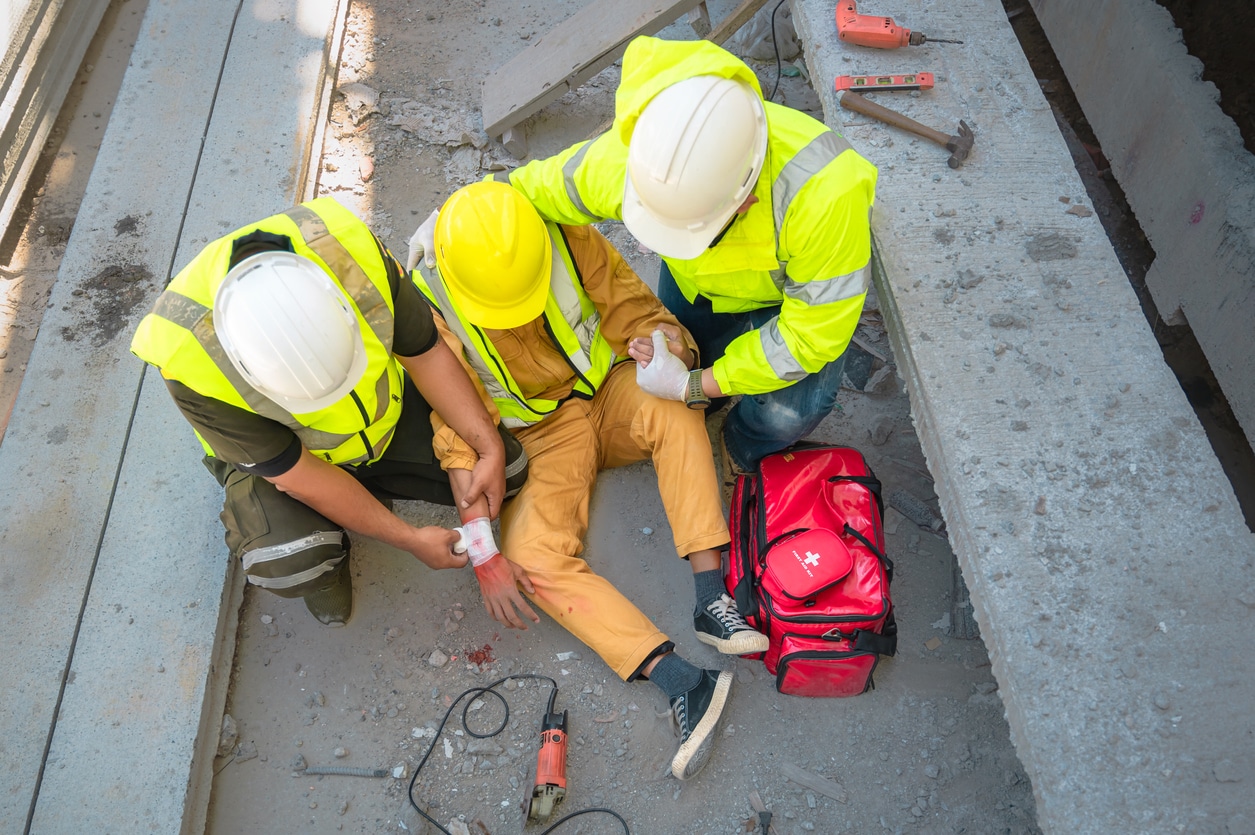
Construction site injuries typically involve more severe accidents due to the hazardous nature of the work environment. Workers face risks from falling objects, electrical hazards, and heavy machinery that aren’t common in other workplaces.
Falls from heights are particularly dangerous, with workers on ladders, beams, or roofs facing significant injury potential without proper protection systems.
Other common construction injuries include:
- Crush injuries from heavy equipment or materials
- Electrical burns or electrocution
- Traumatic brain injuries from falling objects
- Repetitive stress injuries from prolonged physical labor
These injuries often result in longer recovery times and more permanent disabilities than typical workplace incidents.
Roles of General Contractors and Safety Regulations
General contractors bear significant responsibility for maintaining site safety and following OSHA regulations. They must implement comprehensive safety plans, conduct regular inspections, and ensure all subcontractors follow established protocols.
When injuries occur, determining liability becomes complex. Multiple parties may share responsibility, including:
- Site owners
- Equipment manufacturers
- Subcontractors
- Engineers or architects
This complexity makes consulting with experienced construction accident lawyers essential for injured workers. We understand the interplay between workers’ compensation and potential third-party claims.
Safety regulations in construction are more stringent than general workplace requirements, reflecting the increased hazards. Contractors must provide proper training, safety equipment, and maintain detailed documentation of all safety measures.
Workplace Injuries Versus Construction Injuries
Injuries can happen in any workplace, but construction sites present unique hazards and legal considerations that set them apart from typical workplace accidents. Understanding these distinctions is crucial for injured workers seeking proper compensation.
Comparing Injury Types and Causes
Construction injuries tend to be more severe than typical workplace injuries due to the hazardous nature of construction sites. Construction work is much more dangerous than many other occupations, involving heavy machinery, working at heights, and exposure to hazardous materials. Common construction injuries include falls from scaffolding, crush injuries from equipment, and electrocution.
In contrast, general workplace injuries often involve slips and falls, repetitive strain injuries, or minor accidents with office equipment. While these can still be serious, they typically don’t carry the same risk of catastrophic harm.
The injury rate in construction is significantly higher than in many other industries. Construction workers face daily risks from power tools, heavy materials, and unstable structures that most office workers never encounter.
Legal Differences and Compensation
When it comes to legal remedies, construction injuries often provide more options for compensation. While most workplace injuries are limited to workers’ compensation benefits, construction injuries might qualify for both workers’ comp and personal injury claims against third parties.
This distinction matters because workers’ compensation and personal injury claims offer different benefits. Workers’ comp provides guaranteed but limited benefits regardless of fault, covering medical expenses and partial wage replacement.
Personal injury cases, however, can yield compensation for pain and suffering, full lost wages, and other damages not covered by workers’ comp. Construction workers often have valid claims against contractors, subcontractors, property owners, or equipment manufacturers who contributed to their injuries.
We must evaluate each case individually to determine whether an injury qualifies solely for workers’ comp or if additional legal actions are possible.
Legal Actions and Considerations
When injured at a construction site, workers have different legal options than those in typical workplaces. Understanding these differences can significantly impact your compensation and recovery process.
Filing for Workers’ Compensation
Workers’ compensation is typically the first legal action for both construction and general workplace injuries. For construction workers, this process often begins with reporting the injury to your supervisor immediately. Most states require this notification within 30-90 days.
Construction workers face more severe injuries than many other occupations, which may require more detailed documentation during the claims process.
We recommend keeping detailed records of:
- Medical treatments
- Work days missed
- All communications with employers
- Any witnesses to the incident
Workers’ compensation provides benefits regardless of fault, covering medical expenses and partial wage replacement. However, these benefits may not fully address the extensive injuries common in construction accidents.
Pursuing Personal Injury Claims
Unlike general workplace injuries, construction accidents often involve multiple parties beyond the employer. This creates opportunities for personal injury lawsuits in addition to workers’ compensation claims.
Injured construction workers can file a personal injury claim when third parties like:
- Equipment manufacturers
- Subcontractors
- Property owners
- Project managers
These claims require proving negligence, which means showing that someone failed in their duty to maintain a safe environment. Personal injury lawsuits may provide compensation for:
Additional damages unavailable through workers’ comp, including:
- Pain and suffering
- Full lost wages
- Emotional distress
- Loss of quality of life
We find that legal representation can dramatically affect settlement amounts in construction accident cases. The complexity of these cases stems from identifying all negligent parties and navigating both workers’ compensation and personal injury law simultaneously.
Financial Implications and Recovery
Construction and workplace injuries can lead to significant financial burdens beyond the immediate injury. Medical costs and lost income create stress during an already difficult recovery period.
Covering Medical Expenses and Lost Wages
When injured at a construction site, you may qualify for workers’ compensation benefits that cover medical expenses and a portion of lost wages. These benefits typically pay about two-thirds of your regular earnings while you recover.
For injuries resulting from third-party negligence, you might pursue a personal injury claim in addition to workers’ comp. This can provide compensation for:
- 100% of lost wages (versus partial under workers’ comp)
- Pain and suffering damages
- Future medical treatments
- Loss of earning capacity
Long-term financial impacts can be severe. Many construction workers face mounting debt when unable to work for extended periods. We recommend consulting with an attorney familiar with both workers’ comp and personal injury law to maximize your recovery.
Ensuring Adequate Medical Treatment
Proper medical care is crucial for recovery but can be challenging to secure. Workers’ compensation may limit your choice of doctors or treatment options, potentially affecting your recovery timeline.
We advise documenting all work site conditions and injury details immediately. This documentation strengthens your case for comprehensive medical treatment.
Some important considerations include:
- Getting second opinions when treatment seems inadequate
- Tracking all medical appointments and treatments
- Following doctor’s orders precisely
- Requesting specialized care when needed
Construction injuries often require specialized treatment beyond what general workplace injuries might need. This includes rehabilitative therapy, specialized surgeries, or long-term care for permanent disabilities.
Frequently Asked Questions
Construction injuries involve specific legal considerations, safety regulations, and claim processes that differ significantly from general workplace injuries. These differences affect how injured workers pursue compensation and what steps they should take following an accident.
What are the defining characteristics of construction injuries?
Construction injuries are specifically those that happen on construction sites or during construction activities. They often involve more severe injuries than typical workplace accidents due to the hazardous nature of construction work. These injuries frequently involve heavy machinery, falls from heights, electrical accidents, and collapsing structures that aren't present in most work environments. Construction injuries are subject to specialized safety regulations and often involve multiple parties, including contractors, subcontractors, property owners, and equipment manufacturers.
How do construction injury claims differ from general workplace injury claims?
Unlike general workplace injuries that typically only involve workers' compensation claims, construction injuries may involve both workers' compensation and personal injury claims. Construction workers often have the option to pursue third-party liability claims against parties other than their employer, such as equipment manufacturers or subcontractors. The damages available in construction injury cases can be more extensive, potentially including pain and suffering and other non-economic damages not covered by workers' compensation.
What types of legal considerations are unique to construction injuries?
Construction injuries involve complex liability issues due to the multiple parties typically present on a construction site. Special statutes like scaffold laws in some states provide additional protections for construction workers beyond what's available to other employees. We must consider contractual relationships between general contractors, subcontractors, and property owners when determining liability in construction injury cases. OSHA violations in construction carry different penalties and can significantly impact legal claims in ways not seen in typical workplace injury cases.
What are the most common causes of injuries on construction sites?
Falls from heights, including scaffolding, ladders, and roofs, represent one of the most frequent and dangerous construction site accidents. Struck-by hazards, where workers are hit by vehicles, falling objects, or swinging equipment, account for numerous construction injuries annually. Electrocution risks are significantly higher on construction sites due to exposed wiring, power lines, and unfinished electrical systems. Caught-in or caught-between accidents, including trench collapses and machinery entrapments, represent unique construction hazards rarely seen in other workplaces.
How do safety regulations impact construction injuries compared to other workplace injuries?
Construction sites are subject to specialized OSHA regulations and industry-specific safety standards that don't apply to general workplaces. Compliance requirements for construction sites are typically more rigorous, including mandated safety equipment, training protocols, and inspection procedures. Safety violations on construction sites often carry heavier penalties and can create stronger presumptions of negligence in injury claims. Many states have enacted special laws specifically to protect construction workers, recognizing the inherently dangerous nature of their work.
What steps should one take if injured on a construction site versus a different work environment?
After a construction injury, we recommend documenting the accident scene thoroughly, including photographing equipment, hazards, and the absence of safety measures. Identifying all potential parties involved is crucial in construction accidents, unlike typical workplace injuries where the employer is the primary focus. Seeking specialized legal representation familiar with construction accidents is important due to the complex interplay of workers' compensation and third-party liability claims.