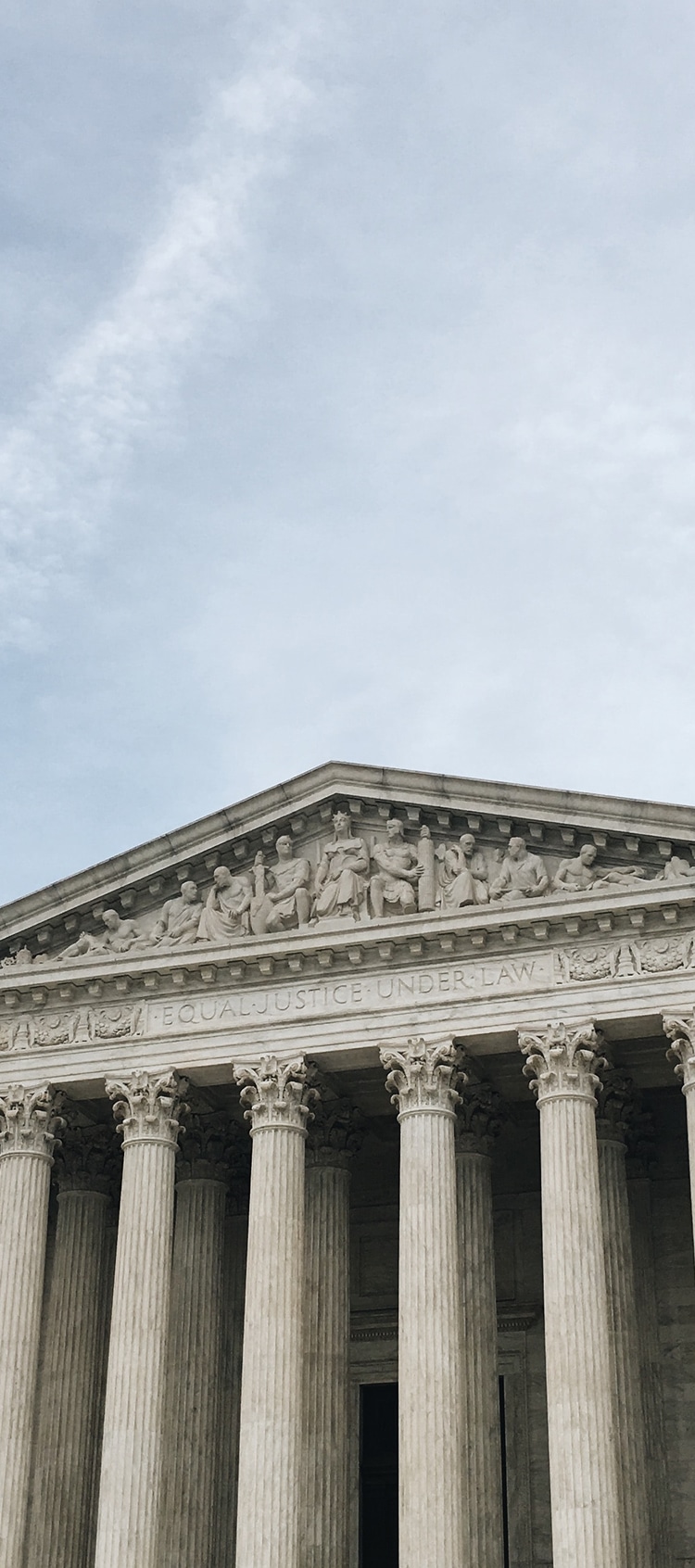
cars on the open road The facade of a classical government building with tall columns and a sculpted pediment. The phrase “EQUAL JUSTICE UNDER LAW” is inscribed above the entrance. The sky is lightly clouded above.

St. Louis Wildfire Lawsuit Attorneys Holding Negligent Parties Accountable 

The devastation of wildfire extends far beyond charred landscapes and destroyed structures—families face mounting medical bills from smoke inhalation treatment, lost wages during insurance negotiations, and the profound emotional weight of losing irreplaceable belongings and cherished memories.

$5B+
Won In Negotiated Settlements
Top 1%
Trial Lawyers In The USA
1200+
5-Star Reviews Nationwide

Case Evaluation

Tell us about your situation to see if you have a case.

    This site is protected by reCAPTCHA and the Google Privacy Policy and Terms of Service apply.

    Let Us Make Your Case, Our Cause

    While you process the trauma of evacuation and assess what remains, immediate financial pressures demand attention even as uncertainty about the future clouds every decision. At OnderLaw, we understand that fire victims need answers about compensation quickly, which is why we offer free consultations with no upfront costs to evaluate your case—call us at (314) 408-6136 to speak with an attorney who can help you understand your legal rights and options today.

    James Onder Attorney OnderLaw | Photo Jim Onder

    Onder Wins

    Unlike many firms that treat clients like case numbers, we provide direct attorney access throughout your case, ensuring you work with experienced lawyers who understand both the legal complexities and personal challenges you’re facing after a serious collision.

    • $5+ Billion In Negotiated Settlements
    • $300M+ In Jury Verdicts
    • Voted Best Law Firm In St. Louis 
    Personal Injury Case Consultation

    “Every case is an opportunity to protect someone else’s family from tragedy”

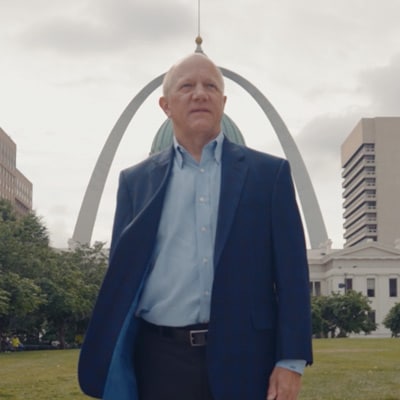
    Attorney Jim Onder in Downtown St. Louis in front of the courthouse
    Jim Onder
    Founder & Managing Partner

    Understanding Wildfire Liability: Who’s Responsible When Fires Spread

    Wildfire litigation in Missouri involves complex liability questions requiring investigation of multiple potential defendants, as fires often originate from various sources and spread across properties before causing harm to victims.

    Proving Negligence

    The foundation of most wildfire claims rests on proving negligence—that a defendant breached their duty of care and that breach directly caused your damages through fire ignition or spread. For utility companies, this might mean failing to trim vegetation near power lines or operating equipment during red flag weather warnings, while railroad operators may be liable for inadequate spark arrestor maintenance or allowing combustible materials to accumulate along their rights-of-way, creating ignition hazards that violate federal safety standards. Missouri law also recognizes strict liability theories for ultrahazardous activities in certain circumstances, though courts apply this doctrine selectively in fire cases depending on the specific activities involved and the defendant’s knowledge of fire risks.

    Prescribed Burning Act

    Missouri’s legal framework for wildfire liability has evolved significantly, particularly with the Prescribed Burning Act (RSMo § 537.354, effective August 28, 2021) that changed how certain defendants can be held accountable by creating immunity for prescribed burn operators unless negligence is proven. While general environmental cases might focus on a single polluter, wildfire litigation often involves pursuing multiple parties whose combined negligence created conditions for catastrophic fire spread, making the identification and investigation of all responsible parties essential to securing full compensation.

    Joint & Several Liability

    Joint and several liability principles become particularly important when multiple defendants contribute to a wildfire’s ignition or spread, as Missouri law provides that defendants found 51% or more at fault can be held responsible for all damages (RSMo § 537.067). Missouri follows pure comparative fault under common law (Gustafson v. Benda, 661 S.W.2d 11 (Mo. banc 1983)), allowing victims to recover even when partially responsible for fire conditions, though their recovery is reduced by their percentage of fault.

    OnderLaw Recent Case Results

    Our greatest results have been the relationships we’ve forged with clients we’ve helped and the lives they’ve achieved after horrific accidents with the settlements our work brought about.

    Every case is different and handled differently, but we are proud of what we have accomplished on behalf of previous clients. From multi-billion dollar mass tort settlements to individual personal injury verdicts, we fight for every penny of compensation our clients deserve.

    Past results do not guarantee future outcomes; every case is different.

    Recent victories creating lasting change across Missouri

    Types of Wildfire Cases We Handle

    Utility Company Negligence

    Power companies operating in Missouri have extensive duties to prevent their equipment from sparking wildfires, including maintaining adequate clearance between power lines and vegetation, inspecting equipment regularly for wear or damage, and implementing public safety power shutoffs during extreme weather conditions when fire risk exceeds safe operating parameters. When utilities prioritize profits over safety by deferring maintenance or ignoring known hazards, their negligence can trigger devastating fires that destroy entire communities and leave families displaced for months or years. The Missouri Public Service Commission establishes specific vegetation management standards that utilities must follow, and violations of these regulations can constitute negligence per se in wildfire litigation. Evidence in utility wildfire cases often reveals patterns of deferred maintenance, with internal documents showing companies knew about dangerous conditions but chose to delay repairs to save money or meet quarterly earnings targets. Importantly, Missouri’s Prescribed Burning Act specifically excludes utilities from its immunity provisions, meaning power companies cannot hide behind the statutory protections available to some other defendants when their negligence causes wildfire damage.

    Railroad-Caused Fires

    Railroad operations present unique fire risks through spark emissions’ from locomotives, hot brake shoes, and maintenance activities along thousands of miles of track crossing Missouri’s varied terrain, from dense forests to agricultural lands where dry vegetation creates ideal fuel conditions. Federal Railroad Administration standards require specific spark arrestor equipment and regular right-of-way vegetation management, yet enforcement often lags behind safety needs. When pursuing railroad defendants, attorneys must navigate both state negligence law and federal regulations, as interstate commerce implications can affect jurisdiction and applicable safety standards. The complexities of railroad fire litigation intensify when fires start on or spread to federal land, triggering potential Federal Tort Claims Act procedures that require filing an administrative claim within two years (28 U.S.C. § 2675) before any lawsuit can proceed. Railroad companies often attempt to shift blame to adjacent landowners or claim that weather conditions, not their operations, caused the fire’s spread.

    Prescribed Burns Gone Wrong

    Missouri’s Prescribed Burning Act (RSMo § 537.354, effective August 28, 2021) now provides immunity for prescribed burn operators unless negligence is proven, shifting the burden to plaintiffs to demonstrate that operators failed to follow their burn plan or violated safety standards. Prescribed burn operators must follow strict protocols including weather monitoring, firebreak preparation, and notification requirements, with violations of these standards constituting evidence of negligence that overcomes statutory immunity and establishes liability for damages. Importantly, utilities and railroads are specifically excluded from this immunity, meaning they remain fully liable under traditional negligence theories when their prescribed burns escape control and cause damage.

    Smoke & Ash Damage Claims

    Smoke and ash damage can affect properties miles from the actual fire line, infiltrating HVAC systems, contaminating soft goods, and leaving persistent odors that require professional remediation to fully address rather than simple cleaning that insurance companies often claim is sufficient. Missouri law recognizes these indirect damages as compensable when caused by defendant negligence, though insurance companies often dispute the extent of smoke damage or argue that standard cleaning suffices when specialized restoration is actually necessary to eliminate health hazards and restore habitability. Smoke and ash damage constitute property damage under Missouri law even when flames never touched your property.

    Led by Attorneys Who Believe in Causes,
    Not Just Cases

    Our Personal Injury Attorneys have decades of experience transforming personal tragedies into wins for our clients.

    Common Causes of Wildfires in Missouri

    Determining who bears legal responsibility for wildfire damage requires thorough investigation of each potential defendant’s role in the disaster, as fires can start from multiple sources and spread across various properties before causing harm.

    Power Line Failures

    Failing to trim vegetation near power lines or operating equipment during red flag weather warnings can trigger devastating fires.

    Railroad Sparks

    Spark emissions’ from locomotives, hot brake shoes, and inadequate spark arrestor maintenance create ignition hazards that violate federal safety standards.

    Escaped Prescribed Burns

    Failure to follow burn plans, weather monitoring protocols, firebreak preparation, and notification requirements can allow controlled burns to escape.

    Deferred Maintenance

    Companies that prioritize profits over safety by deferring maintenance or ignoring known hazards create conditions for catastrophic fire spread.

    Vegetation Mismanagement

    Allowing combustible materials to accumulate along rights-of-way or failing to maintain adequate clearance creates ideal fuel conditions for fire spread.

    Unique Damages in Wildfire Litigation

    Property Destruction & Smoke Damage

    Property destruction represents the most visible wildfire damage, yet the full scope of recoverable losses extends far beyond replacing burned structures and includes smoke contamination cleanup, temporary housing during evacuation and rebuilding, and diminished property values from increased fire risk perception that affects marketability for years after the fire. Smoke and ash damage can affect properties miles from the actual fire line, infiltrating HVAC systems, contaminating soft goods, and leaving persistent odors that require professional remediation to fully address rather than simple cleaning that insurance companies often claim is sufficient. Missouri law recognizes these indirect damages as compensable when caused by defendant negligence, though insurance companies often dispute the extent of smoke damage or argue that standard cleaning suffices when specialized restoration is actually necessary to eliminate health hazards and restore habitability.

    Evacuation Costs

    Evacuation costs accumulate quickly when families must flee approaching fires, including hotel expenses, meals, lost wages, and additional transportation costs that strain household budgets already stretched by disaster and uncertainty about when return will be possible. The disruption extends beyond the immediate evacuation period, as many families cannot return home for weeks or months due to utility outages, road closures, or unsafe conditions from lingering smoke and structural instability, creating ongoing financial pressure while property insurance claims remain unresolved and defendants dispute liability.

    Agricultural & Timber Losses

    Agricultural operations face unique damages from wildfire, including timber loss valued using Missouri’s specific forestry valuation methods, destroyed crops, damaged irrigation systems, and livestock losses that can devastate farm income for years while land recovers and replanting efforts slowly restore productivity.

    Psychological & Emotional Impact

    The psychological impact of wildfire trauma, while harder to quantify than property damage, represents a significant component of fair compensation, particularly for families who barely escaped advancing flames or lost irreplaceable family heirlooms and photographs that cannot be replaced at any price. Missouri recognizes emotional distress damages in appropriate circumstances, though plaintiffs must demonstrate the severity and ongoing nature of their psychological injuries through medical documentation and expert testimony from mental health professionals who can explain how trauma manifests and persists.

    Long-Term Financial Impacts

    Long-term financial impacts include increased insurance premiums or coverage cancellations in fire-prone areas, creating ongoing costs that defendants should address through appropriate compensation that accounts for future economic harm beyond immediate losses, as property owners may face substantially higher costs to maintain insurance coverage or may be unable to obtain coverage at any price after major wildfire events.

    Building Your Wildfire Lawsuit: Evidence and Timeline

    Fire destroys much of the evidence needed to prove liability, making immediate action to preserve remaining proof critical to building a successful wildfire lawsuit before weather, cleanup activities, or deliberate destruction eliminates crucial evidence. Within days of a fire, weather patterns change, witnesses scatter, and defendants begin their own investigations aimed at shifting blame or developing alternative theories of causation that minimize their responsibility. Our investigative team works quickly to photograph fire patterns before rain or cleanup activities disturb them, interview witnesses while memories remain fresh, and secure physical evidence like equipment fragments or vegetation samples that might prove ignition sources through laboratory analysis or expert examination.

    Documentation requirements in wildfire cases exceed typical personal injury matters because proving causation requires technical evidence about fire behavior, weather conditions, and defendant conduct leading up to ignition that must be gathered from multiple sources and synthesized into a coherent narrative. Essential documents include fire department incident reports, weather service data for the days before and during the fire, utility company maintenance records, burn permits or restrictions in effect, and any communications showing defendants knew about dangerous conditions but failed to take corrective action.


    The Science of Fire Investigation in Legal Cases

    Understanding how fires start and spread forms the foundation of successful wildfire litigation, as courts require scientific evidence linking a defendant’s actions to your specific damages with sufficient certainty to meet legal causation standards.

    1. Initial Evidence Collection

      The investigation process begins immediately after fire suppression, when evidence remains most intact and witness memories are freshest, though smoke and safety concerns often delay access to the origin area for days or weeks.

    2. Document Burn Patterns

      Investigators document burn patterns that indicate fire direction and intensity, collect physical samples for laboratory analysis to detect accelerants or equipment failures, and photograph evidence before it degrades or disappears during cleanup efforts.

    3. Weather Data Analysis

      Weather data becomes crucial evidence, as wind speed and direction at the time of ignition can prove whether a defendant’s activities violated burn bans or industry safety standards for high-risk conditions, while humidity and temperature readings help establish whether fire spread was foreseeable.

    4. Expert Testimony Preparation

      Expert witnesses translate complex fire science into understandable testimony that judges and juries can evaluate, explaining how seemingly small acts of negligence can trigger catastrophic wildfires under the right conditions. Fire investigation combines physical evidence analysis, weather data interpretation, and witness testimony using established methodologies recognized by courts, including the scientific method outlined in NFPA 921 (National Fire Protection Association’s Guide for Fire and Explosion Investigations).

    Insurance Coverage Disputes After Wildfires

    Insurance Claim Denials

    Insurance companies often create additional hardship for wildfire victims by denying claims based on policy exclusions, arguing about causation, or offering settlements far below actual losses that fail to account for the full scope of damage or the cost of proper restoration. Many homeowners discover too late that their policies exclude certain types of fire damage or cap coverage for additional living expenses at levels insufficient to cover extended displacement, leaving them underinsured just when they need maximum protection to rebuild their lives.

    Bad Faith Insurance Practices

    When insurers act in bad faith by unreasonably delaying claims, misrepresenting coverage, or refusing to pay valid claims without legitimate basis, Missouri law provides additional remedies including potential punitive damages for egregious conduct that goes beyond simple claim denial and reflects a pattern of abuse or intentional harm to policyholders.

    Coordinating Insurance & Liability Claims

    The interplay between insurance coverage and liability claims requires careful coordination to maximize recovery while preserving subrogation rights and avoiding duplicate compensation issues that could reduce your net recovery. Your insurance company may have rights to recover their payments from negligent defendants, but you maintain priority for uncompensated losses, making it crucial to understand how settlement with one party affects claims against others and ensuring that your interests remain protected throughout the process.

    What Our Clients Say

    I highly recommend Mr. Onder. He is an excellent attorney and addresses client issues and concerns in a fast and efficient manner, answers any questions we have, and keeps us informed about the progress of our case.

    Bill

    The firm was very willing to hear my problems and discuss with me even though I was not qualified for a case. Their staff spent about 30 minutes with me discussing records and diagnosis and I appreciate them trying to help me.

    Andy

    I was in a bad car accident where I was hit, and my car flipped and almost crushed and calling Jim Onder was the BEST DECISION I made to help me get what I deserved (it was the other cars fault and witnesses will say it also) for everything that I went through. Beside all my physical pain I was having a hard time dealing with things after the accident and the insurance company and I missed lots of work. I don't know how I would have dealt with it...

    Karly

    I have known Jim Onder and his team for a few years now. I have always been impressed by the way they take care of their clients. It's not always about the case, but the individual. I would recommend anyone seeking legal counsel to give Jim and his team a call.

    John

    I don't have enough words to describe how amazing the experience with this firm was. They work very hard to make sure you have winning results. I could not have asked for better services. From the moment I first called until my case was over, I was at ease that I had made the right choice.

    Mike

    Federal Cost Recovery and Suppression Expenses

    Federal Government Cost Recovery

    When wildfires threaten federal land or require federal firefighting resources, the government incurs millions in suppression costs that it can recover from responsible parties through various legal mechanisms established by statute and regulation. The USDA Forest Service maintains cost recovery programs that pursue reimbursement from negligent parties whose actions necessitated federal firefighting response, with these claims often running parallel to private litigation and creating additional pressure on defendants to settle. Understanding federal cost recovery helps private plaintiffs because government investigations often uncover crucial evidence about fire causation through extensive resources and investigative authority.

    State & Local Cost Recovery

    State and local firefighting agencies in Missouri also seek reimbursement for suppression costs, with the Missouri Department of Natural Resources tracking expenses for fires that require state resources beyond normal mutual aid agreements between local fire districts. Municipalities can pursue negligent parties for overtime costs, equipment damage, and resource depletion that strain local budgets already facing funding challenges, though sovereign immunity rules may limit recovery in some circumstances.

    Subrogation & Multi-Party Litigation

    Subrogation rights allow insurance companies and government agencies that pay fire-related costs to step into victims’ shoes and pursue responsible parties, creating complex multi-party litigation where coordination becomes essential to avoid conflicting positions or duplicative recovery. Private plaintiffs must understand how these parallel claims affect their own cases, as defendants may attempt to settle with insurers or government entities while leaving individual victims with inadequate compensation. Our attorneys work to ensure that private victims maintain priority in recovery while cooperating with legitimate subrogation claims that can strengthen the overall case against negligent defendants.

    Frequently Asked Questions About Wildfire Lawsuits

    How long after a wildfire can I file a lawsuit in Missouri?

    Missouri’s five-year statute of limitations for property damage typically applies to wildfire cases, giving you five years from the date of the fire to file your lawsuit against responsible parties (RSMo § 516.120(4)). However, the clock starts when damage is discovered, which may be later for smoke or ash contamination that becomes apparent only after initial cleanup attempts fail to eliminate odors or residue that persist despite homeowner efforts. Federal claims against railroads or government agencies may have different deadlines, including a two-year administrative claim requirement under the Federal Tort Claims Act (28 U.S.C. § 2675), making early consultation with an attorney essential to preserve all potential claims before critical deadlines pass and your rights are lost.

    Can I sue for smoke damage even if the fire didn't reach my property?

    Yes, smoke and ash damage constitute property damage under Missouri law even when flames never touched your property, as these airborne contaminants can cause extensive harm requiring professional remediation beyond simple cleaning. You may be able to recover for cleaning costs, HVAC system replacement, damaged personal property, and diminished property value from lingering smoke contamination that affects habitability or marketability even after visible damage is addressed. Proving smoke damage often requires expert testimony about the extent of contamination and appropriate remediation methods, as insurance companies frequently minimize these claims by arguing that basic cleaning suffices when specialized restoration is actually necessary to eliminate health hazards and restore property to its pre-fire condition.

    Who investigates the cause of wildfires in Missouri?

    Multiple agencies may investigate Missouri wildfires depending on the fire’s location and severity, including the Missouri State Fire Marshal for fires involving potential criminal activity, local fire departments for initial cause determination, and federal agencies if the fire involves federal land or interstate commerce. Private fire investigators hired by insurance companies or attorneys often provide the most detailed analysis for civil litigation, using scientific methodologies to identify ignition sources and eliminate alternative causes through systematic investigation and laboratory analysis. These various investigations may reach different conclusions, making it important to have your own expert review all available evidence rather than relying solely on official reports that might not address civil liability issues or may be influenced by political or budgetary considerations.

    What if multiple parties contributed to starting or spreading the fire?

    Missouri’s joint and several liability rules mean that each negligent party found 51% or more at fault can be held responsible for all your damages, regardless of other defendants’ contribution to the fire (RSMo § 537.067). This protects victims from being under-compensated when one defendant lacks resources to pay their share, as you can collect the full amount from any defendant meeting the threshold rather than pursuing multiple parties for fractional payments that may prove uncollectible. We pursue all responsible parties to maximize recovery options while strategically focusing on defendants with clear liability and adequate resources to satisfy judgments, ensuring that you receive full compensation even when fault is shared among multiple negligent actors.

    Are prescribed burns that escape control subject to lawsuits?

    Yes, though Missouri’s Prescribed Burning Act (RSMo § 537.354, effective August 28, 2021) now provides immunity for prescribed burn operators unless negligence is proven, shifting the burden to plaintiffs to demonstrate that operators failed to follow their burn plan or violated safety standards. Prescribed burn operators must follow strict protocols including weather monitoring, firebreak preparation, and notification requirements, with violations of these standards constituting evidence of negligence that overcomes statutory immunity and establishes liability for damages. Importantly, utilities and railroads are specifically excluded from this immunity, meaning they remain fully liable under traditional negligence theories when their prescribed burns escape control and cause damage, regardless of whether they followed burn plans or obtained proper permits.

    Why Choose OnderLaw

    With over $5 billion recovered in negotiated settlements for clients across all practice areas and a dedicated team that combines extensive legal experience with trauma-informed representation, OnderLaw brings both the resources and compassion necessary to handle these deeply personal cases effectively while prioritizing your healing and privacy throughout the process. Our approach goes beyond traditional legal representation to include connecting you with networks of expert witnesses, therapists, and support resources while maintaining the strictest confidentiality, because we understand that healing from sexual abuse requires comprehensive support that addresses both legal and personal needs. The trauma-informed approach we take recognizes that every survivor’s journey is different, which is why we tailor our representation to your specific needs, whether that means minimizing the number of times you need to tell your story, coordinating with your therapeutic team, or pursuing strategies that prioritize privacy over maximum publicity.

    $5B+
    In Negotiated Settlements
    $500M+
    In Jury Verdicts
    Attorney Jim Onder in Downtown St. Louis in front of the courthouse

    Get Started with Your Wildfire Claim Today

    The timeline for wildfire litigation extends from the moment of ignition through years of legal proceedings, with critical deadlines that cannot be missed without forfeiting your rights to compensation under Missouri’s statute of limitations. Missouri’s five-year statute of limitations for property damage (RSMo § 516.120(4)) might seem generous, but investigation, expert analysis, and pre-suit negotiations can consume months or years before formal litigation even begins. For wrongful death claims arising from wildfire fatalities, families have only three years to file suit (RSMo § 537.100), making prompt legal consultation essential.

    Building this evidentiary foundation while managing insurance claims and rebuilding your life requires legal support that understands both the technical and human aspects of wildfire recovery, which is why we handle the legal burden while you focus on healing and restoration.

    24/7
    Call Us Anytime
    $0
    Zero Upfront Costs

    Contact Our Attorneys Now

    Our free consultation helps you understand your rights and options.

      This site is protected by reCAPTCHA and the Google Privacy Policy and Terms of Service apply.