cars on the open road The facade of a classical government building with tall columns and a sculpted pediment. The phrase “EQUAL JUSTICE UNDER LAW” is inscribed above the entrance. The sky is lightly clouded above.

3M Earplug Lawsuit: Veterans’ Guide to
Combat Arms Hearing Loss Claims

The ringing in your ears never stops, and conversations fade into background noise while your family repeats themselves for the third time. If you served in the military between 2003 and 2015 and used dual-ended Combat Arms earplugs, your hearing damage may stem from a known defect that 3M allegedly concealed for over a decade.

$5B+
Won In Negotiated Settlements
Top 1%
Trial Lawyers In The USA
1200+
5-Star Reviews Nationwide

Case Evaluation

Tell us about your situation to see if you have a case.

    This site is protected by reCAPTCHA and the Google Privacy Policy and Terms of Service apply.

    Let Us Make Your Case, Our Cause

    You may be able to seek answers and compensation for preventable injuries that affect every aspect of your daily life. Our team offers free consultations with no upfront costs to help veterans understand their rights, and you can reach us at (314) 408-6136 to discuss your military service and hearing injuries with attorneys who have secured over $1 billion in negotiated settlements for injured clients nationwide.

    James Onder Attorney OnderLaw | Photo Jim Onder

    Onder Wins

    Unlike many firms that treat clients like case numbers, we provide direct attorney access throughout your case, ensuring you work with experienced lawyers who understand both the legal complexities and personal challenges you’re facing after a serious collision.

    • $5+ Billion In Negotiated Settlements
    • $300M+ In Jury Verdicts
    • Voted Best Law Firm In St. Louis 
    Personal Injury Case Consultation

    “Every case is an opportunity to protect someone else’s family from tragedy”

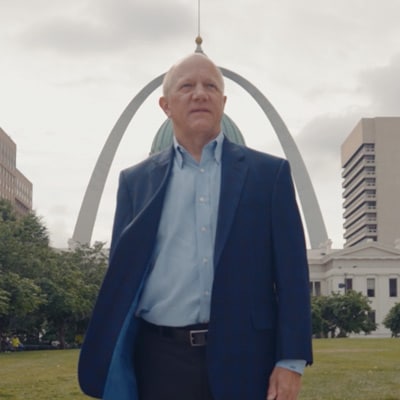
    Attorney Jim Onder in Downtown St. Louis in front of the courthouse
    Jim Onder
    Founder & Managing Partner

    Understanding the 3M Combat Arms Earplug Defect

    Service members trusted their issued equipment to protect them from battlefield noise exceeding 140 decibels. The CAEv2 earplugs failed that trust due to design flaws that 3M and Aearo Technologies allegedly knew about before selling millions of units to the Department of Defense.

    The Dual-Ended Design Flaw

    The CAEv2 featured a distinctive dual-ended design with olive and yellow sides offering different levels of noise attenuation, yet the stem connecting these ends measured too short to properly fit in most ear canals, creating a fundamental structural problem that compromised the device’s protective function. When service members inserted the earplugs according to standard military instructions, the flanges would imperceptibly fold back and break the acoustic seal necessary for hearing protection, allowing dangerous sound levels to penetrate while the earplug felt secure in the ear canal. This subtle loosening occurred without the wearer’s knowledge because the physical sensation suggested proper placement even as the device failed its primary protective purpose. Testing by Aearo Technologies in 2000 revealed that the Noise Reduction Rating fell below advertised levels when the earplugs were fitted using standard techniques, yet the company allegedly manipulated testing procedures to achieve passing scores for military contracts rather than addressing the underlying design problem. The nonlinear attenuation technology that 3M marketed as revolutionary for allowing speech while blocking harmful impulse noise failed precisely when service members needed protection most during weapons fire and explosive events. Internal company documents later revealed through litigation showed that engineers recognized the fitting problems but chose to modify testing protocols rather than redesign the product or warn users about proper insertion techniques that differed from military training standards, according to Department of Justice investigation findings (2018).

    Military Distribution (2003-2015)

    The Department of Defense began purchasing CAEv2 earplugs through exclusive contracts with Aearo Technologies in 2003, making them standard issue equipment for deploying troops across all service branches during a period that would eventually span twelve years of continuous distribution. Following 3M’s acquisition of Aearo in 2008, the corporation continued supplying these defective earplugs to military personnel through 2015, coinciding with peak deployment periods for Operations Iraqi Freedom and Enduring Freedom when over 2 million service members received these devices according to DOJ investigation findings (2018). Fort Leonard Wood in Missouri served as one of many training installations where recruits first received CAEv2 earplugs during basic combat training, establishing usage patterns that followed soldiers throughout their military careers and creating a direct connection between Missouri’s military community and this litigation.

    Widespread Impact

    Distribution extended beyond combat zones to include stateside training facilities, National Guard armories, and reserve centers where weekend warriors conducted weapons qualifications and artillery exercises, making the defective earplugs ubiquitous across all components of military service. The earplugs became so standard that many veterans recall them as the only hearing protection available during deployments to forward operating bases in Iraq and Afghanistan, where daily exposure to IED blasts, mortar attacks, and convoy operations created constant acoustic trauma risks that the defective equipment failed to mitigate. The widespread distribution through official military supply chains meant that service members had no alternative protective equipment and no reason to question the effectiveness of government-issued safety gear, creating a situation where trust in military procurement processes may have contributed to preventable hearing injuries.

    OnderLaw Recent Case Results

    Our greatest results have been the relationships we’ve forged with clients we’ve helped and the lives they’ve achieved after horrific accidents with the settlements our work brought about.

    Every case is different and handled differently, but we are proud of what we have accomplished on behalf of previous clients. From multi-billion dollar mass tort settlements to individual personal injury verdicts, we fight for every penny of compensation our clients deserve.

    Past results do not guarantee future outcomes, every case is different*

    Recent victories creating lasting change across Missouri

    Qualifying Injuries from 3M Earplugs

    Veterans experiencing hearing problems after military service often assume their injuries are simply the cost of defending their country, but those who used CAEv2 earplugs may have suffered preventable damage due to corporate negligence that warrants legal compensation. The connection between defective hearing protection and specific injury patterns helps establish causation in legal claims, particularly when medical documentation shows bilateral damage consistent with noise exposure during military service rather than age-related hearing decline.

    Hearing Loss

    Qualifying hearing loss for claims requires audiometric testing that demonstrates measurable threshold shifts compared to baseline hearing tests conducted during military service, with most successful claims showing losses of 25 decibels or greater in frequencies critical for speech comprehension between 500 and 8000 hertz. Military audiograms from entrance and separation physicals provide crucial comparison points, while current testing by audiologists or ENT specialists establishes the extent of permanent damage across the frequency spectrum, creating a documented progression that supports causation arguments. The characteristic “noise notch” pattern at 3000-6000 hertz frequencies strongly indicates noise-induced hearing loss rather than age-related presbycusis, supporting the connection to military acoustic trauma. Documentation should include detailed noise exposure history from your military occupational specialty, whether you served as infantry exposed to small arms fire, artillery crew members handling howitzers, or aviation personnel working near jet engines producing sounds exceeding 150 decibels during routine operations. Speech discrimination scores below 94% indicate functional impairment beyond pure tone thresholds, demonstrating how hearing loss affects daily communication and employment capabilities even with hearing aids.

    Tinnitus

    Tinnitus affects over 2.3 million veterans receiving VA compensation according to VA Research Office data (FY2020), making it the most common service-connected disability despite being subjective and impossible to measure through standard audiometric testing that captures threshold shifts. The persistent ringing, buzzing, or roaring sounds that characterize tinnitus often prove more debilitating than measurable hearing loss because they interfere with sleep, concentration, and emotional wellbeing around the clock, creating quality-of-life impacts that extend far beyond the auditory system itself. Veterans describe their tinnitus using standardized severity scales that rate the condition’s impact on daily activities, with many reporting that phantom sounds worsen during quiet periods when external noise no longer masks the internal cacophony, making nighttime particularly difficult for sleep and recovery.

    Secondary Conditions

    Secondary conditions stemming from hearing damage include depression, anxiety, social isolation, and cognitive difficulties that compound the primary injury’s impact on quality of life in ways that may qualify for additional compensation beyond the auditory injury itself. Sleep disruption from severe tinnitus creates cascading health effects including chronic fatigue, irritability, and decreased work performance that may be documented through mental health records and employment histories. Balance problems and vertigo sometimes accompany inner ear damage from acoustic trauma, particularly in veterans exposed to blast waves from IEDs or artillery fire that created both percussive and noise injuries simultaneously, affecting the vestibular system alongside hearing structures. Documentation from mental health providers, sleep specialists, and neurologists helps establish the full scope of harm caused by defective hearing protection.

    Led by Attorneys Who Believe in Causes,
    Not Just Cases

    Our Personal Injury Attorneys have decades of experience transforming personal tragedies into wins for our clients.

    The $6 Billion 3M Settlement Structure

    The $6.01 billion settlement announced in August 2023 represents one of the largest product liability resolutions in U.S. history according to AP News (2023), though it covers only a fraction of the over 250,000 claims filed in the multidistrict litigation according to MDL registries (2023). Understanding how this settlement operates, who may qualify for participation, and what compensation levels apply to different injury severities helps veterans make informed decisions about accepting the global resolution or pursuing individual litigation options that preserve trial rights.

    Settlement Tiers & Point System

    The settlement divides claimants into multiple tiers based on injury severity, with point values assigned for specific diagnoses, disability ratings, and documented impacts on daily living. Higher point allocations apply to veterans with bilateral profound hearing loss requiring cochlear implants or those whose tinnitus severity scores indicate catastrophic impairment. The expedited payment program offers faster resolution with predetermined amounts, whereas the extraordinary injury program provides enhanced review for cases involving total deafness or severe vestibular dysfunction. Point calculations incorporate factors including age at injury onset, years of documented earplug use, combat deployment history, and pre-existing conditions. Veterans with VA disability ratings of 50% or higher for hearing loss and tinnitus combined typically qualify for upper settlement tiers. The settlement agreement requires 98% participation from registered claimants to become effective according to court filings (2023).

    Payment Timeline & Distribution

    Settlement payments commenced in January 2024 according to 3M’s press release (2024), with distributions scheduled to continue through 2029 as the company funds the settlement through a combination of insurance proceeds and operational cash flow. The payment schedule follows a first-in-first-out ranking system that prioritizes claimants who registered earliest in the MDL process, though expedited payments for elderly or seriously ill veterans may jump the queue based on exceptional circumstances. Initial distributions focus on clearing smaller claims to reduce administrative burden, while larger awards undergo additional review to verify documentation and calculate precise point allocations.

    Lien Resolution & Tax Implications

    Lien resolution represents a critical component of the distribution timeline because Medicare, Medicaid, VA healthcare, and private insurers may claim reimbursement for hearing-related treatment they previously covered, potentially reducing net recovery by substantial amounts. The settlement administrator coordinates with lien resolution specialists to negotiate reductions that maximize veterans’ net recovery. Missouri residents face specific tax implications for settlement proceeds, as the state generally exempts personal physical injury compensation from income tax but may treat punitive damage portions differently under current Missouri Department of Revenue guidance, making consultation with tax professionals advisable.

    Settlement Tiers & Point System

    The settlement divides claimants into multiple tiers based on injury severity, with point values assigned for specific diagnoses, disability ratings, and documented impacts on daily living. Higher point allocations apply to veterans with bilateral profound hearing loss requiring cochlear implants or those whose tinnitus severity scores indicate catastrophic impairment. The expedited payment program offers faster resolution with predetermined amounts, whereas the extraordinary injury program provides enhanced review for cases involving total deafness or severe vestibular dysfunction. Point calculations incorporate factors including age at injury onset, years of documented earplug use, combat deployment history, and pre-existing conditions. Veterans with VA disability ratings of 50% or higher for hearing loss and tinnitus combined typically qualify for upper settlement tiers. The settlement agreement requires 98% participation from registered claimants to become effective according to court filings (2023).

    Payment Timeline & Distribution

    Settlement payments commenced in January 2024 according to 3M’s press release (2024), with distributions scheduled to continue through 2029 as the company funds the settlement through a combination of insurance proceeds and operational cash flow. The payment schedule follows a first-in-first-out ranking system that prioritizes claimants who registered earliest in the MDL process, though expedited payments for elderly or seriously ill veterans may jump the queue based on exceptional circumstances. Initial distributions focus on clearing smaller claims to reduce administrative burden, while larger awards undergo additional review to verify documentation and calculate precise point allocations.

    Lien Resolution & Tax Implications

    Lien resolution represents a critical component of the distribution timeline because Medicare, Medicaid, VA healthcare, and private insurers may claim reimbursement for hearing-related treatment they previously covered, potentially reducing net recovery by substantial amounts. The settlement administrator coordinates with lien resolution specialists to negotiate reductions that maximize veterans’ net recovery. Missouri residents face specific tax implications for settlement proceeds, as the state generally exempts personal physical injury compensation from income tax but may treat punitive damage portions differently under current Missouri Department of Revenue guidance, making consultation with tax professionals advisable.

    Military Service Documentation for Your Claim

    Proving military noise exposure and earplug usage requires specific documentation that connects your service history to acoustic trauma risks, making proper record collection essential for successful claims whether you’re pursuing settlement participation or individual litigation. Veterans often struggle to obtain complete service records years or decades after discharge, but multiple resources exist to help reconstruct your military history and establish the nexus between defective hearing protection and current disabilities.

    DD-214 and Service Records

    Your DD Form 214 provides the foundational proof of military service dates, deployment locations, and military occupational specialty codes that establish presumptive noise exposure for certain positions like 11B infantry, 13B cannon crewmember, or 15T Black Hawk mechanic whose duties inherently involved high-decibel environments. The form’s Block 13 lists decorations and awards that may indicate combat service, such as the Combat Action Badge or Iraq Campaign Medal, which support claims of battlefield noise exposure beyond routine training exercises conducted in controlled environments. Veterans missing their DD-214 can request replacement copies through the National Archives’ eVetRecs system or visit the National Personnel Records Center in St. Louis for expedited service, though fire-related losses from the 1973 records center blaze may require reconstructing service history through alternate documentation including unit rosters and pay records. Service treatment records documenting hearing tests, ear infections, or complaints about tinnitus during active duty provide contemporaneous evidence that hearing problems began during military service rather than developing years later from civilian noise exposure or age-related decline. Unit deployment records, after-action reports, and buddy statements from fellow service members can establish specific noise exposure incidents when official records lack detail about your daily duties or combat experiences that created acoustic trauma. The VA’s C-file (claims file) often contains valuable service records that veterans don’t possess personally, including entrance and exit audiograms, deployment health assessments, and post-deployment health reassessments that tracked hearing changes over time and documented concerns raised during military service. Personnel records showing awards of hazardous duty pay, combat pay, or imminent danger pay further corroborate exposure to combat conditions where weapon noise and explosions occurred regularly without adequate hearing protection, strengthening the causal connection between military service and current hearing disabilities.

    Combat Zone and Training Exposure Evidence

    Combat deployment orders to Iraq, Afghanistan, or other operational theaters between 2003 and 2015 establish presumptive exposure to impulse noise from weapons, vehicles, and explosive devices that routinely exceeded 140 decibels during firefights and IED attacks. Training records from military installations document participation in live-fire exercises, artillery qualifications, and explosive ordnance disposal training where CAEv2 earplugs failed to provide adequate protection against repeated acoustic trauma that accumulated over months and years of service. Small arms qualification cards showing annual rifle and pistol training create patterns of cumulative exposure, particularly for combat arms specialties required to maintain proficiency with multiple weapon systems including the M249 Squad Automatic Weapon producing 160 decibels of impulse noise according to DOJ investigation findings (2018). Blast exposure documentation gains particular importance for veterans who survived IED attacks, mortar strikes, or rocket-propelled grenade impacts that created both primary blast overpressure injuries and secondary acoustic trauma affecting the inner ear structures. Military occupational exposure reports compiled by industrial hygienists measured noise levels for specific job positions, with flight line personnel exposed to F-16 engines at 150 decibels and artillery crews experiencing 183-decibel peaks from M777 howitzers according to DOJ investigation findings (2018), creating documented exposure levels that far exceeded the protective capacity of properly functioning hearing protection. Combat action reports describing specific engagements provide temporal markers for when acute acoustic trauma likely occurred, such as sustained firefights in Sadr City or clearing operations in Ramadi where urban warfare amplified weapon noise through confined spaces that created reverberation effects. Veterans can supplement official records with personal photographs showing CAEv2 earplug use during deployments, unit newsletters describing training exercises, or social media posts from battle buddies that corroborate specific noise exposure events during military service, building a comprehensive evidentiary picture even when official documentation contains gaps.

    Proving military noise exposure and earplug usage requires specific documentation that connects your service history to acoustic trauma risks, making proper record collection essential for successful claims whether you’re pursuing settlement participation or individual litigation. Veterans often struggle to obtain complete service records years or decades after discharge, but multiple resources exist to help reconstruct your military history and establish the nexus between defective hearing protection and current disabilities.

    Coordinating VA Benefits with Your 3M Lawsuit

    Veterans receiving VA disability compensation for hearing loss or tinnitus often worry that pursuing a civil lawsuit might jeopardize their benefits or create offset obligations that reduce their overall recovery from both sources. Understanding how civil litigation interacts with VA benefits helps you make informed decisions about seeking additional compensation while protecting the healthcare and disability payments you’ve earned through military service and the VA claims process.

    VA disability ratings for hearing loss and tinnitus operate independently from civil lawsuit damages, meaning you may be able to receive both VA compensation and settlement funds without offset requirements under current federal law that treats these as separate entitlements. The VA uses specific rating criteria that assign 0% to 100% disability ratings for hearing loss based on pure tone threshold averages and speech discrimination scores, with most veterans receiving 10% to 30% ratings for bilateral hearing loss according to VA Research Office data (FY2020). Tinnitus carries a maximum 10% rating regardless of severity because the VA rating schedule hasn’t been updated to reflect modern understanding of how debilitating severe tinnitus can become, making civil litigation particularly important for veterans whose tinnitus significantly impairs their daily functioning beyond what VA compensation addresses through its standardized rating system.

    Your existing VA rating provides valuable evidence for your civil claim by establishing service connection and disability severity through government medical examinations, though civil claims can seek damages beyond what the VA rating system contemplates including pain and suffering and lost earning capacity. The VA’s duty to assist means they’ve already gathered service records, conducted C&P examinations, and issued rating decisions that document your hearing injuries with official findings that carry weight in civil litigation as government acknowledgment of service-connected disability. Concurrent receipt rules allow you to keep your full VA disability payments while also recovering civil damages because the Feres doctrine doesn’t bar claims against private contractors who supplied defective equipment to the military, distinguishing these lawsuits from direct claims against the government that would face sovereign immunity barriers under established Supreme Court precedent.

    Accepting a settlement does not affect your VA disability rating, healthcare eligibility, or other earned benefits because civil settlements compensate for corporate wrongdoing rather than replacing government obligations to injured veterans under Title 38. The VA cannot reduce your disability compensation based on private lawsuit recoveries, nor can they deny future medical treatment for service-connected conditions regardless of whether you’ve received settlement funds from 3M or other responsible parties in civil litigation. Healthcare continuation through VA medical centers remains unaffected by civil settlements, ensuring you maintain access to audiology services, hearing aids, and tinnitus management programs that provide ongoing treatment for service-connected conditions throughout your lifetime. John Cochran VA Medical Center in St. Louis continues providing specialized hearing loss treatment regardless of any compensation you receive from 3M, with no copayment requirements for service-connected care even after settlement. Appeal rights for increased VA ratings remain intact after accepting settlement funds, allowing you to seek higher disability ratings if your hearing worsens over time or if the VA updates rating criteria to better reflect tinnitus severity in future regulatory changes.


    Making Your Settlement Decision

    The choice between accepting the global settlement or pursuing individual litigation requires careful consideration of multiple factors including your injury severity, financial needs, risk tolerance, and timeline for resolution that may extend years into the future. Veterans face a critical decision point that affects not only their potential compensation but also their ability to hold 3M accountable for allegedly concealing known defects while profiting from military contracts worth millions of dollars over more than a decade.

    1. Evaluate Opt-In vs Opt-Out Considerations

      Participating in the global settlement provides certainty of recovery with defined payment timelines, though individual awards may fall below what sympathetic juries might award in trials where veterans testify about permanent hearing damage affecting every aspect of their lives from family relationships to employment prospects. The settlement’s 98% participation requirement means that too many opt-outs could void the entire agreement according to settlement terms (2023), creating pressure to join even if you believe your case may merit higher compensation through individual litigation. Opting in means accepting predetermined point values and tier placements without trial rights, but it also eliminates litigation risks including potential defense verdicts, years of appeals, and mounting legal costs that could consume much of any eventual recovery even in successful cases. Individual lawsuits preserve your right to present evidence directly to juries who may award substantial punitive damages to punish 3M’s alleged concealment of safety testing failures, though Missouri’s punitive damage cap under RSMo §510.265 (enacted 2020) limits recovery to the greater of $500,000 or five times compensatory damages in most cases. The bellwether trial results showed mixed outcomes with both significant plaintiff victories and defense verdicts, illustrating the uncertainty inherent in taking any individual case to trial regardless of its apparent strength or the severity of documented injuries. Timeline considerations favor settlement participation for veterans needing immediate financial relief, as individual trials could extend through 2027 or beyond with appeals potentially adding years before final resolution.

    2. Work with Your Legal Team

      Effective communication with your attorneys ensures they understand your priorities, whether that means maximizing compensation, achieving faster resolution, or maintaining trial rights to hold 3M publicly accountable for alleged wrongdoing that affected hundreds of thousands of service members. Your legal team should explain your specific point calculation, projected settlement tier, and estimated payment range based on similar claims, providing transparency about how the settlement formula applies to your documented injuries and service history rather than offering unrealistic expectations. Document submission requires careful attention to deadlines and completeness, as missing records or late filings can result in reduced point allocations or claim rejection despite valid injuries and clear earplug exposure during the relevant time period. Your attorneys coordinate with medical providers, VA representatives, and records custodians to gather comprehensive documentation supporting your claim, though your active participation in identifying relevant records and treatment providers strengthens the evidentiary foundation by ensuring nothing important gets overlooked. OnderLaw’s St. Louis office provides local coordination for Missouri veterans navigating the settlement process, with attorneys experienced in both mass tort litigation and military service-connected injury claims who understand the unique challenges veterans face when seeking compensation.

    Current Status and Future Developments

    The litigation continues evolving as settlement distributions proceed and remaining individual cases work through the court system, creating a dynamic legal landscape that affects veterans’ options and potential recoveries in ways that may shift over coming months and years. Payment distributions that began in January 2024 according to 3M’s announcement provide real-world data about actual compensation levels, while pending appeals and insurance coverage disputes may affect the settlement’s long-term viability.

    As of late 2024, the settlement administrator has processed thousands of initial claims with payments ranging from modest amounts for mild hearing loss to substantial awards for veterans with profound bilateral deafness and severe tinnitus that prevents employment and normal daily activities. The distribution process revealed challenges in lien resolution and documentation verification that slowed payments for some claimants, though the administrator implemented streamlined procedures to accelerate future distributions through 2029 when the final payments are scheduled. Participation rates exceeded the 98% threshold required for settlement effectiveness, validating the global resolution despite criticism from some veterans’ advocates who argued that individual awards fell short of fair compensation for permanent disabilities that affect every aspect of daily life.

    Insurance coverage litigation between 3M and its carriers continues in parallel proceedings that could affect the company’s ability to fund remaining settlement payments, though 3M maintains sufficient resources to honor its obligations regardless of insurance recovery outcomes according to financial analysts. The MDL court retains jurisdiction over settlement implementation to resolve disputes about point calculations, tier assignments, and eligibility determinations that arise as claims processing continues and edge cases test the settlement framework’s boundaries. State court cases in Minnesota, where 3M is headquartered, and Missouri, where many veterans reside, proceed independently for opt-out plaintiffs pursuing individual claims outside the global settlement framework that may establish new precedents. Future developments may include supplemental settlement programs for veterans whose conditions worsen over time or who develop latent injuries not yet manifest, though no formal provisions currently exist for reopening resolved claims based on injury progression that occurs after settlement acceptance.

    What Our Clients Say

    I highly recommend Mr. Onder. He is an excellent attorney and addresses client issues and concerns in a fast and efficient manner, answers any questions we have, and keeps us informed about the progress of our case.

    Bill

    The firm was very willing to hear my problems and discuss with me even though I was not qualified for a case. Their staff spent about 30 minutes with me discussing records and diagnosis and I appreciate them trying to help me.

    Andy

    I was in a bad car accident where I was hit, and my car flipped and almost crushed and calling Jim Onder was the BEST DECISION I made to help me get what I deserved (it was the other cars fault and witnesses will say it also) for everything that I went through. Beside all my physical pain I was having a hard time dealing with things after the accident and the insurance company and I missed lots of work. I don't know how I would have dealt with it...

    Karly

    I have known Jim Onder and his team for a few years now. I have always been impressed by the way they take care of their clients. It's not always about the case, but the individual. I would recommend anyone seeking legal counsel to give Jim and his team a call.

    John

    I don't have enough words to describe how amazing the experience with this firm was. They work very hard to make sure you have winning results. I could not have asked for better services. From the moment I first called until my case was over, I was at ease that I had made the right choice.

    Mike

    Local Resources for Veterans

    VA Medical Resources
    John Cochran VA Medical Center

    Provides specialized hearing loss treatment for veterans, including audiology services, hearing aids, and tinnitus management programs. No copayment requirements for service-connected care.

    National Personnel Records Center

    Located in St. Louis. Veterans can request replacement DD-214s through the eVetRecs system or visit in person for expedited service.


    Frequently Asked Questions About 3M Earplug Claims

    How do I know if my earplugs were defective 3M Combat Arms?

    The defective earplugs were dual-ended with one olive green end and one yellow end, officially designated as Combat Arms Earplugs Version 2 (CAEv2), and were standard issue for military personnel from 2003 to 2015 across all service branches. If you served during this period and received government-issued earplugs during deployment or training, they were likely the defective 3M model that failed to maintain proper seal in the ear canal due to the stem length design flaw. Physical characteristics include a shorter stem than standard earplugs and symmetric design allowing reversal for different noise reduction settings, though visual identification alone cannot confirm whether you received the specific defective version without additional documentation. Service members in all branches received these earplugs, particularly those deploying to Iraq, Afghanistan, and other combat zones where hearing protection was mandatory for operations involving weapons, vehicles, and explosives that created dangerous noise levels. Your military supply records, unit equipment logs, or testimony from fellow service members can help establish CAEv2 usage even without physical evidence of the actual earplugs decades after service. Veterans who recall receiving dual-colored earplugs in small plastic cases with instruction cards showing two wearing positions almost certainly used the defective model during their service, making them potentially eligible for compensation.

    Can I file a claim if I'm already receiving VA disability for hearing loss?

    Yes, receiving VA disability compensation for hearing loss or tinnitus actually strengthens your civil claim because it provides official government recognition that you suffered service-connected hearing damage during military service, eliminating disputes about whether your injuries relate to military noise exposure. Your VA rating decision, C&P examination reports, and audiometric testing results serve as powerful evidence linking military noise exposure to permanent hearing injuries, eliminating disputes about causation that might otherwise complicate your civil claim against 3M. The VA compensation you receive will not be reduced or offset by any settlement, and accepting settlement funds cannot affect your disability rating or future VA healthcare eligibility under current federal law. Federal law protects veterans’ rights to pursue civil claims against contractors who supplied defective equipment while maintaining full VA benefits earned through military service, as these represent separate legal entitlements under different statutory frameworks. Your monthly VA compensation continues unchanged regardless of settlement participation, and you retain rights to seek rating increases if your hearing worsens over time or if the VA updates its rating criteria to better reflect tinnitus severity. The intersection of VA benefits and civil litigation works in veterans’ favor by providing both ongoing government support and potential one-time compensation for corporate negligence that caused preventable injuries, creating dual recovery streams that address different aspects of your service-connected disabilities.

    What's the average settlement amount for 3M earplug cases?

    Settlement amounts vary significantly based on injury severity, with the $6.01 billion global settlement covering approximately 25,000 to 30,000 claims according to court filings (2023), though individual payments depend on point calculations rather than simple averages that might mislead veterans about their likely recovery. Veterans with profound bilateral hearing loss and severe tinnitus may receive substantially more than those with mild threshold shifts, while factors like age at injury onset and combat deployment history affect tier placement within the settlement structure in ways that create wide variation. The settlement agreement prohibits disclosure of specific individual amounts, but attorneys can provide ranges based on similar cases with comparable injury profiles and documentation quality. Published reports suggest payments ranging from thousands to hundreds of thousands of dollars, though these figures represent the full spectrum from minimal impairment to catastrophic disability rather than typical recoveries that most veterans might expect. Your specific recovery depends on documented hearing loss severity, VA disability ratings, impact on employment, and quality of life factors that determine point allocations within the settlement matrix through a complex formula. Rather than focusing on averages that may not reflect your circumstances, work with your attorney to understand your likely tier placement and projected recovery range based on your individual medical evidence and service history, which provides more accurate expectations than industry-wide statistics.

    How long do I have to decide on the settlement offer?

    The settlement administrator provides specific deadlines for each registration wave, typically allowing 60 to 90 days from receipt of your settlement offer to make an informed decision about participation, though extensions may be available for exceptional circumstances like serious illness or deployment. Missing deadlines can result in automatic exclusion from the settlement with loss of guaranteed compensation, making timely decision-making critical even if you ultimately choose to opt out and pursue individual litigation that preserves trial rights. Your attorney should notify you immediately when your offer arrives and help you understand the timeline for response, including any intermediate deadlines for document submission or deficiency cures that could affect your point calculation. The decision period allows time to review your point calculation, understand payment terms, and consult with family members, financial advisors, and your legal team about whether settlement participation serves your best interests given your specific circumstances. Veterans facing immediate financial hardship may request expedited review for faster payment, though this might require accepting the initial offer without pursuing administrative appeals of point calculations that could increase your award. Consider your decision timeline in context of your personal circumstances, including health status, financial needs, and willingness to endure potentially years of additional litigation if you reject the settlement offer, as these factors should guide your choice more than abstract principles about settlement fairness.

    Will accepting a settlement affect my military retirement?

    No, accepting a settlement has no impact on military retirement pay, TRICARE eligibility, or any other earned military benefits because civil settlements compensate for corporate liability rather than government obligations to retired service members under separate statutory schemes. Your retirement pay continues unchanged regardless of settlement participation, and you maintain full access to military healthcare facilities, commissary privileges, and other retirement benefits earned through honorable service over your military career. The settlement specifically excludes any provisions that would require veterans to waive military benefits or alter their relationship with the Department of Defense, protecting these earned entitlements. Military retirement calculations remain based solely on your years of service and retirement system participation, without consideration of civil settlements or lawsuit outcomes that address private party liability for defective products supplied under government contracts. Veterans receiving both retirement pay and VA disability compensation through concurrent receipt programs maintain those benefits fully, as the settlement creates no offset obligations under federal law that would reduce either payment stream. Your status as a military retiree actually strengthens your claim by demonstrating long-term service that increased cumulative noise exposure and established clear patterns of government-issued equipment usage throughout your career, supporting higher point allocations within the settlement structure.

    What if I used earplugs but don't have my service records?

    Missing service records don’t prevent you from pursuing a claim, as alternative evidence sources can establish military service, noise exposure, and earplug usage even without complete official documentation from the National Archives or military personnel centers. The National Archives can attempt records reconstruction for veterans whose files were destroyed in the 1973 St. Louis fire, while buddy statements from fellow service members, unit histories, and deployment databases help establish your service timeline and duties when official records contain gaps. VA medical records often contain service information from previous claims or treatments, providing secondary sources when primary military records are unavailable due to fire damage or administrative losses. Your testimony about military service, combined with any available documentation like photographs, awards, or discharge paperwork, can support your claim even with incomplete records that might initially seem insurmountable. Military occupational specialty codes on any remaining documents establish presumptive noise exposure for certain positions, while deployment orders or hazardous duty pay records corroborate combat zone service where CAEv2 distribution was standard across all deploying units. Attorneys experienced in military records reconstruction can identify alternative evidence sources and work with military records experts to build compelling cases despite documentation gaps that might initially seem insurmountable, using creative approaches to establish service connection. The settlement process recognizes that many veterans lack complete records decades after service and provides alternative proof methods for establishing eligible claims through buddy statements, unit rosters, and other corroborating evidence that demonstrates your military service and noise exposure during the relevant time period.

    Why Choose OnderLaw for Your Sexual Abuse Case  

    With over $5 billion recovered in negotiated settlements for clients across all practice areas and a dedicated team that combines extensive legal experience with trauma-informed representation, OnderLaw brings both the resources and compassion necessary to handle these deeply personal cases effectively while prioritizing your healing and privacy throughout the process. Our approach goes beyond traditional legal representation to include connecting you with networks of expert witnesses, therapists, and support resources while maintaining the strictest confidentiality, because we understand that healing from sexual abuse requires comprehensive support that addresses both legal and personal needs. The trauma-informed approach we take recognizes that every survivor’s journey is different, which is why we tailor our representation to your specific needs, whether that means minimizing the number of times you need to tell your story, coordinating with your therapeutic team, or pursuing strategies that prioritize privacy over maximum publicity.

    $5B+
    In Negotiated Settlements
    $500M+
    In Jury Verdicts
    Attorney Jim Onder in Downtown St. Louis in front of the courthouse

    Get Started with Your 3M Earplug Claim Today

    Settlement deadlines and documentation requirements make timely action critical. Missing deadlines can result in automatic exclusion from the settlement with loss of guaranteed compensation.

    Our team offers free consultations with no upfront costs to help veterans understand their rights. Discuss your military service and hearing injuries with attorneys who have secured over $1 billion in negotiated settlements for injured clients nationwide.

    Legal Disclaimer: This article provides general information about 3M Combat Arms earplug litigation and does not constitute legal advice. Every case is unique, and outcomes depend on specific facts and circumstances. Settlement amounts vary based on individual injury severity and documentation. Consultation with a qualified attorney is necessary to evaluate your specific claim. OnderLaw offers free consultations with no upfront costs. Call (314) 408-6136 to discuss your case with experienced product liability attorneys.

    24/7
    Call Us Anytime
    $0
    Zero Upfront Costs

    Contact Our Attorneys Now

    Our free consultation helps you understand your rights and options.

      This site is protected by reCAPTCHA and the Google Privacy Policy and Terms of Service apply.